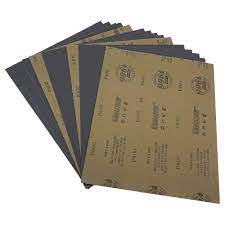
In the hardware and export sectors, selecting the right abrasive materials is critical for efficiency, cost-effectiveness, and project success. Sanding sheets, a staple in construction and woodworking, come in two primary types: dry and waterproof. Understanding their differences, applications, and benefits can significantly impact your workflow, product quality, and client satisfaction. This guide delves into the specifics to help you make an informed choice tailored to your needs.
Also read – Emery Cloth vs Sandpaper: Which Abrasive Is Best for Hardware Export and Construction?
What Are Dry Sanding Sheets?
Dry sanding sheets are abrasives designed for use without liquids. They typically feature aluminum oxide, silicon carbide, or other grit materials bonded to a paper or cloth backing. Ideal for general-purpose sanding on wood, metal, or drywall, they are cost-effective, easy to handle, and suitable for quick, coarse to medium finishing tasks. However, they generate dust, requiring proper ventilation or dust extraction systems to maintain a safe work environment.
What Are Waterproof Sanding Sheets?
Waterproof sanding sheets, often made with silicon carbide grit on a waterproof backing, are used with water or other lubricants to reduce friction and dust. Commonly employed for wet sanding on surfaces like automotive paints, fine woodworking, or metals, they provide a smoother finish, minimize clogging, and extend the sheet’s lifespan. While more expensive, they enhance precision and are essential for high-gloss or delicate applications.
Key Differences and Applications
Dry sheets excel in speed and affordability for rough work, while waterproof variants offer superior finish quality and dust control. In construction, dry sheets are preferred for initial shaping, whereas waterproof sheets are chosen for final touches. For hardware exporters, understanding these distinctions ensures recommending the right product for client projects, boosting reliability and repeat business.
Choosing the Right Option
Consider material type, desired finish, and workspace conditions. Dry sheets suit most wood and metal tasks with adequate dust management. Waterproof sheets are best for wet environments, fine finishes, or when dust is a concern. Always match grit coarseness to the job—coarser grits for material removal, finer for polishing.
For top-quality abrasives and tools, trusted suppliers like 3M offer a range of options suitable for various applications.
When sourcing materials, partnering with a reliable industrial equipment supplier is crucial. An industrial equipment supplier provides machinery, tools, and consumables like abrasives to the construction sector, ensuring projects have the necessary resources for efficiency and safety. Key criteria for choosing a supplier in Dubai include product quality, brand reputation, availability, technical support, and compliance with local standards.
For exceptional quality and service, consider AL MIFTHAAH BUILDING & CONSTRUCTION MATERIALS TRADING CO LLC. They specialize in high-quality abrasives, drilling tools, machine tools accessories, and milling tools from trusted brands, ensuring durability and performance for all your construction needs. Their expertise makes them a go-to supplier for professionals in Dubai and beyond.
With a commitment to excellence, AL MIFTHAAH offers a wide inventory that meets rigorous industry standards, helping you achieve flawless results in every project. Their focus on customer satisfaction and reliable products makes them a preferred partner for hardware and construction businesses.
Explore their offerings at https://almifthaahbacmtrading.com/ to find the perfect tools for your requirements.