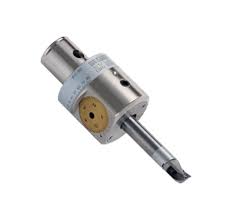
Are you tired of inconsistent hole sizes that compromise structural integrity and lead to costly rework in your construction projects? Precision is non-negotiable in the fast-paced UAE construction landscape, where timelines are tight and quality standards are high. Inaccurate hole enlargement can cause misalignments, weaken joints, and even result in safety hazards—issues no hardware shopkeeper or contractor can afford.
The solution lies in mastering the setup of a boring head, a specialized tool designed for enlarging holes with exceptional accuracy. Whether you’re involved in hardware export or on-site construction, understanding this process can enhance efficiency, reduce material waste, and ensure compliance with industry standards. This guide will walk you through everything you need to know, from selection to execution.
Also read – Top Drill Chuck Arbor Suppliers in Dubai: Your Ultimate Hardware & Export Guide
Understanding the Boring Head: A Key Tool in Construction
A boring head is an attachment used primarily with milling machines or lathes to enlarge pre-drilled holes to precise diameters. It’s indispensable in applications where standard drills fall short, such as creating large-diameter holes with tight tolerances. In the UAE, where projects range from skyscrapers to infrastructure, this tool ensures components fit perfectly, supporting everything from steel frameworks to mechanical installations.
How It Is Made: From Raw Material to Finished Product
Raw Material(s): Boring heads are typically manufactured from high-strength alloy steels, such as chromium-molybdenum (Cr-Mo) alloys, or sometimes carbide for cutting edges. These materials are chosen for their durability, hardness, and resistance to wear and deformation under high stress.
Manufacturing Process: The production begins with forging or casting the main body to achieve a rough shape, followed by precision machining (including turning, milling, and drilling) to create the intricate features like adjustment mechanisms and tool holders. Heat treatment processes, such as quenching and tempering, are applied to enhance hardness and toughness. Cutting edges may be ground or coated with materials like titanium nitride for improved performance. Finally, assembly involves fitting components like screws and dial indicators, followed by calibration.
Key Properties Derived from Manufacturing: The heat treatment imparts high hardness (Key Material Property 1), ensuring the tool maintains sharpness and resists wear during operation. Precision machining provides dimensional accuracy (Key Material Property 2), critical for achieving tight tolerances in hole enlargement.
Quality Control: Manufacturers conduct rigorous checks, including dimensional verification using micrometers and CMMs, hardness testing to ensure proper heat treatment, visual inspections for surface defects, and performance tests to confirm smooth adjustment and alignment. Compliance with standards like ISO 9001 is common.
Essential Uses in the UAE Construction Landscape
Primary Application(s): In UAE construction, boring heads are vital for enlarging holes in structural steel, concrete formwork, and mechanical systems. They enable precise fitting of bolts, anchors, and pipes, which is crucial for projects like Burj Khalifa or Dubai Metro, where alignment and safety are paramount. They’re also used in manufacturing custom components for HVAC and plumbing systems, reducing installation time and improving reliability.
Step-by-Step Guide to Setting Up a Boring Head
1. Select the Right Boring Head: Choose a size and type suitable for your machine and hole requirements. For export-quality hardware, opt for brands known for precision, such as those available from reputable suppliers.
2. Mount Securely: Attach the boring head to your milling machine or lathe spindle, ensuring it is tightly fastened to avoid vibrations.
3. Insert and Secure the Cutting Tool: Use a sharp, appropriate cutter and secure it in the holder, checking for any play.
4. Set the Diameter: Adjust the boring head using the micrometer dial to the desired hole size. Make small increments for accuracy.
5. Test and Calibrate: Run a test cut on a scrap material, measure the hole, and fine-tune the settings as needed. Always prioritize safety by wearing protective gear.
6. Execute the Cut: Use proper speeds and feeds—refer to machine guidelines—and apply cutting fluid to reduce heat and extend tool life.
Common Mistakes to Avoid
Avoid using dull tools, which cause inaccuracies and damage. Never skip calibration tests, and ensure the workpiece is clamped securely to prevent movement. Overlooking maintenance can lead to premature wear, especially in Dubai’s dusty environment.
Why Choose AL MIFTHAAH BUILDING & CONSTRUCTION MATERIALS TRADING CO LLC
For hardware professionals and exporters in the UAE, partnering with a reliable supplier is key to success. AL MIFTHAAH BUILDING & CONSTRUCTION MATERIALS TRADING CO LLC stands out as a top choice for high-quality boring heads and related tools. They offer products from trusted brands, ensuring durability and precision that meet the demands of the construction sector.
Specializing in abrasives, drilling tools, machine tools accessories, and milling tools, AL MIFTHAAH provides a comprehensive range that supports accurate hole enlargement and other critical tasks. Their expertise and commitment to quality make them a go-to supplier for projects across the UAE, from commercial builds to industrial applications.
Visit their website at https://almifthaahbacmtrading.com/ to explore their catalog and learn how they can enhance your operations with reliable, export-ready hardware solutions.