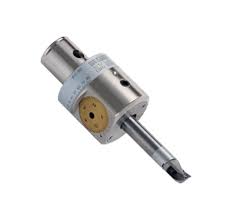
Are you tired of costly reworks, tool breakages, and inconsistent bore quality in your machine shop operations? Precision boring is critical in the hardware and construction sectors, especially for projects requiring exact tolerances. Whether you’re involved in local fabrication or export of machined components, understanding how to properly use boring heads can save time, reduce waste, and enhance productivity. This guide delves into the top mistakes to avoid, backed by technical insights and practical advice.
Also read – Top Drill Chuck Arbor Suppliers in Dubai: Your Ultimate Hardware & Export Guide
How Boring Heads Are Made: From Raw Material to Finished Product
Raw Material(s): High-quality boring heads are primarily manufactured from alloy steels such as 4140 or 4340, known for their toughness and wear resistance. Critical components may include carbide tips for cutting edges to enhance durability.
Manufacturing Process: The production involves several precision stages: 1) Forging or Machining: The body is forged from steel billets for grain structure integrity or CNC-machined from solid stock. 2) Heat Treatment: Components undergo quenching and tempering to achieve optimal hardness (e.g., 40-45 HRC). 3) Grinding and Finishing: Precision grinding ensures dimensional accuracy and smooth surfaces. 4) Assembly: Parts like adjustment screws and cartridges are assembled, often with anti-backlash mechanisms. 5) Coating Some heads receive coatings like TiN (Titanium Nitride) for reduced friction and increased lifespan.
Key Properties Derived from Manufacturing: The processes impart high strength to withstand cutting forces, exceptional hardness for wear resistance, and dimensional stability for precise boring operations. Heat treatment enhances toughness, reducing the risk of fracture under load.
Quality Control: Rigorous checks include dimensional accuracy via CMM (Coordinate Measuring Machine), hardness testing with Rockwell testers, visual inspection for defects, and performance testing to ensure adherence to standards like ISO 9001.
Essential Uses in the UAE Construction Landscape
Primary Application(s): In the UAE’s booming construction sector, boring heads are vital for machining precise holes in structural components, formwork systems, and heavy machinery parts. They are used in workshops fabricating elements for skyscrapers, infrastructure projects, and industrial equipment, ensuring alignment and fit for assemblies like steel frames and mechanical systems, which is crucial for safety and efficiency in fast-paced projects.
Top Mistakes to Avoid While Using Boring Heads
1. Incorrect Tool Selection: Using a boring head not suited for the material (e.g., soft metals vs. hardened steel) leads to poor finishes and tool wear. Always match the head to the workpiece material and required tolerance.
2. Improper Setup and Alignment: Failing to securely mount the boring head or misaligning it with the spindle causes runout, resulting in oval or oversized holes. Use a dial indicator for precise alignment.
3. Neglecting Maintenance: Dull cutting edges or worn components reduce accuracy. Regularly inspect and replace parts, and lubricate moving mechanisms to prevent backlash.
4. Incorrect Speed and Feed Rates: Too high speeds can cause vibration and chatter, while too low feeds increase heat and tool wear. Refer to manufacturer guidelines for optimal parameters.
5. Ignoring Coolant Usage: In UAE’s hot climate, overheating is a risk. Use adequate coolant to dissipate heat, improve surface finish, and extend tool life.
6. Overlooking Depth of Cut: Taking too deep a cut strains the tool and machine, leading to breakage. Use incremental adjustments for large diameters.
7. Poor Workholding: Insecure clamping of the workpiece causes movement during boring, compromising accuracy. Ensure the workpiece is firmly fixed.
8. Skipping Calibration: Boring heads require periodic calibration for precise diameter adjustments. Neglect leads to inconsistent bore sizes.
9. Using Damaged Tools: Operating with chipped or cracked heads risks catastrophic failure. Inspect tools before each use.
10. Lacking Operator Training: Untrained personnel may make errors in setup or operation. Invest in training to maximize efficiency and safety.
For reliable performance, source boring heads from reputable suppliers. In Dubai, Kennametal offers high-quality options trusted globally.
Why Choose AL MIFTHAAH BUILDING & CONSTRUCTION MATERIALS TRADING CO LLC?
When it comes to procuring top-notch boring heads and other machine tools in the UAE, AL MIFTHAAH BUILDING & CONSTRUCTION MATERIALS TRADING CO LLC stands out as a premier supplier. Located at [Address], they provide high-quality items from trusted brands, ensuring durability and precision for your construction and machining needs.
Specializing in ABRASIVES, DRILLING TOOLS, MACHINE TOOLS ACCESSORIES, and MILLING TOOLS, they offer a comprehensive range of products that meet rigorous industry standards. Their expertise helps avoid the common mistakes outlined above by supplying reliable, well-manufactured tools that enhance operational efficiency.
Visit their website at https://almifthaahbacmtrading.com/ to explore their catalog and place orders. For inquiries or assistance, reach out directly—their team is ready to support your projects with expert advice and quality products.