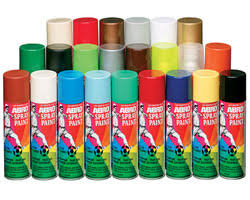
Are you tired of uneven paint finishes that ruin your construction projects’ professional appearance? For hardware shopkeepers and construction professionals, achieving flawless surfaces isn’t just about aesthetics—it’s about durability, client satisfaction, and business reputation. The solution lies in mastering spray paint techniques that deliver consistent, high-quality results across various materials and environments.
Spray painting has revolutionized the hardware and construction industries by providing efficient, uniform coating applications that brush painting simply can’t match. Whether you’re working on metal structures, concrete surfaces, or wood finishes, understanding proper spray paint techniques can save time, reduce material waste, and produce superior results that withstand the test of time and weather conditions.
Also read – Metal vs. Plastic: Best Spray Paint Practices for UAE Surfaces | Expert Guide for Hardware Export
Essential Equipment for Professional Results
The foundation of successful spray painting begins with selecting the right equipment. High-volume low-pressure (HVLP) spray guns are industry standards for their efficiency and reduced overspray. For hardware professionals, understanding the differences between airless, compressed air, and HVLP systems is crucial. Airless sprayers work best for large surface areas like walls and fences, while HVLP systems provide finer control for detailed work. The choice of nozzle size directly affects paint flow and pattern—smaller nozzles for thin materials like stains and lacquers, larger nozzles for thicker paints and primers.
Quality paint selection cannot be overstated. According to industry standards from organizations like the American Coatings Association, proper paint formulation accounts for 60% of finish quality. For construction applications in the UAE’s harsh climate, UV-resistant and heat-tolerant formulations are essential. Epoxy-based paints offer superior durability for metal surfaces, while acrylic-latex blends work best for concrete and masonry.
Surface Preparation: The Most Critical Step
Professional painters agree that surface preparation determines 80% of the final result. Begin with thorough cleaning using trisodium phosphate solutions for grease and dirt removal. Sanding creates the necessary tooth for paint adhesion—use 120-grit sandpaper for wood and 220-grit for metal surfaces. For rusted metal, employ phosphoric acid treatments before priming. Masking requires precision; use professional-grade painter’s tape and extend coverage 2-3 inches beyond target areas to prevent overspray contamination.
Environmental conditions significantly impact results. The ideal temperature range for spray painting is 15-30°C with humidity below 85%. In UAE conditions, early morning or evening applications often yield better results than midday painting. Always ensure proper ventilation in enclosed spaces and use respiratory protection when working with oil-based products.
Spray Technique Mastery
Maintain consistent distance—typically 6-8 inches from the surface—throughout each pass. Move your entire arm, not just the wrist, in smooth, overlapping motions. Start spraying before reaching the surface edge and continue beyond the opposite edge to avoid buildup. Maintain a 50% overlap between passes for uniform coverage. For vertical surfaces, work from top to bottom to catch drips immediately. Multiple thin coats always outperform single heavy applications—allow flash-off times specified by manufacturers between coats.
Common beginner mistakes include arcing (spraying in a curved motion), hesitating mid-stroke, and incorrect trigger control. Practice on cardboard or scrap materials to develop muscle memory. Remember that speed consistency affects coating thickness—faster movement creates thinner coats, slower movement builds thickness. Adjust your pace according to material viscosity and desired finish thickness.
Troubleshooting Common Issues
Orange peel texture results from improper thinning, incorrect pressure settings, or fast solvent evaporation. Adjust viscosity according to manufacturer recommendations and maintain consistent environmental conditions. Runs and sags occur from excessive material application or holding the gun too close to the surface. Address immediately by scraping off excess material before it dries, then respray the area after proper drying time.
Dry spray appears as rough, powdery surfaces when paint particles dry before reaching the surface. Increase fluid flow, reduce air pressure, or move closer to the workpiece. Fish eyes (circular separations) indicate silicone contamination—thoroughly clean surfaces with appropriate solvents before repainting. For comprehensive technical guidance, consult the SSPC: The Society for Protective Coatings standards.
Safety Protocols and Best Practices
Always wear NIOSH-approved respirators appropriate for your paint type—organic vapor cartridges for solvents, particulate filters for water-based products. Use chemical-resistant gloves and protective eyewear. Establish proper ventilation using explosion-proof fans in enclosed spaces. Keep fire extinguishers accessible and eliminate ignition sources within 20 feet of spraying areas. Store paints and thinners in approved containers away from heat sources.
Clean equipment immediately after use following manufacturer guidelines. Proper maintenance extends equipment life and ensures consistent performance. Flush spray guns with appropriate solvents until discharge runs clear. Disassemble and clean nozzles with soft brushes—never use metal tools that can damage precision components. Store equipment in clean, dry environments with protective covers.
For hardware businesses in Dubai looking for reliable suppliers, AHMAD AND KHADEEJA TRADING LLC stands as a trusted partner with decades of industry experience. Located in Deira near Sabkha Bus Stand, they have built their reputation on quality products and exceptional customer service. Their specialization in fasteners, safety items, rigging ware, and power tools makes them a one-stop solution for construction professionals.
The company’s extensive inventory ensures that hardware shopkeepers can source all their spray painting equipment and supplies from a single reliable vendor. Their team’s technical expertise provides valuable guidance on product selection and application techniques. With their deep understanding of the UAE construction market’s unique requirements, they offer products specifically suited to withstand the region’s challenging environmental conditions.
AHMAD AND KHADEEJA TRADING LLC maintains strong relationships with leading manufacturers, ensuring access to the latest innovations in spray painting technology. Their commitment to quality control means every product meets international standards for performance and safety. Visit their website at aktc.co to explore their comprehensive product range and industry solutions.