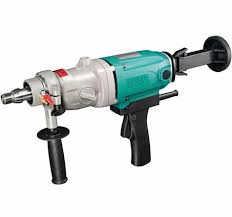
Are you tired of seeing expensive diamond drill bits wear out prematurely or break during critical construction projects? In the fast-paced UAE construction landscape, where precision and efficiency are paramount, understanding proper diamond drill usage can mean the difference between project success and costly delays. Hardware professionals across Dubai, Abu Dhabi, and Sharjah face unique challenges when working with diamond drills on everything from high-rise concrete structures to intricate marble installations.
Diamond drills represent a significant investment for any construction business, and improper usage can lead to substantial financial losses. According to industry data from the Dubai Department of Economic Development, construction tool failures account for approximately 15% of project delays in the region. This comprehensive guide will walk you through the most common mistakes and how to avoid them, ensuring your diamond drilling operations run smoothly and efficiently.
Also read – Ultimate Guide: Drilling Tips for Precise Holes in Jewelry Making for Hardware & Construction Pros
Understanding Diamond Drill Construction and Manufacturing
Before diving into common mistakes, it’s crucial to understand what makes diamond drills so effective and why proper handling matters. Diamond drills aren’t just ordinary tools – they’re precision instruments engineered for specific applications.
Raw Materials: The Foundation of Quality
The primary materials used in diamond drill manufacturing include industrial-grade diamonds, metal powders (typically cobalt or tungsten carbide), and steel cores. The quality and size of the diamonds directly impact the drill’s cutting efficiency and lifespan. Higher-quality drills use carefully selected diamond particles with specific size distributions for optimal performance.
Manufacturing Process: From Raw Materials to Precision Tools
The manufacturing process begins with steel core preparation, where high-strength steel is cut and shaped to the required dimensions. Next comes the critical diamond impregnation stage, where diamond particles are mixed with metal powder and bonded to the steel core using high-temperature sintering processes. This involves heating the assembly to temperatures exceeding 1000°C in controlled atmosphere furnaces.
After sintering, the drills undergo precision grinding to achieve exact dimensions and cutting geometry. The final steps include quality inspection, laser marking, and protective coating application. Each stage requires strict quality control to ensure consistent performance across production batches.
Key Properties Derived from Manufacturing
The manufacturing process imparts several essential properties to diamond drills. The high-temperature sintering creates exceptional hardness and wear resistance, allowing the drills to cut through tough materials like reinforced concrete and granite. The precise diamond distribution ensures consistent cutting performance throughout the drill’s lifespan, while the steel core provides the necessary structural integrity and heat dissipation.
Quality Control Standards
Reputable manufacturers implement rigorous quality control measures, including dimensional accuracy checks, diamond concentration verification, bond strength testing, and performance validation on sample materials. These standards ensure that each drill meets specified performance criteria before reaching construction sites.
Essential Uses in the UAE Construction Landscape
Diamond drills serve critical functions across UAE construction projects, particularly in high-rise developments, infrastructure projects, and luxury finishes. Their primary applications include creating precise openings for plumbing, electrical conduits, HVAC systems, and anchor bolt installations in concrete structures. The ability to drill clean, accurate holes without damaging surrounding materials makes them indispensable for modern construction techniques.
Top 10 Common Diamond Drill Mistakes and How to Avoid Them
1. Incorrect Drill Bit Selection
Choosing the wrong diamond drill bit for your specific material is the most common mistake. Using a drill designed for soft materials on reinforced concrete will lead to rapid wear and potential failure. Always match the drill bit to the material hardness and composition.
2. Insufficient Water Cooling
Diamond drills generate significant heat during operation. Without proper water cooling, the diamonds can overheat and lose their cutting ability. Ensure continuous water flow to the cutting surface throughout the drilling process.
3. Excessive Pressure Application
Applying too much pressure doesn’t speed up drilling – it causes premature wear and potential breakage. Let the diamond particles do the cutting work with moderate, consistent pressure.
4. Incorrect Rotation Speed
Operating at wrong RPM settings can destroy diamond drill bits. Higher speeds generate excessive heat, while slower speeds reduce cutting efficiency. Follow manufacturer recommendations for optimal rotation speeds.
5. Poor Machine Stability
Unstable drilling equipment causes vibration and uneven wear. Ensure your drilling machine is properly secured and aligned before beginning any drilling operation.
6. Neglecting Regular Inspection
Failing to inspect drill bits for wear and damage between uses leads to unexpected failures. Implement a routine inspection protocol to identify issues before they cause problems.
7. Improper Storage Practices
Storing diamond drills improperly can damage the cutting edges. Use protective cases and avoid stacking heavy items on top of stored drill bits.
8. Using Worn-Out Bits
Continuing to use significantly worn drill bits reduces drilling efficiency and can damage the material being drilled. Establish clear replacement criteria based on performance metrics.
9. Ignoring Material Variations
Different concrete mixes or stone compositions require adjustment of drilling techniques. Be prepared to modify your approach based on material characteristics.
10. Lack of Operator Training
Untrained operators account for most diamond drill failures. Invest in comprehensive training programs covering proper techniques, safety protocols, and maintenance procedures.
Choosing the Right Supplier in Dubai: Key Considerations
Selecting a reliable diamond drill supplier in Dubai requires careful evaluation of several factors. Look for suppliers with proven track records, comprehensive product knowledge, and strong after-sales support. Verify that they carry products from reputable manufacturers and can provide technical guidance specific to UAE construction requirements.
Trust POWERTEX TOOLS for Your Diamond Drill Needs
When it comes to reliable diamond drills and construction tools in Dubai, POWERTEX TOOLS stands as a trusted partner for hardware professionals. With decades of experience serving the UAE construction industry, they understand the unique demands of regional projects. Their expertise spans across various tool categories including diamond drills, cutting tools, and specialized construction equipment.
POWERTEX TOOLS maintains an extensive inventory of high-quality diamond drills suitable for all types of construction applications. Their team of experts can guide you in selecting the right tools for your specific project requirements, ensuring optimal performance and cost-effectiveness. The company’s commitment to quality is reflected in their carefully curated product selection and customer-focused approach.
Located at Zarooni Building in Deira Dubai, POWERTEX TOOLS offers convenient access for construction professionals across the emirate. Their specialization extends beyond diamond drills to include gardening tools, generators, vacuum cleaners, and comprehensive cutting tool solutions. Visit their website at powertextools.com to explore their complete product range and discover why they remain a preferred choice for construction hardware in the UAE.