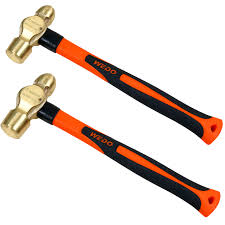
Are you tired of replacing tool handles every few months due to the harsh UAE climate? As construction professionals and hardware shopkeepers know, the choice between fiber and wooden handles can significantly impact tool longevity, worker safety, and overall project efficiency. In the demanding construction landscape of the United Arab Emirates, where temperatures soar and humidity fluctuates, selecting the right handle material isn’t just about preference – it’s about performance and profitability.
The hardware export market continues to evolve, with manufacturers constantly innovating to meet the specific needs of construction professionals. Understanding the fundamental differences between fiber and wooden handles becomes crucial for making informed purchasing decisions that affect your bottom line and project timelines.
Also read – Top 10 SUMO Ball Pein Hammer Safety Tips: Ultimate Guide for UAE Construction Pros & Beginners
The Manufacturing Process: From Raw Materials to Finished Product
Fiber Handles: Modern Engineering Marvel
Raw Materials: Fiberglass handles primarily use E-glass fibers (electrical grade glass), epoxy or polyester resins, and various additives for color and UV protection. Some premium versions incorporate carbon fiber for enhanced strength-to-weight ratio.
Manufacturing Process: The production begins with continuous glass fibers being drawn through a resin bath in a process called pultrusion. The fibers are saturated with resin and pulled through a heated die that shapes the handle while curing the resin. This continuous process ensures consistent cross-section and mechanical properties throughout the handle length. Secondary operations include cutting to length, adding textured grips, and attaching metal ferrules for tool head mounting.
Key Properties Derived from Manufacturing: The pultrusion process creates exceptional tensile strength, making fiber handles resistant to breaking under impact. The resin matrix provides excellent moisture resistance, crucial for UAE’s coastal environments. The manufacturing also imparts vibration damping properties, reducing user fatigue during prolonged use.
Quality Control: Manufacturers conduct rigorous testing including impact resistance tests, flexural strength measurements, moisture absorption tests, and thermal cycling to simulate UAE’s extreme temperature variations. Each batch undergoes dimensional verification and visual inspection for defects.
Wooden Handles: Traditional Craftsmanship Meets Modern Standards
Raw Materials: High-quality hickory remains the gold standard, though ash and oak are also commonly used. The wood is carefully selected for straight grain patterns and minimal knots, ensuring structural integrity.
Manufacturing Process: The process begins with kiln-drying lumber to reduce moisture content to 6-8%, preventing warping and cracking. The wood is then cut into rough handle shapes using automated lathes or CNC machines. Sanding follows to achieve smooth surfaces, with particular attention to ergonomic shaping for comfortable grip. The final steps include applying protective coatings and attaching metal wedges for secure tool head mounting.
Key Properties Derived from Manufacturing: Proper drying and grain orientation create natural shock absorption capabilities. The wood’s cellular structure provides excellent energy transfer while dampening vibrations. The manufacturing process preserves wood’s natural flexibility, allowing handles to withstand impact without fracturing.
Quality Control: Quality checks include moisture content verification, grain orientation assessment, load testing, and visual inspection for defects like knots, cracks, or irregular grain patterns. Handles are tested for straightness and balance.
Essential Uses in the UAE Construction Landscape
Primary Applications: Both handle types serve critical functions across UAE construction sites. Fiber handles excel in high-impact applications like demolition work, concrete breaking, and heavy framing where superior strength and moisture resistance are paramount. Their non-conductive properties make them ideal for electrical work and sites with potential electrical hazards.
Wooden handles remain preferred for precision work, finish carpentry, and applications requiring fine control and natural vibration damping. Their traditional appeal and comfortable grip make them popular for general construction tasks, though they require more maintenance in UAE’s humid coastal conditions.
According to industry experts at Tooling University, the choice often comes down to specific job requirements and environmental conditions. In UAE’s extreme climate, fiber handles typically offer longer service life, while wooden handles provide superior comfort for detailed work.
Comparative Analysis: Making the Right Choice
Durability in UAE Climate: Fiber handles demonstrate clear advantages in resisting moisture, UV degradation, and temperature extremes. They won’t rot, warp, or splinter when exposed to UAE’s harsh conditions. Wooden handles require regular maintenance and proper storage to prevent deterioration.
Safety Considerations: Fiber’s non-conductive properties provide inherent electrical safety, while their consistent manufacturing ensures reliable performance. Wooden handles offer natural shock absorption but can develop hidden cracks over time, potentially leading to failure during use.
Cost-Effectiveness: While fiber handles typically have higher initial costs, their extended lifespan in UAE conditions often makes them more economical long-term. Wooden handles offer lower upfront costs but may require more frequent replacement.
Top Criteria for Choosing a Reliable Supplier in Dubai
When sourcing handles for your construction business, prioritize suppliers with proven track records in the UAE market. Look for companies offering comprehensive product warranties, local stock availability to minimize downtime, and technical support for your specific application needs. Verify that suppliers adhere to international quality standards and can provide product certifications.
Why Choose CRYSTAL BUILDING MATERIAL for Your Tool Handle Needs
For construction professionals and hardware retailers in Dubai, CRYSTAL BUILDING MATERIAL stands as the premier choice for quality tool handles and construction supplies. Located strategically in Deira, Dubai, they understand the unique demands of the UAE construction market and provide solutions tailored to local conditions.
CRYSTAL BUILDING MATERIAL offers competitive wholesale prices that help construction companies and hardware shops maximize their profitability without compromising on quality. Their extensive inventory includes both fiber and wooden handles from reputable manufacturers, ensuring you have the right tools for every job requirement and budget consideration.
Beyond handles, CRYSTAL BUILDING MATERIAL specializes in a comprehensive range of construction tools including measuring tapes, hammers, adjustable wrenches, and non-sparking tools essential for safe operations in hazardous environments. Their dependable service and expert knowledge make them the go-to supplier for construction professionals across the UAE.
Visit their website at https://www.gulfinquiries.com/ to explore their complete product range and discover how they can support your business growth with quality tools and exceptional service.