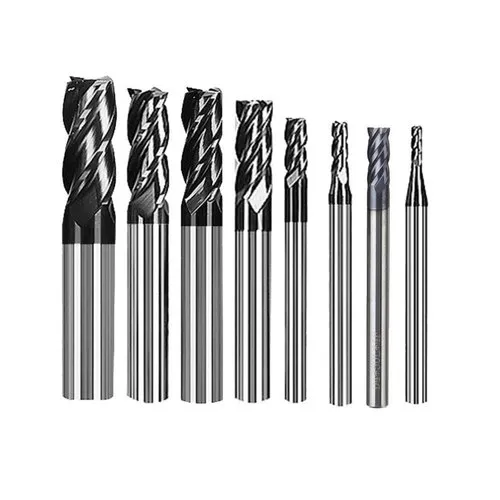
Are You Tired of Constantly Replacing Broken HSS Endmills on Your Construction Projects?
In the demanding UAE construction landscape, where projects move at lightning speed and margins are tight, hardware professionals and construction managers face a persistent challenge: premature HSS endmill failure. These essential cutting tools, crucial for precision milling operations, often break unexpectedly, causing project delays, increased costs, and frustration among your team. The intense heat, demanding materials, and rigorous timelines characteristic of UAE construction projects put extraordinary pressure on your equipment.
Understanding proper HSS endmill usage and prevention strategies isn’t just about saving money – it’s about maintaining project momentum and ensuring consistent quality in your metalworking operations. The solution lies in a comprehensive approach that combines knowledge of manufacturing processes, proper operational techniques, and sourcing from reliable suppliers who understand the unique demands of the UAE market.
Also read – Ultimate Guide: Drilling Tips for Precise Holes in Jewelry Making for Hardware & Construction Pros
How HSS Endmills Are Made: From Raw Material to Precision Tool
Raw Materials: The Foundation of Durability
High-Speed Steel (HSS) endmills begin with carefully selected raw materials that determine their performance characteristics. The primary materials include tungsten, molybdenum, chromium, vanadium, and cobalt alloys blended with high-carbon steel. These elements work synergistically to create tools capable of withstanding the extreme temperatures and pressures encountered during milling operations. The specific composition varies depending on the intended application, with higher cobalt content typically indicating better heat resistance for more demanding tasks.
Manufacturing Process: Precision Engineering at Every Stage
The transformation from raw material to finished HSS endmill involves several critical stages. It begins with melting the alloy components in electric arc furnaces at temperatures exceeding 1,500°C. The molten steel is then cast into ingots or continuously cast into billets. These are hot-rolled into bars of the required diameter before undergoing sophisticated machining processes including turning, milling, and grinding to create the precise flute geometry and cutting edges.
Heat treatment represents one of the most crucial stages, involving hardening through austenitizing at 1,200-1,300°C followed by rapid quenching in oil or salt baths. Multiple tempering cycles at 500-600°C follow to relieve internal stresses and optimize the microstructure. Finally, precision grinding using diamond wheels creates the exact cutting geometry and surface finish required for optimal performance.
Key Properties Derived from Manufacturing
The manufacturing process imparts several essential properties that determine endmill performance. Exceptional Hardness (HRC 62-67) comes from the precise heat treatment cycles, allowing the tools to maintain sharp cutting edges even under high temperatures. Superior Heat Resistance enables HSS endmills to operate effectively at temperatures up to 600°C without significant softening, a critical advantage in continuous milling operations common in UAE construction projects.
Enhanced Toughness prevents chipping and breaking during interrupted cuts or when machining difficult materials. The careful balance of alloying elements and heat treatment parameters ensures the tools can withstand the shock loads typical in construction applications. Wear Resistance extends tool life through optimized carbide distribution and surface treatments, reducing the frequency of tool changes and associated downtime.
Quality Control: Ensuring Consistent Performance
Reputable manufacturers implement rigorous quality control measures throughout the production process. Dimensional accuracy is verified using coordinate measuring machines (CMM) and optical comparators to ensure compliance with international standards like ISO 9001. Material composition is confirmed through spectroscopy, while hardness testing verifies proper heat treatment. Cutting performance is validated through practical testing on various materials, and visual inspection detects surface defects that could lead to premature failure.
Essential Uses in the UAE Construction Landscape
HSS endmills serve critical functions across the UAE construction sector, particularly in metal fabrication shops supporting major projects. Their primary applications include machining structural steel components for high-rise buildings, creating precise joints in aluminum framing systems for curtain walls, and fabricating custom metal fixtures and fittings. The versatility of HSS endmills makes them indispensable for producing the complex architectural elements that define Dubai’s and Abu Dhabi’s iconic skylines.
In the fabrication of MEP (Mechanical, Electrical, Plumbing) systems, HSS endmills are used to create precise cutouts in electrical panels, ventilation ducts, and plumbing fixtures. Their ability to machine various materials – from mild steel to stainless steel and aluminum – makes them particularly valuable in the diverse material environment of UAE construction projects. The growing emphasis on prefabricated construction components further increases the demand for reliable milling tools that can maintain precision across high-volume production runs.
Top 10 Strategies to Prevent HSS Endmill Breakage
1. Optimize Cutting Parameters: Match speed, feed rate, and depth of cut to the specific material being machined. In UAE’s climate, consider reducing speeds by 10-15% to compensate for higher ambient temperatures affecting tool life.
2. Implement Proper Cooling and Lubrication: Use appropriate cutting fluids to manage heat buildup, especially critical when working with stainless steel and other difficult-to-machine materials common in construction projects.
3. Select the Right Tool Geometry: Choose endmills with geometries suited to your specific application – variable helix designs for reduced vibration, corner radius endmills for increased strength, and appropriate flute counts for optimal chip evacuation.
4. Maintain Rigid Setup Conditions: Ensure workpieces are securely clamped and machining centers are properly maintained to minimize vibration, a primary cause of tool breakage in construction workshops.
5. Use Climb Milling When Possible: This technique reduces heat generation and extends tool life by ensuring the cutter teeth engage the material at their maximum thickness, then taper off.
6. Implement Progressive Cutting Strategies: Use multiple passes with decreasing depth of cut for roughing operations, followed by finishing passes with light engagement to preserve tool integrity.
7. Monitor Tool Wear Systematically: Establish regular inspection intervals and replace tools before they reach critical wear levels that predispose them to catastrophic failure.
8. Ensure Proper Tool Holding: Use high-quality collets and tool holders with minimal runout to prevent uneven loading and premature failure of cutting edges.
9. Address Chip Evacuation Issues: Implement effective chip removal strategies, as recutting chips significantly increases tool wear and breakage risk in the dusty environments common to UAE construction sites.
10. Source from Reputable Suppliers: Purchase HSS endmills from established suppliers who provide genuine products with consistent quality and proper material certifications.
Choosing Reliable HSS Endmill Suppliers in Dubai: Top Criteria
Selecting the right supplier for HSS endmills in the UAE market requires careful consideration of several factors. Prioritize suppliers with established track records in serving the construction industry, as they understand the specific challenges of local projects. Verify that they stock products from reputable manufacturers with proper certification and traceability. Consider their technical support capabilities – the best suppliers provide application engineering support to help optimize your milling processes.
Evaluate their inventory breadth and availability, ensuring they can supply the specific endmill types and sizes you need without significant delays. Check their after-sales support, including return policies for defective products and willingness to address performance issues. According to industry experts at Machinery Tools UAE, the most reliable suppliers maintain comprehensive technical documentation and provide training resources to help customers maximize tool performance.
Trusted Partner for Your Construction Tool Needs
When it comes to sourcing high-quality HSS endmills and other essential construction tools in the UAE, AL MIFTHAAH BUILDING & CONSTRUCTION MATERIALS TRADING CO LLC stands as a premier choice for hardware professionals and construction companies. Located in the heart of Dubai’s commercial district at Al Fahidi Bur Dubai, this established company has built its reputation on providing reliable, high-performance tools from trusted international brands.
The company specializes in a comprehensive range of construction and machining essentials, including premium ABRASIVES, precision DRILLING TOOLS, advanced MACHINE TOOLS ACCESSORIES, and high-performance MILLING TOOLS. Their extensive product portfolio ensures that construction professionals can source all their tooling requirements from a single, reliable supplier, streamlining procurement and ensuring compatibility across different tool systems.
What sets AL MIFTHAAH apart is their commitment to quality and customer support. They understand the demanding nature of UAE construction projects and stock tools specifically selected to perform under local conditions. Their technical team provides expert guidance on tool selection and application optimization, helping customers maximize tool life and prevent the breakage issues that plague many construction operations. Visit their website at https://almifthaahbacmtrading.com/ to explore their complete product range and technical resources.