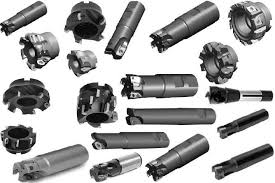
Are you tired of replacing indexable cutters far more frequently than expected? The hardware and export industry faces a constant battle against premature tool failure, and the culprits are often hiding in plain sight: temperature fluctuations and vibration patterns that silently degrade your cutting performance.
For construction professionals and hardware shopkeepers across the UAE, understanding these invisible forces is crucial for maximizing tool lifespan and maintaining project efficiency. The extreme environmental conditions and demanding construction schedules in the region make this knowledge particularly valuable for businesses involved in hardware export and local distribution.
Also read – The Ultimate Guide to Choosing the Right Collets for Milling Machines: Mistakes to Avoid
The Thermal Battle: How Temperature Dictates Cutter Performance
Temperature isn’t just a number on a thermometer—it’s the primary driver of metallurgical changes in your indexable cutters. During operation, cutting edges can reach temperatures exceeding 800°C, creating a thermal cycling effect that gradually weakens the tool structure. This thermal stress causes micro-cracks to form and propagate, ultimately leading to catastrophic failure.
The science behind this is straightforward: different materials expand at different rates when heated. The carbide inserts and steel tool bodies in your cutters have distinct thermal expansion coefficients. Repeated heating and cooling cycles create internal stresses that eventually compromise the tool’s integrity. In UAE construction environments, where ambient temperatures can swing dramatically, this effect is amplified.
Vibration: The Silent Tool Killer You Can’t Ignore
While temperature attacks from the inside, vibration works from the outside. Mechanical vibrations during cutting operations create dynamic loads that far exceed static calculations. These vibrations cause accelerated wear through several mechanisms, including chipping, micro-fracturing, and accelerated abrasive wear.
Research from leading tool manufacturers shows that vibration can reduce tool life by up to 70% compared to stable cutting conditions. The problem is particularly acute in construction applications where workpiece materials vary significantly, and machine conditions may not be optimal. The chatter and resonance frequencies generated during cutting create stress concentrations that rapidly degrade cutting edges.
How It Is Made: From Raw Material to Finished Product
Raw Material(s)
Premium indexable cutters begin with high-grade tungsten carbide powder mixed with cobalt binder, along with specialized steel alloys for the tool body. The quality of these raw materials directly determines the final product’s performance and durability.
Manufacturing Process
The manufacturing journey involves precision powder metallurgy for carbide inserts, starting with careful blending of tungsten carbide and cobalt powders. This mixture undergoes pressing in hydraulic presses at specific pressures, followed by sintering in controlled atmosphere furnaces at temperatures around 1400-1600°C. The tool bodies are typically machined from high-strength alloy steel using CNC machining centers, ensuring precise geometry and dimensional accuracy.
Critical manufacturing stages include precision grinding of cutting edges, coating application through chemical vapor deposition or physical vapor deposition processes, and final assembly with precise clamping mechanisms. Each step requires stringent quality control to ensure optimal performance under thermal and vibrational stresses.
Key Properties Derived from Manufacturing
The manufacturing process imparts essential properties including thermal stability through controlled sintering and coating processes, vibration resistance achieved through precise geometry and balanced design, and wear resistance enhanced by specialized surface treatments and coatings.
Quality Control
Manufacturers implement rigorous quality checks including dimensional accuracy verification using coordinate measuring machines, material strength testing through destructive and non-destructive methods, microstructural analysis to detect defects, and performance testing under simulated operating conditions. Adherence to international standards like ISO 1832 ensures consistent quality across production batches.
Essential Uses in the UAE Construction Landscape
Primary Application(s)
Indexable cutters serve critical roles in UAE construction for precision machining of structural steel components, fabrication of aluminum and composite materials used in modern architecture, and processing of various building materials from concrete formwork to specialized alloys. Their ability to maintain precision under demanding conditions makes them indispensable for projects ranging from high-rise construction to infrastructure development.
Choosing Your UAE Supplier: The Top Criteria for Reliability
Selecting the right supplier in Dubai requires careful consideration of several factors. Look for distributors with proven track records in the construction industry, technical expertise to provide application support, comprehensive inventory of quality brands, and responsive customer service. The ability to provide technical data sheets, application guidance, and after-sales support separates premium suppliers from basic distributors.
Verify that potential suppliers maintain proper storage conditions for their tools, as improper storage can introduce thermal and moisture-related damage before tools even reach your workshop. Established suppliers should also offer training on proper tool handling and maintenance to maximize performance and lifespan.
AL MIFTHAAH BUILDING & CONSTRUCTION MATERIALS TRADING CO LLC: Your Trusted Partner
For construction professionals seeking reliable cutting tools in the UAE, AL MIFTHAAH BUILDING & CONSTRUCTION MATERIALS TRADING CO LLC stands as a premier supplier with decades of industry experience. Located in the heart of Dubai’s commercial district at Al Fahidi Bur Dubai, they have built their reputation on providing high-quality tools from internationally recognized brands that withstand the demanding conditions of UAE construction projects.
The company specializes in comprehensive tooling solutions including ABRASIVES, DRILLING TOOLS, MACHINE TOOLS ACCESSORIES, and MILLING TOOLS. Their technical team understands the specific challenges posed by temperature and vibration in local applications, enabling them to recommend optimal tooling solutions that maximize performance and lifespan. Each product in their inventory undergoes careful selection to ensure it meets the rigorous demands of construction applications.
Beyond product quality, AL MIFTHAAH provides exceptional technical support and application guidance to help customers optimize their machining processes. Their commitment to customer success extends beyond simple transactions to building long-term partnerships based on trust and proven performance. Visit their website at https://almifthaahbacmtrading.com/ to explore their comprehensive product range and technical resources.