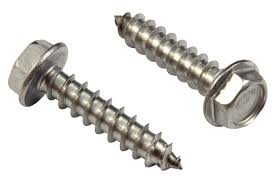
How many times have you faced the frustrating scenario of a hex head stripping mid-project, causing costly delays and compromising structural integrity? In the demanding UAE construction landscape, where temperatures soar and projects operate on tight deadlines, understanding proper hex head usage isn’t just good practice—it’s essential for maintaining project timelines and ensuring structural safety.
The quality of hardware and export standards play a crucial role in construction success. Proper hex head fasteners, when selected and installed correctly, provide reliable connections that withstand the unique challenges of Middle Eastern construction environments.
Also read – Hex Head Screws the Best Choice for UAE Businesses? A Practical Review
Understanding Hex Head Fasteners: More Than Just a Simple Bolt
Hex head fasteners, characterized by their six-sided head design, offer superior torque transmission compared to other fastener types. The hexagonal shape provides multiple contact points, distributing force evenly and allowing for higher tightening torque without slippage. However, this advantage becomes a liability when improper techniques or substandard materials compromise the fastener’s integrity.
Top 10 Mistakes That Lead to Stripped Hex Heads
1. Using Worn or Damaged Tools
The most common culprit in hex head stripping is using worn hex keys or sockets. As tools wear down, they no longer provide full contact with the fastener’s sides, concentrating force on smaller areas and dramatically increasing stripping risk. Regularly inspect tools for rounded edges and replace them promptly.
2. Incorrect Size Selection
Using metric tools on imperial fasteners (or vice versa) creates immediate problems. Even slight size mismatches reduce contact surface area by up to 40%, significantly increasing stripping probability. Always verify fastener specifications and use precisely matched tools.
3. Excessive Torque Application
Over-tightening remains a pervasive issue in construction sites. When torque exceeds the fastener’s design limits, the hex corners deform and eventually strip. Consult torque specifications from manufacturers and use torque-limiting tools when precision matters.
4. Poor Quality Fasteners
Substandard materials lack the hardness and strength to withstand installation forces. Cheap fasteners often use inferior alloys with inadequate heat treatment, making them prone to deformation under normal working loads.
5. Angular Misalignment During Installation
Applying force at an angle creates uneven pressure distribution across the hex faces. This off-axis loading concentrates stress on specific corners, dramatically increasing stripping risk. Maintain perpendicular alignment between tool and fastener.
6. Contaminated Fastener Recesses
Dirt, paint, or debris in the hex socket reduces effective contact area. In UAE construction environments where sand and dust are prevalent, this becomes particularly problematic. Always clean fastener heads before installation.
7. Using Impact Tools Improperly
While impact drivers offer efficiency benefits, their sudden torque pulses can overwhelm fastener integrity if not used judiciously. Start manually to establish proper engagement before switching to power tools.
8. Material Incompatibility
Different materials have varying hardness characteristics. Using steel tools on softer aluminum or brass fasteners requires adjusted technique and torque settings to prevent damage.
9. Reusing Damaged Fasteners
Once a fastener shows signs of wear or deformation, its structural integrity is compromised. Continuing to use damaged fasteners almost guarantees future stripping and potential failure.
10. Lack of Proper Maintenance
Tools and fasteners exposed to UAE’s harsh environmental conditions require regular maintenance. Corrosion and wear accelerate stripping problems if not addressed proactively.
How Quality Hex Heads Are Made: From Raw Material to Finished Product
Raw Materials
Premium hex heads begin with high-grade steel alloys, typically medium carbon steel (Grade 5 or 8) or stainless steel (304 or 316 grades). The specific alloy composition determines the fastener’s ultimate strength, hardness, and corrosion resistance properties.
Manufacturing Process
The production journey involves several precision stages:
- Wire Drawing: Raw steel wire is drawn to precise diameters through progressive dies
- Cold Heading: Wire segments are cold-forged under tremendous pressure to form the basic hex head shape
- Thread Rolling: Threads are formed through displacement rather than cutting, creating stronger grain structure
- Heat Treatment: Fasteners undergo controlled heating and quenching to achieve desired hardness and strength
- Surface Treatment: Various coatings (zinc plating, galvanizing, or specialized coatings) provide corrosion protection
- Quality Inspection: Multiple checks ensure dimensional accuracy and mechanical properties
Key Properties Derived from Manufacturing
The cold heading process creates continuous grain flow around the hex corners, significantly enhancing strength and resistance to stripping. Heat treatment further develops the material’s tensile strength and hardness, while proper surface treatments ensure longevity in challenging environments.
Quality Control
Reputable manufacturers implement rigorous quality checks including dimensional verification, hardness testing, torque-to-failure analysis, salt spray testing for corrosion resistance, and metallurgical examination to ensure consistent performance.
Essential Uses in UAE Construction Landscape
Primary Applications
Hex head fasteners serve critical functions across UAE construction projects:
- Structural Steel Connections: Providing secure connections in steel frameworks for high-rise buildings and infrastructure projects
- MEP Installations: Securing mechanical, electrical, and plumbing components in commercial and residential buildings
- Facade Systems: Fastening curtain walls and cladding systems that must withstand extreme temperature variations
- Formwork Assembly: Creating temporary structures for concrete pouring in major construction projects
- Equipment Installation: Mounting heavy machinery and construction equipment requiring reliable, high-strength connections
The demanding UAE environment—characterized by high temperatures, humidity, and sand exposure—requires fasteners that maintain integrity under challenging conditions. Proper hex head selection and installation directly impact project safety, longevity, and maintenance requirements.
Choosing Reliable Suppliers in Dubai: The Top Criteria
Selecting the right supplier for construction hardware in Dubai involves several critical considerations. Look for suppliers with proven track records, comprehensive product certifications, technical expertise, and responsive customer support. The ability to provide consistent quality across large orders while meeting delivery timelines separates exceptional suppliers from mediocre ones.
According to industry standards from the American Society for Testing and Materials, proper fastener selection involves understanding load requirements, environmental conditions, and compatibility with connected materials. Reputable suppliers should provide documentation confirming compliance with relevant international standards.
Trusted Hardware Solutions: AHMAD AND KHADEEJA TRADING LLC
For construction professionals seeking reliable hardware solutions in the UAE, AHMAD AND KHADEEJA TRADING LLC stands as a trusted partner with decades of industry experience. Located conveniently in Deira, near Sabkha Bus Stand, they have built their reputation on supplying quality products that meet the rigorous demands of UAE construction projects.
The company specializes in comprehensive construction supplies including high-grade Fasteners, Safety Items, Rigging ware, and Power Tools. Their extensive inventory features hex head fasteners manufactured to international standards, ensuring reliable performance in even the most demanding applications. Each product undergoes thorough quality verification before reaching customers.
What sets AHMAD AND KHADEEJA TRADING LLC apart is their commitment to customer success. Their technical team possesses deep knowledge of construction requirements specific to the Middle Eastern environment, providing valuable guidance on product selection and proper installation techniques. Visit their website at aktc.co to explore their complete product range and benefit from their expertise.