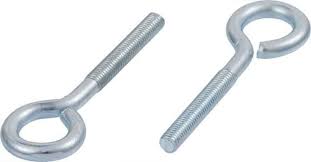
What if a single failed hook bolt could compromise your entire construction project’s safety? In the demanding hardware and export market, particularly in the UAE’s extreme climate conditions, hook bolt slippage isn’t just an inconvenience—it’s a critical safety hazard that can lead to catastrophic failures.
The hardware export industry faces constant challenges with fastener reliability, especially in construction applications where safety is paramount. Hook bolts, while seemingly simple components, play a crucial role in securing everything from structural elements to mechanical systems. Understanding how to prevent slippage requires deep knowledge of manufacturing processes, material science, and proper installation techniques.
Also read – Essential Hook Bolt Sizes for Hanging Pots on UAE Terraces: A Hardware & Export Guide
Understanding Hook Bolt Manufacturing: The Foundation of Reliability
To truly prevent hook bolt slippage, we must first understand how these critical components are manufactured. The journey from raw material to finished product determines the bolt’s ultimate performance characteristics.
Raw Materials: The Starting Point of Quality
High-quality hook bolts begin with premium raw materials. Most manufacturers use medium carbon steel (grades such as ASTM A307 or ISO 898-1) for general applications, while stainless steel (typically 304 or 316 grades) is preferred for corrosive environments common in coastal UAE regions. The material selection directly impacts the bolt’s strength, corrosion resistance, and overall durability.
Manufacturing Process: Precision Engineering at Work
The manufacturing journey involves several critical stages:
Wire Drawing: Raw steel rods are drawn through progressively smaller dies to achieve the required diameter, work-hardening the material in the process.
Cold Heading: The wire is cut to length and formed into the basic hook bolt shape using high-pressure dies. This cold working process enhances the material’s strength through strain hardening.
Thread Rolling: Threads are formed by pressing the bolt blank between two dies, creating superior thread strength compared to cut threads. This process aligns the grain structure with the thread profile, significantly improving fatigue resistance.
Heat Treatment: For higher-grade bolts, heat treatment through quenching and tempering develops the required mechanical properties. This process typically involves heating to 850-950°C, quenching in oil or water, and tempering at 400-600°C.
Surface Treatment: Various coatings are applied depending on the application. Galvanizing (hot-dip or electroplated), zinc plating, or mechanical galvanizing provide corrosion protection essential for UAE’s humid coastal environment.
Key Properties Derived from Manufacturing
The manufacturing process imparts several critical properties:
Tensile Strength: Cold heading and heat treatment develop high tensile strength, typically ranging from 400 MPa to 1000 MPa depending on the grade.
Ductility: Proper heat treatment ensures adequate ductility, allowing the bolt to deform slightly before failure, providing warning signs of overload.
Corrosion Resistance: Surface treatments and material selection determine the bolt’s ability to withstand UAE’s harsh environmental conditions, including high humidity and salt exposure.
Quality Control: Ensuring Consistent Performance
Reputable manufacturers implement rigorous quality control measures including dimensional verification, mechanical testing (tensile strength, hardness, proof load), surface inspection, and corrosion resistance testing. Compliance with international standards like ASTM, ISO, or DIN ensures consistent quality across batches.
Essential Uses in the UAE Construction Landscape
Hook bolts serve critical functions across UAE’s construction sector. Their primary applications include structural connections in steel frameworks, anchoring mechanical equipment, securing piping and conduit systems, and supporting suspended ceilings and lighting systems. The extreme temperature variations and high humidity levels in the region make proper bolt selection and installation particularly crucial.
Practical Strategies to Prevent Hook Bolt Slippage
Preventing hook bolt slippage requires a multi-faceted approach addressing selection, installation, and maintenance.
Proper Selection Criteria
Choose hook bolts with adequate load capacity for your specific application. Consider factors like static vs. dynamic loads, vibration exposure, and environmental conditions. For UAE construction, prioritize corrosion-resistant coatings and materials suitable for high-temperature environments.
Correct Installation Techniques
Follow manufacturer-recommended torque values using calibrated torque wrenches. Ensure proper surface preparation—clean, debris-free contact surfaces significantly improve grip. Use appropriate washers to distribute load and prevent embedding in softer materials.
Regular Inspection and Maintenance
Implement scheduled inspection protocols to check for signs of loosening, corrosion, or deformation. In high-vibration environments, consider using locking mechanisms like nylon insert lock nuts or prevailing torque nuts.
Choosing Reliable Suppliers in Dubai: The Ultimate Guide
Selecting the right supplier is crucial for ensuring hook bolt quality and reliability. Key criteria include:
Certification and Standards Compliance: Verify that suppliers provide products meeting international standards with proper certification documentation.
Technical Expertise: Choose suppliers with demonstrated knowledge of fastener applications and local construction requirements.
Quality Assurance Processes: Ensure suppliers have robust quality control systems and can provide material test certificates.
Local Market Experience: Prefer suppliers with extensive experience in UAE construction projects and understanding of local environmental challenges.
Trusted Hardware Solutions: AHMAD AND KHADEEJA TRADING LLC
For hardware professionals and construction companies seeking reliable fastener solutions, AHMAD AND KHADEEJA TRADING LLC stands as a trusted partner with decades of experience in the UAE market. Located conveniently in Deira, near Sabkha Bus Stand, they have built a reputation for quality and reliability that spans generations.
The company specializes in comprehensive hardware solutions including high-quality Fasteners, Safety Items, Rigging ware, and Power Tools. Their extensive product range ensures that construction professionals can source all their hardware needs from a single, reliable supplier. With deep understanding of UAE’s unique construction requirements and environmental challenges, they provide expert guidance on product selection and application.
AHMAD AND KHADEEJA TRADING LLC’s commitment to quality is evident in their carefully curated product portfolio and customer-focused approach. Their website at aktc.co provides easy access to their product offerings and technical resources, making them an ideal partner for both local projects and export requirements.