
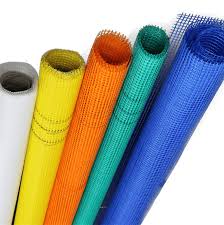
Are you tired of dealing with rusting reinforcement materials that compromise your construction projects’ integrity? In the competitive world of hardware export and construction materials, choosing the right reinforcement solution can make or break your project’s success. The UAE’s harsh climate demands materials that can withstand extreme temperatures, humidity, and environmental challenges.
Enter the revolutionary blue fiber mesh – a modern alternative to traditional steel mesh that’s transforming the construction landscape. As hardware professionals and construction experts seek more durable, cost-effective solutions, understanding the differences between these two materials becomes crucial for making informed purchasing decisions.
What Exactly Are We Comparing?
Traditional steel mesh, also known as welded wire mesh, has been the go-to reinforcement material for decades. Made from carbon steel wires welded together in square or rectangular grids, it provides structural strength to concrete slabs, walls, and pavements. However, blue fiber mesh represents the next generation of reinforcement technology.
Blue fiber mesh consists of synthetic polypropylene fibers specially engineered for concrete reinforcement. The distinctive blue color comes from UV-resistant additives that protect the material during storage and transportation. Unlike steel mesh, which relies on its grid structure, fiber mesh distributes millions of micro-fibers throughout the concrete matrix.
Manufacturing Process: From Raw Materials to Finished Product
Raw Materials
Traditional steel mesh begins with high-carbon steel wire rods, while blue fiber mesh uses premium-grade polypropylene polymer as its primary raw material. The quality of these raw materials directly impacts the final product’s performance and durability.
Manufacturing Process
Steel mesh manufacturing involves wire drawing, straightening, welding, and surface treatment processes. The steel wires are drawn to specific diameters, cut to length, and electrically welded at intersections to create the characteristic grid pattern. Galvanization or epoxy coating follows to enhance corrosion resistance.
Blue fiber mesh production is more sophisticated. It starts with polymer extrusion, where polypropylene pellets are melted and extruded through fine spinnerets to create continuous filaments. These filaments undergo stretching and fibrillation processes to enhance their surface area and bonding capabilities. The fibers are then cut to specific lengths, treated with chemical additives for improved concrete adhesion, and packaged in ready-to-use bags.
Key Properties Derived from Manufacturing
The welding process in steel mesh creates strong nodal points but can create weak spots if not properly executed. Blue fiber mesh’s manufacturing process ensures uniform distribution of reinforcement throughout the concrete, providing comprehensive crack control and impact resistance.
Quality Control
Both materials undergo rigorous quality testing. Steel mesh must meet dimensional accuracy standards, weld strength tests, and coating thickness verification. Blue fiber mesh undergoes fiber diameter consistency checks, dispersion testing, and alkaline resistance verification to ensure long-term performance in concrete environments.
Performance Comparison: 10 Critical Factors
1. Corrosion Resistance
Steel mesh is inherently prone to corrosion, especially in UAE’s coastal areas with high salt content. Even galvanized coatings can degrade over time. Blue fiber mesh is completely inert and immune to corrosion, making it ideal for marine environments and structures exposed to de-icing salts.
2. Crack Control Effectiveness
While steel mesh controls larger cracks effectively, blue fiber mesh excels at controlling micro-cracks that develop during plastic shrinkage. The three-dimensional fiber distribution provides superior crack resistance throughout the concrete mass.
3. Installation Efficiency
Steel mesh requires precise cutting, bending, and placement, often needing multiple workers. Blue fiber mesh simply mixes directly with concrete, reducing labor costs by up to 50% according to construction industry studies.
4. Durability in Harsh Climates
The UAE’s extreme temperatures and humidity accelerate steel corrosion. Blue fiber mesh maintains its properties indefinitely, unaffected by temperature fluctuations or moisture exposure.
5. Cost Considerations
While steel mesh has lower material costs initially, blue fiber mesh offers better long-term value through reduced labor, maintenance, and replacement expenses. The total project cost often favors fiber mesh for most applications.
6. Impact Resistance
Blue fiber mesh significantly improves concrete’s impact resistance and toughness. The fiber reinforcement absorbs energy upon impact, reducing spalling and surface damage.
7. Weight and Handling
Steel mesh is heavy and cumbersome to handle, requiring mechanical equipment for larger sheets. Blue fiber mesh comes in lightweight bags that one person can easily transport and handle.
8. Compatibility with Modern Construction Methods
Blue fiber mesh integrates seamlessly with pumped concrete, shotcrete, and self-compacting concrete applications where steel mesh placement would be challenging or impossible.
9. Environmental Impact
Steel production has significant environmental footprint, while polypropylene fiber manufacturing is more energy-efficient. Additionally, fiber mesh reduces material waste on-site.
10. Versatility of Applications
While both materials serve similar purposes, blue fiber mesh offers greater flexibility for complex shapes, thin sections, and architectural concrete where steel mesh would be impractical.
Essential Uses in the UAE Construction Landscape
Blue fiber mesh has become the preferred choice for several critical applications in UAE construction. For industrial flooring in warehouses and manufacturing facilities, it provides superior crack control under heavy loads and thermal cycling. In swimming pools and water features, its corrosion resistance ensures long-term structural integrity despite constant water exposure.
Bridge decks and parking structures benefit from blue fiber mesh’s ability to withstand de-icing salts and environmental exposure. The material’s effectiveness in shotcrete applications makes it ideal for tunnel linings and slope stabilization projects common in UAE’s infrastructure development. According to the American Concrete Institute, fiber-reinforced concrete can reduce crack widths by up to 90% compared to conventional reinforcement methods.
Choosing the Right Supplier: Top Criteria for UAE Market
When sourcing construction materials in Dubai and across the UAE, several factors determine supplier reliability. Look for suppliers with proven track records in material quality consistency, technical support capabilities, and local stock availability. Certification compliance with international standards like ASTM, BS, and ISO is non-negotiable for ensuring material performance.
Local market knowledge is crucial – suppliers should understand UAE’s specific climate challenges and regulatory requirements. Delivery reliability and after-sales support separate premium suppliers from basic distributors. Price competitiveness matters, but never at the expense of quality assurance and technical expertise.
Why Choose Jummana Building Materials for Your Construction Needs
For hardware shopkeepers and construction professionals seeking reliable building materials in the UAE, Jummana Building Materials stands as a trusted partner with decades of industry experience. Located in the Industrial Area of Sharjah, we’ve built our reputation on supplying quality materials at competitive wholesale prices that help your business maintain healthy margins while delivering superior results to your clients.
Our specialization in essential construction tools and materials includes five key product categories that have become industry standards: HAND SHOVEL for precise concrete work and material handling, NYLON N COTTON ROPE for secure tying and lifting applications, MUL MUL for specialized finishing work, and PVC BUCKET HEAVY DUTY for rugged site requirements. Each product undergoes rigorous quality checks to ensure they meet the demanding standards of UAE construction projects.
What sets Jummana Building Materials apart is our commitment to customer success. We understand that your profitability depends on reliable suppliers who deliver consistent quality on time, every time. Our strategic location in Sharjah’s Industrial Area ensures quick distribution across the UAE, while our extensive inventory means you get what you need when you need it. Visit our website at gulfinquiries.com to explore our complete product range and discover why we’ve become the preferred supplier for construction professionals throughout the region.