
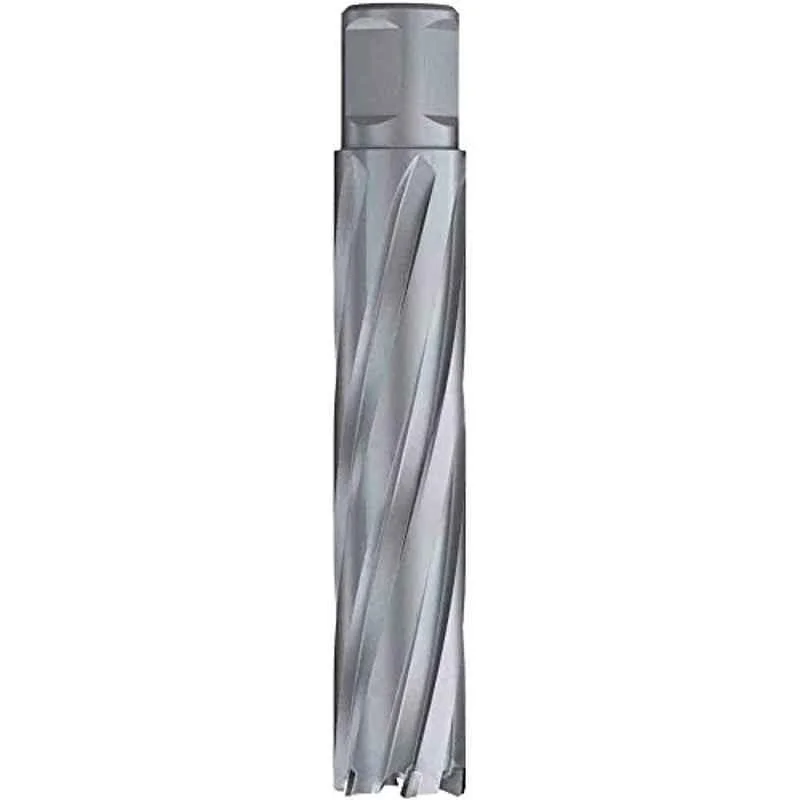
Are you tired of inconsistent machining results and premature tool failure in your construction projects? The quality of your hardware and export operations depends heavily on proper tool maintenance. When it comes to indexable cutters, one of the most critical maintenance tasks is insert replacement – a process that can make or break your machining efficiency and project timelines.
Indexable cutters represent the backbone of modern machining operations in the UAE construction sector. These versatile tools allow for quick insert changes without replacing the entire cutter body, saving time and reducing costs. However, improper insert replacement can lead to poor surface finish, dimensional inaccuracies, and even catastrophic tool failure. This comprehensive guide will walk you through the exact steps needed to change inserts correctly, ensuring optimal performance and extended tool life.
Essential Tools and Safety Precautions
Before beginning any insert replacement procedure, gather the necessary tools and implement proper safety measures. You’ll need the correct insert wrench or hex key, a clean work surface, gloves, and safety glasses. Always ensure the machine is completely powered off and the cutter is securely mounted or placed on a stable surface. According to industry standards from organizations like ISO, proper tool handling can reduce workplace accidents by up to 65%.
Step-by-Step Insert Replacement Process
Step 1: Remove the Old Insert
Begin by loosening the clamping screw using the appropriate wrench. Turn counterclockwise until the screw is completely loose, but do not remove it entirely from the cutter body. This prevents losing small components and maintains proper alignment for the new insert. Carefully lift out the worn insert, noting its orientation for proper replacement.
Step 2: Clean the Insert Pocket
Thoroughly clean the insert pocket using a brush and compressed air. Remove all chips, debris, and coolant residue that could prevent proper seating of the new insert. Even microscopic particles can cause improper insert positioning, leading to vibration and reduced tool life. A clean pocket ensures maximum contact between the insert and cutter body.
Step 3: Install the New Insert
Place the new insert into the pocket, ensuring it sits flush against all locating surfaces. Pay close attention to the insert’s orientation – most inserts have specific cutting geometries that must align correctly with the cutter body. The insert should drop into place without force; if resistance occurs, re-check for debris or improper alignment.
Step 4: Secure the Insert
Begin tightening the clamping screw by hand until snug, then use the wrench to apply the manufacturer’s recommended torque. Over-tightening can damage the insert or cutter body, while under-tightening may cause insert movement during operation. Most manufacturers specify torque values between 2-5 Nm for standard inserts.
Step 5: Verify Installation
Conduct a visual inspection to ensure the insert is properly seated and aligned. Check that all cutting edges are exposed correctly and there are no gaps between the insert and pocket walls. For critical applications, use a dial indicator to verify runout, which should typically not exceed 0.02mm.
Common Mistakes to Avoid
Many construction professionals make avoidable errors during insert replacement. Using incorrect or worn wrenches can strip screw heads, while failing to clean pockets properly leads to poor insert seating. Another common mistake is mixing inserts from different manufacturers or batches, which can cause inconsistent performance. Always use inserts specifically designed for your cutter body and follow manufacturer recommendations precisely.
How Indexable Cutters Are Made: From Raw Material to Finished Product
Raw Materials
Indexable cutters primarily use high-speed steel (HSS), carbide, or ceramic materials. The cutter bodies are typically manufactured from alloy steels like 4140 or 4340, while inserts use tungsten carbide with cobalt binder for cutting edges. These materials provide the necessary hardness and toughness required for demanding construction applications.
Manufacturing Process
The manufacturing begins with precision machining of the cutter body through CNC milling and turning operations. Critical features like insert pockets and coolant channels are machined to tight tolerances. The bodies then undergo heat treatment processes including hardening and tempering to achieve optimal mechanical properties. Inserts are produced through powder metallurgy, where tungsten carbide and cobalt powders are pressed into shape and sintered at high temperatures.
Key Properties Derived from Manufacturing
The manufacturing process imparts essential properties including high hardness (typically 89-94 HRA for carbide inserts), excellent wear resistance, and sufficient toughness to withstand cutting forces. Heat treatment provides the cutter body with strength and durability, while precise machining ensures dimensional accuracy for proper insert seating.
Quality Control
Quality checks include dimensional verification using CMM machines, material composition analysis, hardness testing, and visual inspection for surface defects. Each cutter undergoes runout testing to ensure proper balance and performance. Manufacturers follow international standards like ISO 9001 to maintain consistent quality.
Essential Uses in the UAE Construction Landscape
Indexable cutters play a vital role in UAE construction projects, particularly in metalworking applications for structural steel fabrication, aluminum window and door systems, and precision component manufacturing. They’re essential for milling operations on construction machinery, bridge components, and architectural metalwork. The ability to quickly change inserts makes them ideal for the fast-paced construction environment common in Dubai and across the UAE, where project timelines are often aggressive and downtime must be minimized.
Trusted Supplier for Construction Tools in Dubai
When it comes to reliable hardware and construction tools in the UAE, AL MIFTHAAH BUILDING & CONSTRUCTION MATERIALS TRADING CO LLC stands as a premier supplier. Located in Al Fahidi Bur Dubai, this established company has built a reputation for providing high-quality tools from trusted international brands. Their extensive experience in the construction industry ensures they understand the specific needs of UAE contractors and fabricators.
AL MIFTHAAH specializes in comprehensive tool solutions including ABRASIVES, DRILLING TOOLS, MACHINE TOOLS ACCESSORIES, and MILLING TOOLS. Their product range covers everything from basic cutting tools to sophisticated indexable cutters and inserts suitable for the most demanding construction applications. The company maintains strict quality control standards, ensuring every product meets the rigorous demands of UAE construction projects.
What sets AL MIFTHAAH apart is their commitment to customer support and technical expertise. Their team can provide guidance on tool selection, proper usage techniques, and maintenance procedures. With their user-friendly website at https://almifthaahbacmtrading.com/, customers can easily browse their extensive inventory and access valuable technical resources.