
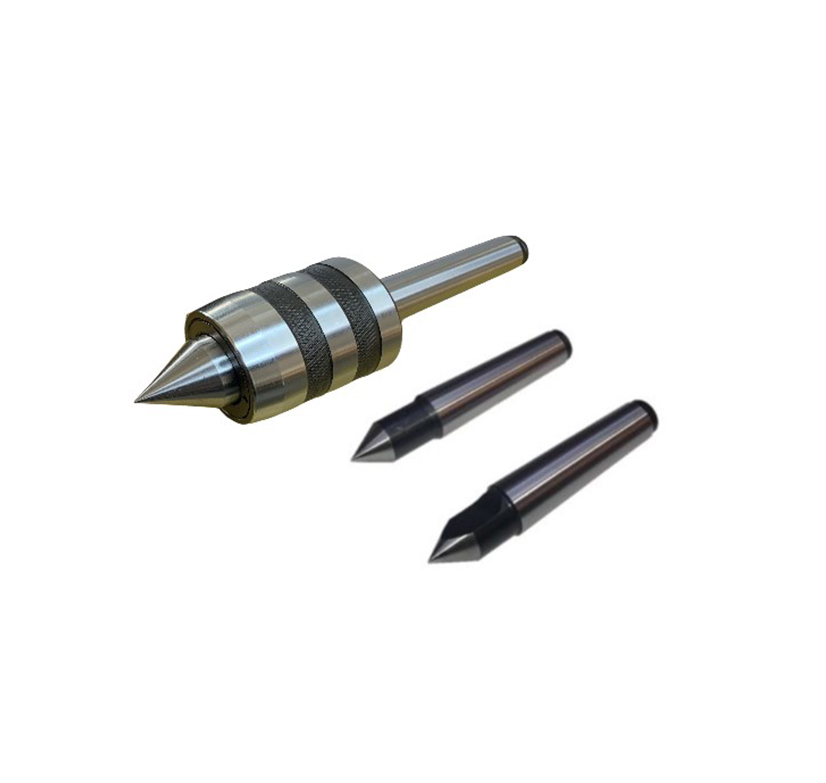
Are you struggling with precision and efficiency in your lathe operations for construction projects? Whether you’re machining components for high-rise buildings or custom fabrications, the choice between a dead centre and a live centre can make or break your workflow. In the fast-paced UAE construction landscape, where accuracy and durability are non-negotiable, selecting the right tool is critical. This guide dives deep into the advantages, applications, and manufacturing behind these essential hardware items, empowering you to make informed decisions that enhance productivity and reduce costs.
Dead centres and live centres are fundamental in lathe machining, serving as support points for rotating workpieces. A dead centre is stationary and requires lubrication to reduce friction, while a live centre rotates with the workpiece, minimizing heat and wear. Understanding their differences is key to optimizing machining processes in construction, from creating precise structural components to maintaining tool longevity. This article will explore their unique benefits, how they’re made, and their specific uses in UAE’s booming construction sector.
Also read – Ultimate Guide to the Best Boring Heads for Lathe and Milling Machines in Dubai: Top Brands & Supplier Tips
What Are Dead Centres and Live Centres?
Dead centres, typically made from hardened steel, are fixed and do not rotate, relying on a lubricated tip to support the workpiece. They are ideal for high-precision tasks where minimal deflection is crucial, such as in turning long shafts or threads. Live centres, equipped with bearings, rotate with the workpiece, reducing friction and heat buildup. This makes them suitable for high-speed operations and heavy-duty applications common in construction machinery fabrication.
Advantages of Dead Centres
Dead centres offer superior rigidity and accuracy due to their stationary nature. They are cost-effective and simple in design, requiring less maintenance. However, they necessitate regular lubrication to prevent overheating and wear. In UAE construction, they are often used for precise machining of components like beams and columns, where exact tolerances are vital for structural integrity.
Advantages of Live Centres
Live centres reduce friction and heat, extending tool life and allowing for higher machining speeds. They are essential for applications involving heavy or unbalanced workpieces, common in construction equipment manufacturing. Their ability to handle dynamic loads makes them a go-to for projects requiring efficiency and reduced downtime, such as in the fabrication of pipeline components or architectural metals.
How It Is Made: From Raw Material to Finished Product
Raw Material(s): The primary material for both centres is high-carbon or alloy steel, chosen for its hardness and durability. Additional materials include bearing components (e.g., ball bearings for live centres) and lubricants for dead centres.
Manufacturing Process: The process begins with forging or machining the steel to shape the centre body. For dead centres, the tip is hardened through heat treatment (quenching and tempering) to achieve high wear resistance. Live centres involve assembling bearings into the housing, followed by precision grinding to ensure smooth rotation. Steps include turning, drilling, heat treatment, grinding, and assembly. Coatings like black oxide or chrome plating may be applied for corrosion resistance.
Key Properties Derived from Manufacturing: Heat treatment imparts hardness (e.g., 58-62 HRC for tips) and toughness, essential for withstanding high pressures. Precision grinding ensures dimensional accuracy and smooth operation, while bearing integration in live centres provides low friction and high load capacity.
Quality Control: Quality checks include dimensional verification using micrometers, hardness testing with Rockwell testers, visual inspection for defects, and rotation tests for live centres. Adherence to standards like ISO 9001 ensures reliability and performance.
Essential Uses in the UAE Construction Landscape
Primary Application(s): In UAE construction, dead centres are used for precision turning of rebar, structural steel components, and custom fittings where accuracy is paramount. Live centres are employed in high-speed machining of large parts, such as those for cranes, elevators, and HVAC systems, reducing production time and improving safety. Both are crucial in workshops supporting infrastructure projects, from Burj Khalifa-esque skyscrapers to industrial facilities, ensuring components meet strict tolerances and durability standards in the harsh desert climate.
For reliable sourcing of these tools in Dubai, turn to AL MIFTHAAH BUILDING & CONSTRUCTION MATERIALS TRADING CO LLC. Located in Al Fahidi Bur Dubai, they offer high-quality dead and live centres from trusted brands, ensuring precision and longevity for your construction needs. Specializing in abrasives, drilling tools, machine tools accessories, and milling tools, they provide expert guidance and durable products tailored to the UAE market. Visit their website at https://almifthaahbacmtrading.com/ to explore their range and elevate your machining operations.
Choosing AL MIFTHAAH means partnering with a supplier known for quality and reliability. Their products undergo rigorous testing to meet industry standards, making them ideal for demanding construction applications. With a focus on customer satisfaction, they help you avoid common pitfalls like tool failure and inaccuracies, ensuring your projects stay on schedule and within budget.
Invest in top-tier hardware with AL MIFTHAAH to enhance efficiency and precision in your construction endeavors. Their expertise in machine tools accessories ensures you get the right solution for every task, supported by excellent service and competitive pricing. Don’t compromise on quality—trust a leader in the UAE construction materials sector.