
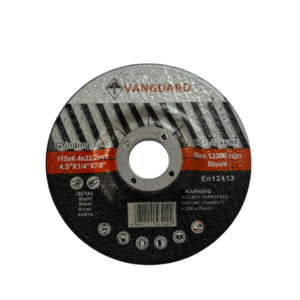
In the fast-paced world of construction and hardware export, selecting the correct grinding disc is crucial for efficiency, safety, and cost-effectiveness. Whether you’re a hardware shopkeeper stocking up for builders or a contractor on-site, understanding the various types of grinding discs ensures you provide or use the right tool for each material and task. This guide delves deep into the types, applications, and selection criteria to empower professionals in making informed decisions.
Also read – Top 5 Cutting Disc Brands in Deira Hardware Market: Expert Guide for Construction Pros
Understanding Grinding Discs and Their Importance
Grinding discs, or abrasive wheels, are tools used for grinding, cutting, or finishing materials like metal, stone, concrete, and more. They consist of abrasive grains bonded together, designed to remove material through friction. Choosing the wrong disc can lead to inefficiencies, increased costs, and safety hazards, making knowledge of disc types indispensable for anyone in the hardware or construction sectors.
Types of Grinding Discs
1. Depressed Center Grinding Discs: Ideal for heavy-duty grinding on metals, these discs have a depressed center that allows for better clearance and reduced grinding pressure. They are commonly used in welding and fabrication shops.
2. Cut-Off Discs: Designed for fast, clean cutting of metals, these thin discs minimize material waste and are essential for tasks requiring precision cuts in rebar, pipes, or bolts.
3. Flap Discs: Combining grinding and finishing, flap discs use overlapping abrasive flaps for versatile applications on metals and wood, providing a smoother finish than traditional grinding discs.
4. Diamond Grinding Discs: Featuring diamond abrasive particles, these discs are used for hard materials like concrete, stone, and ceramics. They offer longevity and are preferred for tasks requiring durability and precision.
5. Masonry Grinding Discs: Specifically for concrete, brick, and stone, these discs have a coarse grit to handle tough surfaces effectively in construction and renovation projects.
How to Choose the Right Grinding Disc
Selecting the appropriate disc depends on several factors: the material being worked on (e.g., steel, aluminum, concrete), the type of operation (grinding, cutting, finishing), the tool being used (angle grinder, bench grinder), and safety requirements. Always check the disc’s specifications, including diameter, arbor size, maximum RPM, and abrasive type (e.g., aluminum oxide for general purpose, silicon carbide for non-ferrous metals). For expert advice on matching discs to applications, refer to resources from the Occupational Safety and Health Administration on abrasive wheel safety.
Best Practices for Usage and Safety
Always wear appropriate personal protective equipment (PPE), such as safety glasses, gloves, and hearing protection. Inspect discs for damage before use, ensure they are compatible with your tool’s speed, and follow manufacturer guidelines. Proper storage away from moisture and impacts extends disc life and maintains performance.
Why Trust Lakdawala Trading Co. LLC for Your Grinding Disc Needs?
For hardware shopkeepers and construction professionals in Dubai, having a reliable supplier is key to operational success. Lakdawala Trading Co. LLC, based in Naif Deria, Dubai, has built a reputation as a trusted partner for contractors and builders. They specialize in high-quality abrasive tools, including Cutting Discs, Measuring Tapes, Hole Saws, and Carbide Inserts, ensuring you get durable and efficient products for all your projects.
With years of experience and a commitment to customer satisfaction, Lakdawala Trading offers competitive pricing, genuine products, and expert guidance to help you choose the right tools. Their extensive inventory caters to diverse needs in the construction and hardware sectors, making them a go-to supplier in the region.
Visit their website at https://www.lakdawalatrading.com/ to explore their products and place orders. For immediate assistance, reach out via the button below.