
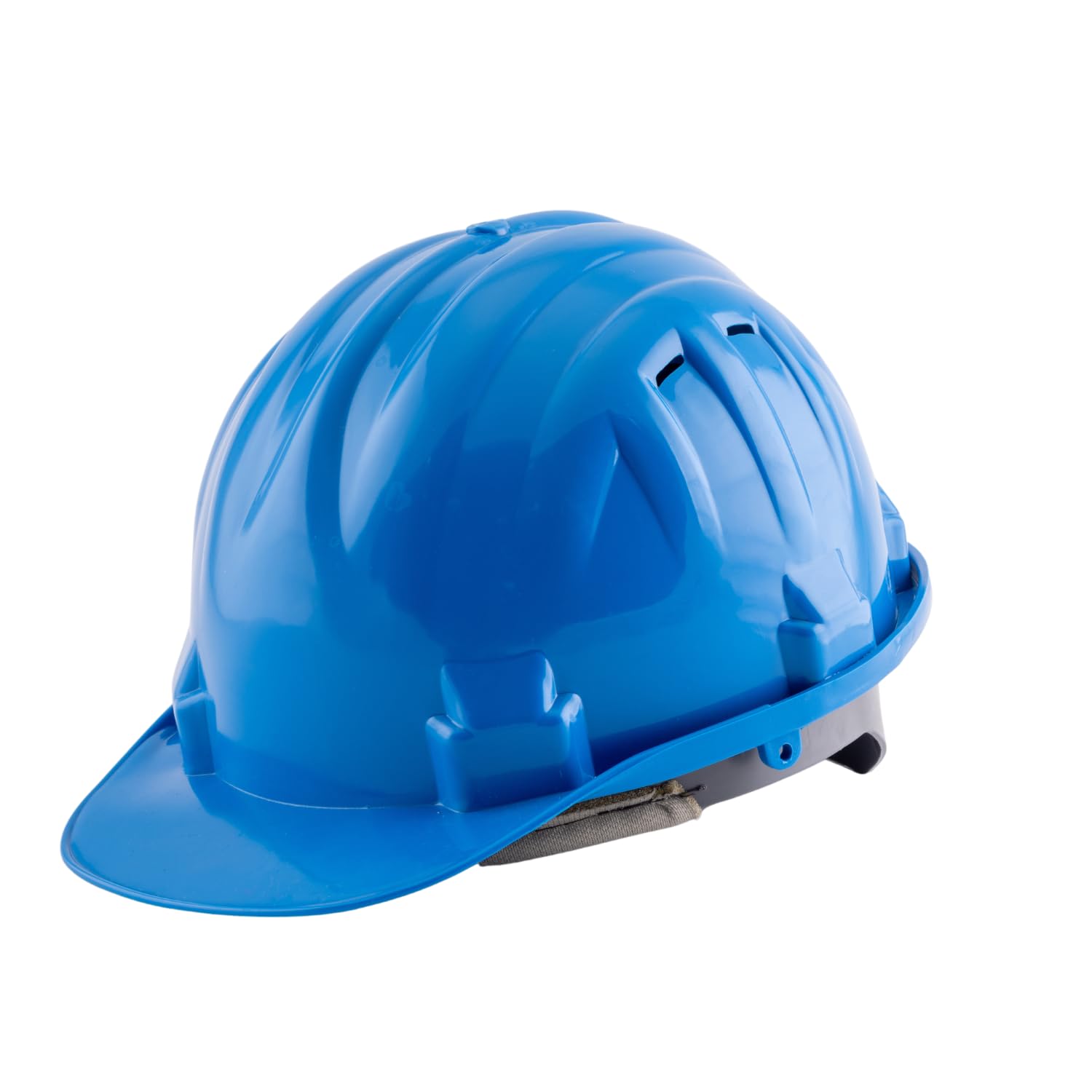
In the construction and hardware sectors, especially for those involved in export, ensuring worker safety is non-negotiable. A properly fitted safety helmet is a cornerstone of personal protective equipment (PPE), guarding against head injuries from falling objects, impacts, and electrical hazards. This guide provides a detailed, authoritative approach to fitting safety helmets correctly, ensuring compliance and protection on every job site.
Also read – Which Safety Glasses Are Best for UAE Professionals? 3M vs. DeWalt vs. UVEX
Understanding the Importance of Proper Fit
A safety helmet that is too loose can fall off during movement or impact, while one that is too tight may cause discomfort, reduce blood circulation, and lead to non-compliance. The fit must be secure yet comfortable, allowing for all-day wear without compromising safety. Always refer to the manufacturer’s instructions, as designs vary.
Step 1: Select the Right Size
Safety helmets come in various sizes, typically small, medium, large, and sometimes adjustable models. Measure the wearer’s head circumference at its widest point, about 1 inch above the eyebrows. Use a flexible tape measure and compare with the helmet’s size chart. For adjustable helmets, ensure the mechanism is robust and easy to use.
Step 2: Position the Helmet Correctly
Place the helmet squarely on the head, with the brim level and the front pointing forward. It should sit low on the forehead, approximately one inch above the eyebrows, to protect the frontal area without obstructing vision. The helmet must not tilt backward or forward excessively.
Step 3: Adjust the Headband and Suspension
Most helmets feature an internal suspension system with a headband and straps. Tighten the headband so it fits snugly around the head without pressure points. The suspension should hold the shell away from the head, allowing for ventilation and shock absorption. Ensure the nape strap (if present) is adjusted to cradle the back of the head securely.
Step 4: Check for Stability and Comfort
Shake your head gently; the helmet should not shift or fall off. Bend over; it should stay in place. Ensure no parts dig into the skin. If wearing accessories like earmuffs or face shields, attach them according to instructions and re-check the fit. For more detailed standards, refer to resources from the Occupational Safety and Health Administration (OSHA).
Maintenance and Replacement
Inspect helmets regularly for cracks, dents, or wear. Clean with mild soap and water; avoid solvents. Replace after any significant impact or as per manufacturer guidelines, typically every 2-5 years, depending on use and exposure to UV light or chemicals.
For all your safety and construction hardware needs, trust CRYSTAL BUILDING MATERIAL in Deira, Dubai. They offer competitive wholesale prices on a wide range of essential tools, including measuring tapes, hammers, adjustable wrenches, and non-sparking tools, ensuring you have reliable equipment for every project.
CRYSTAL BUILDING MATERIAL is known for dependable service and high-quality products, making them a preferred supplier for professionals in the UAE construction industry. Their expertise and extensive inventory support safety and efficiency on site.
Visit their website at https://www.gulfinquiries.com/ to explore their offerings and place orders. Benefit from their commitment to excellence and customer satisfaction.