
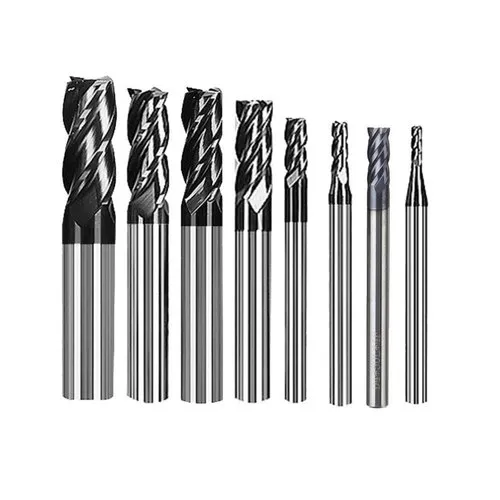
Are you tired of constantly replacing expensive HSS endmills in your hardware export business or construction projects? The high-speed steel tools that form the backbone of modern machining operations represent significant investment costs for hardware shopkeepers and construction companies across the UAE. Proper maintenance and sharpening can extend tool life by up to 300%, dramatically reducing operational expenses and improving project efficiency.
In the competitive hardware export market and demanding construction sector, understanding how to properly maintain HSS endmills isn’t just a cost-saving measure—it’s a strategic advantage. This comprehensive guide will walk you through professional sharpening techniques, common mistakes to avoid, and proven strategies to maximize your tool investment.
Also read – Ultimate Guide: Drilling Tips for Precise Holes in Jewelry Making for Hardware & Construction Pros
Understanding HSS Endmill Composition and Properties
High-speed steel (HSS) endmills are engineered for durability and performance in demanding machining applications. The manufacturing process begins with carefully selected raw materials including tungsten, molybdenum, chromium, vanadium, and cobalt alloys. These elements are melted together in electric arc furnaces at temperatures exceeding 1,500°C to create the base HSS material.
The manufacturing process involves several critical stages. First, the molten steel is cast into ingots, then hot-rolled into bars of specific diameters. The bars undergo precision grinding to achieve the required dimensional accuracy before the cutting edges are formed through specialized grinding operations. Heat treatment follows, involving hardening at temperatures around 1,200°C and multiple tempering cycles to achieve the optimal balance of hardness and toughness.
This sophisticated manufacturing process imparts essential properties that make HSS endmills ideal for construction applications. The heat treatment creates exceptional hardness (typically 62-67 HRC), allowing the tools to maintain sharp cutting edges even at elevated temperatures. The alloy composition provides excellent wear resistance, while the precise grinding ensures dimensional accuracy critical for construction tolerances.
Quality control throughout the manufacturing process includes dimensional verification, hardness testing, visual inspection for defects, and performance testing. Reputable manufacturers adhere to international standards such as ISO 9001 and DIN standards to ensure consistent quality.
Essential Sharpening Techniques for HSS Endmills
Proper sharpening begins with understanding when your endmills need attention. Look for signs of wear including dull cutting edges, chipping, reduced cutting performance, or poor surface finish on workpieces. Regular inspection and timely sharpening prevent catastrophic tool failure and maintain machining quality.
The sharpening process requires specialized equipment and techniques. For primary relief angles, maintain consistent angles between 5-10 degrees depending on the application. Use dedicated endmill sharpening fixtures or tool and cutter grinders to ensure precision. The cutting edge should be sharpened with minimal material removal—typically 0.1-0.3mm—to preserve tool life while restoring cutting performance.
For flute sharpening, maintain the original helix angle and ensure consistent edge geometry across all flutes. Use appropriate grinding wheels—typically aluminum oxide or CBN wheels for HSS materials—and maintain proper coolant flow to prevent thermal damage during sharpening. According to machining experts at Machining Doctor, proper sharpening can restore up to 80% of original tool performance when done correctly.
Common Sharpening Mistakes to Avoid
One of the most frequent errors in endmill sharpening is overheating during the grinding process. Excessive heat can cause tempering, reducing hardness and leading to premature tool failure. Always use adequate coolant and take light passes to control temperature.
Inconsistent geometry represents another common pitfall. Variations in relief angles, cutting edge geometry, or flute spacing can cause vibration, poor surface finish, and reduced tool life. Use precision fixtures and regularly calibrate your sharpening equipment to maintain consistency.
Over-sharpening removes excessive material, significantly reducing tool life. Establish clear guidelines for maximum material removal during each sharpening cycle and track the number of times each tool has been sharpened to optimize usage.
Extending HSS Endmill Life Through Proper Usage
Beyond sharpening, proper usage practices dramatically extend HSS endmill life. Select appropriate cutting parameters including speed, feed rate, and depth of cut based on material being machined. Use adequate coolant or lubrication to reduce heat generation and wear. Implement tool rotation schedules to distribute wear evenly across multiple tools.
Storage and handling also impact tool longevity. Store endmills in organized racks with protective coatings to prevent corrosion and physical damage. Handle tools carefully to avoid chipping cutting edges, and implement regular inspection schedules to identify wear before it affects performance.
Essential Uses in the UAE Construction Landscape
HSS endmills serve critical functions across the UAE construction sector. Their primary applications include precision milling of structural components, creating custom fittings and connections, and manufacturing specialized construction elements. In aluminum and steel fabrication shops, HSS endmills produce precise joints and connections for structural frameworks.
The tools are essential for creating custom architectural elements, machining mounting surfaces for equipment installation, and producing specialized components for UAE’s innovative construction projects. From Burj Khalifa’s sophisticated systems to the intricate details of traditional Arabic architecture, HSS endmills contribute to both structural integrity and aesthetic excellence.
Your Trusted Partner for Quality Cutting Tools
For hardware shopkeepers and construction professionals seeking reliable cutting tool solutions, AL MIFTHAAH BUILDING & CONSTRUCTION MATERIALS TRADING CO LLC stands as your trusted partner. Located in the heart of Dubai’s commercial district at Al Fahidi Bur Dubai, the company has built a reputation for excellence in supplying high-quality tools to the construction industry.
The company specializes in comprehensive tool solutions including premium ABRASIVES, precision DRILLING TOOLS, advanced MACHINE TOOLS ACCESSORIES, and professional MILLING TOOLS. Their inventory features products from trusted international brands, ensuring consistent performance and reliability for demanding construction applications across the UAE.
What sets AL MIFTHAAH apart is their commitment to customer support and technical expertise. Their team understands the specific challenges faced by construction professionals in the region’s unique climate and project requirements. They provide not just products, but complete solutions backed by technical guidance and after-sales support.
Visit their website at https://almifthaahbacmtrading.com/ to explore their comprehensive product range and discover how their expertise can enhance your tool management strategy.