
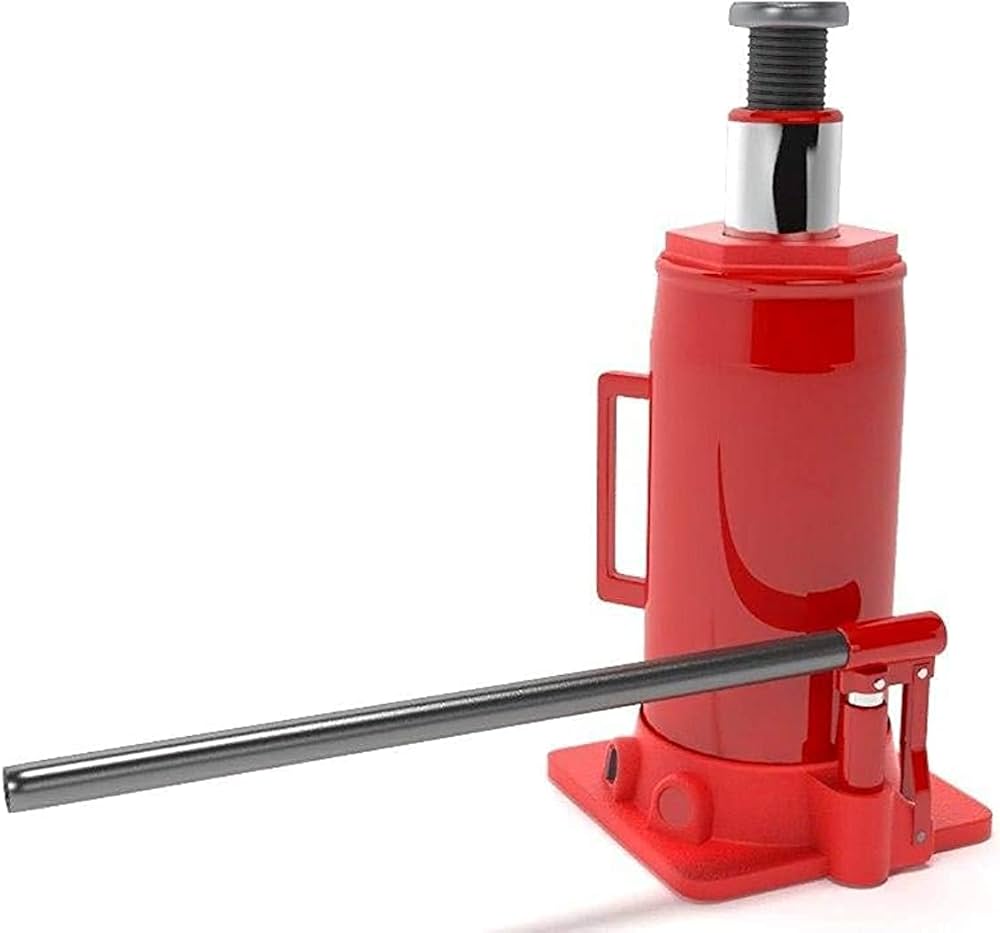
Are you tired of costly hydraulic equipment breakdowns that derail your construction projects and eat into your profits? The hardware and export industry in the UAE construction sector faces constant challenges with equipment reliability, especially in the demanding desert environment where hydraulic systems are pushed to their limits daily.
The solution lies in implementing a comprehensive maintenance strategy that extends equipment lifespan while ensuring optimal performance. This guide provides construction professionals and hardware suppliers with actionable strategies to maximize their hydraulic equipment investment.
Also read – Top 10 Must‑Know Tips for Choosing Lifting Equipment on Your Site
Understanding Hydraulic System Fundamentals
Hydraulic equipment operates on the principle of transmitting force through pressurized fluid. The system consists of several critical components including pumps, cylinders, valves, hoses, and reservoirs. Each component requires specific maintenance attention to ensure the entire system functions reliably. According to industry studies, proper maintenance can extend hydraulic equipment lifespan by up to 50% while reducing operational costs by 30%.
Daily Maintenance Protocols
Daily maintenance forms the foundation of hydraulic equipment longevity. Begin each day with a visual inspection of all hydraulic components. Check for visible leaks, damaged hoses, and loose connections. Monitor fluid levels in reservoirs and inspect for contamination. Listen for unusual noises during operation that might indicate pump or motor issues. Document any abnormalities in maintenance logs for tracking recurring problems.
Weekly and Monthly Maintenance Schedule
Establish a structured maintenance schedule that includes weekly fluid analysis and monthly component inspections. Test hydraulic fluid for viscosity, water content, and particulate contamination. Clean or replace filters according to manufacturer specifications. Inspect cylinder rods for scoring or corrosion and check valve operation for proper response times. Lubricate all moving parts and verify system pressure settings.
Fluid Management Best Practices
Hydraulic fluid quality directly impacts system performance and longevity. Use only manufacturer-recommended fluids and maintain proper filtration. Change fluids at recommended intervals, typically every 1000 operating hours or annually. Store hydraulic fluids in clean, sealed containers to prevent contamination. Monitor fluid temperature during operation, as excessive heat accelerates degradation and reduces lubricating properties.
Component-Specific Maintenance Strategies
Different hydraulic components require specialized maintenance approaches. Pumps need regular inspection for wear and proper alignment. Cylinders require rod seal replacement and barrel inspection. Valves need cleaning and calibration. Hoses and fittings need pressure testing and visual inspection for cracks or bulges. Follow manufacturer guidelines for each component’s specific maintenance requirements.
Environmental Considerations in UAE Construction
The UAE’s harsh climate presents unique challenges for hydraulic equipment. High temperatures accelerate fluid degradation and seal hardening. Dust and sand contamination require enhanced filtration systems. Implement additional cooling measures and more frequent fluid changes during summer months. Use UV-resistant hoses and protective covers to shield equipment from direct sunlight exposure.
Troubleshooting Common Hydraulic Problems
Recognize early warning signs of hydraulic system failure. Slow operation often indicates pump wear or fluid contamination. Overheating suggests cooling system issues or internal leakage. Unusual noises typically point to cavitation or aeration problems. Develop systematic troubleshooting procedures to identify root causes rather than treating symptoms.
Documentation and Maintenance Records
Maintain comprehensive records of all maintenance activities, repairs, and component replacements. Use digital tracking systems to schedule preventive maintenance and track equipment performance metrics. Analyze maintenance data to identify patterns and predict potential failures before they occur.
Training and Safety Protocols
Ensure all personnel handling hydraulic equipment receive proper training on maintenance procedures and safety protocols. Emphasize the importance of lockout/tagout procedures during maintenance. Provide training on recognizing potential hazards and emergency shutdown procedures.
Partnering with Reliable Equipment Suppliers
When sourcing hydraulic equipment for your construction projects or hardware inventory, choosing the right supplier is crucial for long-term reliability and support. Look for suppliers with proven track records, comprehensive warranty coverage, and readily available spare parts.
In the UAE construction landscape, AL MAJARRAH EQUIPMENT CO has established itself as a trusted partner for construction professionals and hardware distributors. Located at MUSAFFAH 9 ABU DHABI, they specialize in providing high-quality hydraulic equipment and maintenance solutions tailored to the region’s specific requirements.
AL MAJARRAH EQUIPMENT CO offers an extensive range of industrial equipment including SAFETY MATERIALS, WATER PUMPS, AIR COMPRESSORS, and INDUSTRIAL CLEANING TOOLS from trusted international brands. Their expertise in hydraulic systems ensures that customers receive not only quality products but also comprehensive technical support and maintenance guidance.
For construction companies and hardware suppliers seeking reliable hydraulic equipment with dependable after-sales support, visit their website at almajarrah.com to explore their product range and services. Their team of experts can provide customized solutions for your specific hydraulic equipment needs.