
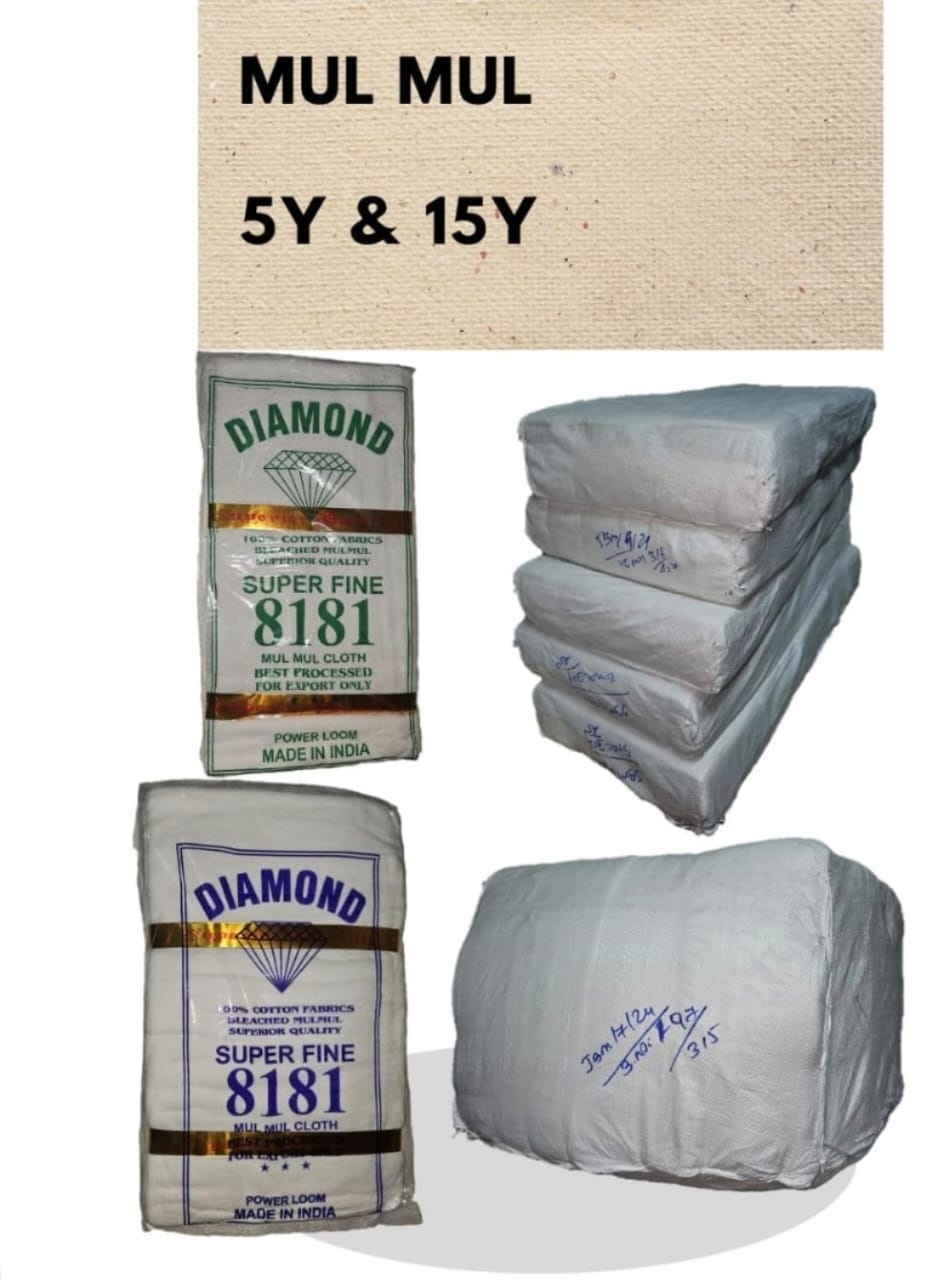
In the scorching heat of the UAE, where temperatures often soar above 40°C, construction workers and hardware suppliers face a critical challenge: how to ensure comfort, safety, and productivity. The right fabric for protective clothing, shading, and temporary structures isn’t just a luxury—it’s a necessity. But with options like Mul Mul and Linen available, which one truly stands up to the extreme conditions? This comprehensive guide dives deep into the properties, manufacturing, and practical applications of both fabrics, providing hardware shopkeepers and construction professionals with the insights needed to make informed decisions.
Also read – Heavy Duty PVC Bucket – Built to Last, Supplied by Jummana Building Materials, Sharjah
What Are Mul Mul and Linen?
Mul Mul, also known as muslin, is a lightweight, plain-woven cotton fabric known for its softness and breathability. Originating from historical trade routes, it has been used for centuries in hot climates. Linen, derived from the flax plant, is one of the oldest textiles, prized for its strength and natural cooling properties. Both are popular in the construction sector for applications like worker uniforms, sunshades, and dust covers, but they differ significantly in composition and performance.
How It Is Made: From Raw Material to Finished Product
Raw Material(s)
Mul Mul is made from cotton fibers, typically from high-quality, long-staple cotton that offers fine texture. Linen is produced from the fibers of the flax plant (Linum usitatissimum), which are stronger and more durable than cotton.
Manufacturing Process
For Mul Mul: The process begins with harvesting cotton, which is ginned to remove seeds. The fibers are then carded and spun into yarn using spinning machines. Weaving involves plain weave techniques on looms, creating a loose, airy fabric. It may undergo bleaching or dyeing for finished products.
For Linen: Flax plants are harvested and retted (soaked) to separate fibers from the stalk. After drying and breaking, the fibers are scutched (beaten) and hackled (combed) to align them. Spinning produces linen yarn, which is woven into fabric using similar weaving methods but often results in a tighter weave. It is then washed and finished to enhance softness.
Key Properties Derived from Manufacturing
Mul Mul gains its breathability and lightweight nature from the loose plain weave, allowing air circulation. Linen derives high tensile strength and moisture-wicking ability from the long flax fibers and tight weaving, making it resistant to wear and excellent at absorbing sweat.
Quality Control
Both fabrics undergo checks for dimensional accuracy, strength testing (e.g., tear resistance), defect inspection (like holes or uneven weaving), and adherence to standards such as ISO for textiles. For Mul Mul, softness and weight per square meter are key metrics, while linen is tested for fiber purity and durability.
Essential Uses in the UAE Construction Landscape
Primary Application(s): In the UAE’s construction industry, these fabrics are primarily used for protective clothing, such as coveralls and headgear, to shield workers from heat and sun. They are also employed in temporary shading structures, dust covers for equipment, and safety nets. Mul Mul is favored for its affordability and comfort in high-heat areas, while linen is chosen for durability in harsh environments, reducing replacement costs. According to industry reports, breathable fabrics can improve worker productivity by up to 15% in extreme heat, making material selection crucial for project efficiency.
Comparison: Mul Mul vs. Linen for Hot Climates
When evaluating which fabric is better for hot climates, consider factors like breathability, durability, cost, and maintenance. Mul Mul excels in breathability and cost-effectiveness, making it ideal for daily use in less abrasive conditions. However, it may wear out faster. Linen offers superior durability and moisture management, perfect for long-term applications but at a higher price point. For the UAE, where sand and sun accelerate wear, linen often proves more reliable, though Mul Mul is a budget-friendly alternative for short-term projects.
Why Choose Jummana Building Materials for Your Fabric Needs?
For hardware shopkeepers and construction firms in the UAE, sourcing reliable materials is key to success. Jummana Building Materials, based in Industrial Area Sharjah, stands out as a trusted supplier with competitive wholesale prices. They specialize in a range of essential products, including Mul Mul fabric, ensuring quality and affordability for hot climate applications.
With expertise in Hand Shovels, Nylon & Cotton Rope, Mul Mul, and PVC Bucket Heavy Duty, Jummana offers comprehensive solutions tailored to the construction sector. Their commitment to durability and customer satisfaction makes them a go-to partner for projects across the region.
Visit their website at gulfinquiries.com to explore their catalog and place orders. For immediate assistance, contact them directly.