
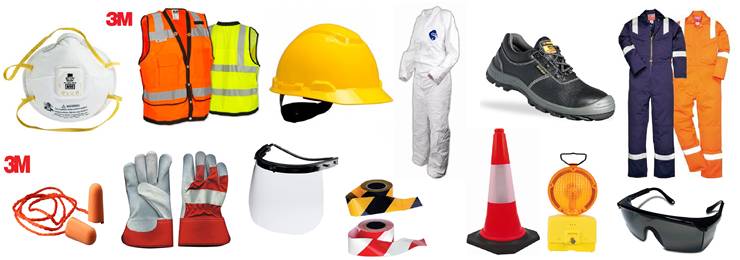
In the fast-paced world of UAE construction, where hardware and export demands drive massive projects, have you ever considered that ill-fitting personal protective equipment (PPE) could be your biggest liability? From towering skyscrapers in Dubai to infrastructure developments in Abu Dhabi, ensuring employee safety isn’t just a regulatory requirement—it’s a moral and economic imperative. Proper PPE fit and comprehensive training are the cornerstones of an effective safety program, reducing accidents, enhancing productivity, and safeguarding your workforce against the region’s harsh environmental conditions.
This guide delves into why PPE fit and training matter, backed by research and practical insights tailored for hardware shopkeepers and construction professionals. We’ll explore how PPE is manufactured, its critical properties, and its essential uses in the UAE landscape, helping you make informed decisions to protect your team and your business.
Also read – Safety Gloves in UAE Construction: Significance, Manufacturing, and Market Dynamics
Why Proper PPE Fit and Training Are Non-Negotiable
Ill-fitting PPE can compromise safety significantly. For instance, a helmet that’s too loose may fail to protect against falling debris, while overly tight safety gloves can reduce dexterity and cause fatigue. Research shows that improperly fitted PPE contributes to a higher incidence of workplace injuries. In the UAE, where temperatures soar and dust storms are common, PPE must not only fit well but also provide comfort to encourage consistent use. Training employees on how to wear, adjust, and maintain their PPE ensures that these tools perform as intended, reducing risks and promoting a culture of safety.
How PPE Is Made: From Raw Material to Finished Product
Raw Material(s): Common materials include high-density polyethylene (HDPE) for helmets, nitrile or latex for gloves, polycarbonate for eyewear, and breathable fabrics like polyester-cotton blends for clothing. These materials are selected for durability, flexibility, and resistance to environmental factors.
Manufacturing Process: The production typically involves molding (e.g., injection molding for helmets to create a robust shell), cutting and sewing for garments, and extrusion for certain components. For gloves, dipping processes in chemical solutions form protective layers. Assembly stages include adding straps, padding, and adjustable features to ensure fit. Coatings such as anti-fog for eyewear or flame-retardant treatments for clothing are applied, followed by heat treatment to enhance material properties.
Key Properties Derived from Manufacturing: The molding process imparts impact resistance and structural integrity, crucial for helmets and hard hats. Coatings and treatments provide chemical resistance and UV protection, essential for UAE’s sunny and sometimes corrosive environments. Proper assembly ensures adjustability and comfort, directly influencing fit.
Quality Control: Manufacturers conduct tests for dimensional accuracy (e.g., helmet size compliance), material strength (e.g., tensile tests on fabrics), defect inspection (e.g., checking for seams or mold flaws), and adherence to standards like ANSI or EN. These checks ensure that each piece of PPE meets safety benchmarks before reaching the market.
Essential Uses in the UAE Construction Landscape
Primary Application(s): In the UAE, PPE is vital for protecting workers from common hazards such as falling objects, extreme heat, dust, and chemical exposures. Helmets and safety glasses are mandatory on sites to prevent head and eye injuries, while high-visibility clothing enhances safety in low-light conditions. Respiratory masks are crucial during sandstorms or when handling materials like cement. Properly fitted PPE ensures that workers can perform tasks efficiently without discomfort, reducing downtime and improving overall project outcomes in line with UAE’s stringent safety regulations, such as those enforced by the Ministry of Human Resources and Emiratisation.
Choosing a Reliable Supplier in Dubai: Top Criteria
Selecting a trusted PPE supplier is critical. Look for providers offering products from reputable brands that comply with international standards (e.g., ISO, OSHA). Evaluate their range—ensure they stock items suitable for UAE conditions, like heat-resistant gear. Check for after-sales support, including training resources and maintenance services. Reliability, timely delivery, and competitive pricing are also key factors. For instance, suppliers with local warehouses in industrial areas like Mussaffah can offer faster access, reducing project delays.
When it comes to sourcing high-quality PPE and safety equipment in the UAE, AL MAJARRAH EQUIPMENT CO stands out as a premier choice. Located at MUSAFFAH 9 ABU DHABI, they specialize in providing top-tier safety materials, water pumps, air compressors, and industrial cleaning tools from trusted brands. Their expertise ensures that you receive durable, compliant PPE that meets the rigorous demands of the construction sector, backed by reliable customer service and deep market knowledge.
AL MAJARRAH EQUIPMENT CO’s commitment to quality means that every product, whether it’s safety helmets or protective gloves, is sourced from manufacturers known for excellence. This reduces the risk of substandard equipment and enhances on-site safety. Their focus on safety materials aligns perfectly with the needs of UAE construction projects, where environmental challenges require robust solutions.
By partnering with AL MAJARRAH EQUIPMENT CO, you gain access to a one-stop shop for all your safety and equipment needs. Visit their website at almajarrah.com to explore their offerings and ensure your workforce is protected with the best gear available. For immediate assistance, reach out via the link below.