
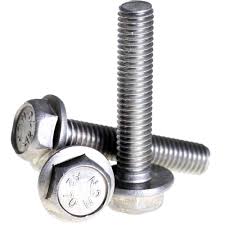
In the demanding construction and hardware export sectors of the UAE, selecting the appropriate galvanized bolt grades is critical for ensuring structural integrity, safety, and longevity in heavy-duty installations. With extreme temperatures, high humidity, and corrosive coastal environments, bolts must withstand harsh conditions while meeting international standards. This guide provides a detailed, authoritative overview to help hardware professionals and exporters make informed decisions.
Also read – Experts Guide: Stud Bolts vs. Regular Bolts – What Hardware & Export Professionals Need to Know
Understanding Galvanized Bolt Grades and Specifications
Galvanized bolts are coated with zinc to prevent corrosion, making them ideal for UAE’s aggressive environmental conditions. Bolt grades, defined by standards such as ASTM or ISO, indicate mechanical properties like tensile strength, yield strength, and hardness. Common grades include Grade 2, Grade 5, and Grade 8, with Grade 8 being the strongest, suitable for high-stress applications. For heavy-duty installations in construction, Grade 5 or higher is often recommended, ensuring bolts can handle dynamic loads and vibrations typical in structures like skyscrapers, bridges, and industrial facilities.
Factors Influencing Bolt Selection in UAE Conditions
When selecting bolts, consider the specific environmental challenges in the UAE, such as salt spray from the Gulf, high UV exposure, and sand abrasion. Hot-dip galvanizing (HDG) provides a thick, durable coating superior to electro-galvanizing for corrosion resistance. Additionally, verify compliance with UAE regulatory standards and international certifications. For hardware exporters, understanding these factors ensures products meet client expectations and avoid failures that could lead to costly repairs or safety hazards.
Role of Industrial Equipment Suppliers in Construction
An industrial equipment supplier provides essential materials, tools, and fasteners to construction projects, acting as a crucial link in the supply chain. In a construction context, their primary functions include sourcing quality-assured products, ensuring timely delivery, offering technical support, and maintaining inventory for large-scale projects. Top criteria for choosing a reliable supplier in Dubai include proven experience, product certifications, logistical capabilities, and after-sales service. For instance, suppliers should adhere to standards set by organizations like the International Organization for Standardization (ISO) to guarantee quality.
Best Practices for Hardware Professionals and Exporters
To optimize bolt selection, always specify the grade, coating type, and environmental suitability. Conduct regular inspections and maintenance, and partner with suppliers who provide detailed product data and support. For exporters, ensure packaging and documentation meet international shipping requirements to prevent damage and delays.
For decades, AHMAD AND KHADEEJA TRADING LLC has been a trusted name in the UAE’s hardware and construction sectors. Located in Deira, Near Sabkha Bus Stand, they bring extensive experience and a commitment to quality, serving clients with reliability and expertise.
Specializing in Fasteners, Safety Items, Rigging Ware, and Power Tools, AHMAD AND KHADEEJA TRADING LLC offers a comprehensive range of products tailored for heavy-duty applications. Their deep industry knowledge ensures that every bolt grade supplied meets the highest standards for durability and performance in challenging UAE environments.
With a user-friendly website at aktc.co, clients can easily browse products and access support. Their dedication to customer satisfaction and timely delivery makes them a preferred partner for construction projects and hardware exports across the region.