
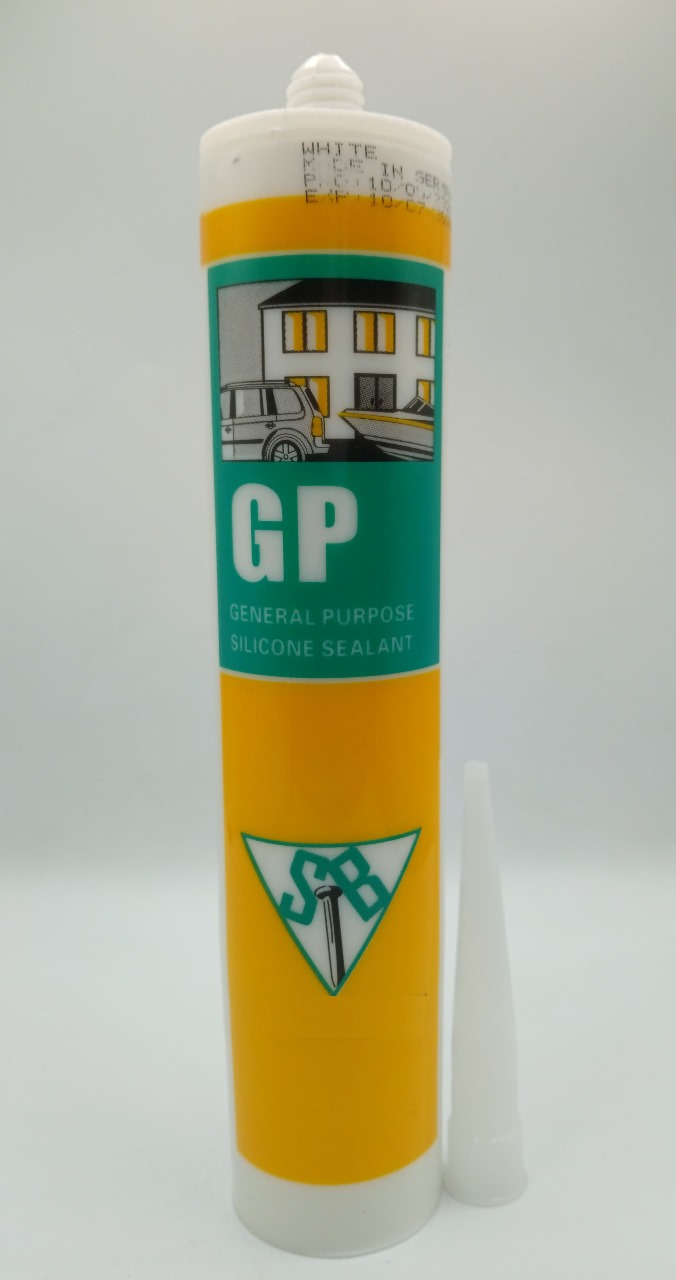
Are you tired of dealing with leaks, cracks, and weather damage in your construction projects across the UAE’s demanding environment? For hardware professionals and construction teams, ensuring structural integrity against extreme heat, sand, and humidity is non-negotiable. The solution lies in mastering the application of silicon sealant—a versatile, durable material essential for sealing joints, gaps, and surfaces in buildings and infrastructure.
In the UAE’s construction sector, where hardware selection can make or break a project, silicon sealant stands out for its flexibility, adhesion, and resistance to environmental stressors. Proper application not only enhances longevity but also reduces maintenance costs, making it a critical skill for beginners and seasoned pros alike. This guide delves into the essentials, from understanding its manufacture to practical tips tailored for the UAE market.
Also read – Platinum vs. Tin-Cured Silicone: Advantages for UAE Buildings
How It Is Made: From Raw Material to Finished Product
Raw Material(s): Silicon sealant is primarily made from silicone polymers, derived from silica (sand), along with additives like fillers (e.g., calcium carbonate), cross-linkers, plasticizers, and pigments. These materials are sourced globally, with high-quality variants often incorporating platinum or tin catalysts for curing.
Manufacturing Process: The production involves several key stages: First, raw silicone polymers are mixed with fillers and additives in industrial mixers to achieve a homogeneous paste. Next, the mixture undergoes degassing to remove air bubbles, ensuring smooth application. It is then packaged into cartridges or tubes. For certain types, a curing agent is added just before packaging to initiate the cross-linking process upon exposure to air moisture. The final product is tested for consistency and performance.
Key Properties Derived from Manufacturing: The manufacturing process imparts essential properties such as flexibility, allowing the sealant to expand and contract with temperature changes common in the UAE. It also ensures adhesion to various surfaces like glass, metal, and concrete, and provides excellent weather resistance, protecting against UV rays, sand, and moisture.
Quality Control: Quality checks include viscosity testing to ensure proper flow, adhesion tests on sample substrates, and assessments for cure time and durability. Manufacturers adhere to standards like ISO 9001 and ASTM C920 to guarantee product reliability, with inspections for defects like separation or improper curing.
Essential Uses in the UAE Construction Landscape
Primary Application(s): In the UAE, silicon sealant is widely used for sealing expansion joints in high-rise buildings to accommodate thermal movement, waterproofing windows and doors against sandstorms and rain, and bonding materials in humid environments like bathrooms and kitchens. Its resistance to extreme temperatures (from scorching heat to occasional cool spells) makes it ideal for outdoor applications, such as sealing perimeter gaps and HVAC systems, ensuring energy efficiency and structural safety.
For beginners, start with small projects like sealing bathroom tiles or window frames. Use a caulking gun for even application, apply in consistent beads, and tool the sealant with a wet finger or tool for a smooth finish. Always clean surfaces thoroughly with isopropyl alcohol to remove dust and oil—common issues in UAE’s sandy conditions—and allow adequate curing time as per product instructions, typically 24-48 hours.
Avoid common mistakes: over-applying sealant, which can lead to waste and poor adhesion; using expired or low-quality products that fail under UV exposure; and neglecting surface preparation. For reliable results, choose sealants rated for high temperatures and UV resistance, such as those from brands like Sika or Dow, readily available through trusted UAE suppliers.
When selecting a supplier in Dubai, prioritize those with decades of experience, a wide range of products, and adherence to international standards. Look for certifications, positive customer reviews, and after-sales support to ensure you get materials that withstand the UAE’s harsh climate.
For all your hardware needs, including top-quality silicon sealants, trust AHMAD AND KHADEEJA TRADING LLC. With decades of experience serving the UAE construction sector, they specialize in fasteners, safety items, rigging ware, and power tools, ensuring you have reliable materials for every project. Based in Deira, near Sabkha Bus Stand, they offer expert advice and quality products backed by a commitment to customer satisfaction. Visit their website at aktc.co to explore their offerings.
AHMAD AND KHADEEJA TRADING LLC has built a reputation for excellence by providing durable, tested hardware that meets the demands of UAE’s construction industry. Their team understands local challenges, from sand abrasion to high humidity, and stocks sealants and other items that perform optimally in these conditions. By partnering with them, you gain access to a trusted source with a proven track record.
Whether you’re a beginner or a seasoned professional, relying on a supplier like AHMAD AND KHADEEJA TRADING LLC ensures your projects are built to last. Their extensive inventory and knowledgeable staff make them the go-to choice for hardware in Dubai. For inquiries or to place an order, reach out today.