
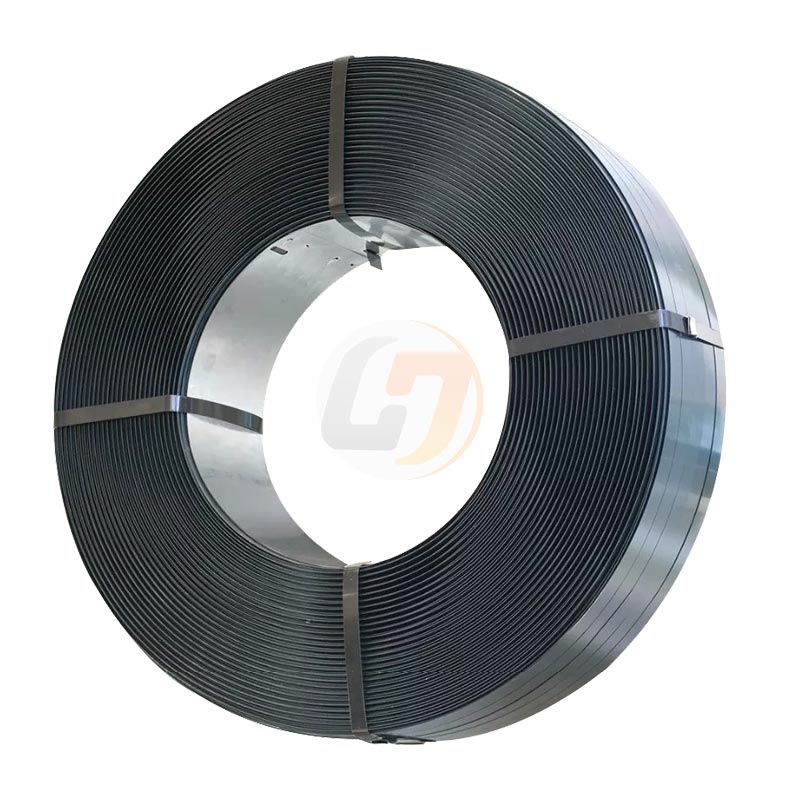
Are you tired of dealing with rusted, weakened strap rolls that compromise your construction projects in the harsh UAE climate? The hardware and export industry faces constant challenges with material durability, especially when it comes to stainless steel components that must withstand extreme temperatures, high humidity, and corrosive coastal environments.
The solution lies in understanding the fundamental differences between SS 201 and SS 304 strap rolls – two of the most commonly used stainless steel grades in construction. Making the wrong choice can lead to premature failure, safety hazards, and costly replacements. This comprehensive guide will help you make an informed decision based on your specific project requirements and budget constraints.
Also read – All Packaging Materials
Understanding the Core Differences: Chemical Composition Matters
The fundamental distinction between SS 201 and SS 304 lies in their chemical composition, which directly impacts their performance in construction applications. SS 304 contains 18% chromium and 8% nickel, making it highly resistant to corrosion and oxidation. SS 201, on the other hand, uses manganese and nitrogen to replace some of the nickel content, resulting in a more cost-effective but less corrosion-resistant alternative.
According to the American Society for Testing and Materials (ASTM), SS 304 meets the A240 standard for chromium and nickel content, ensuring consistent quality across batches. This standardization is crucial for construction projects where material consistency directly affects structural integrity and longevity.
How Strap Rolls Are Made: From Raw Material to Finished Product
Raw Materials
The manufacturing process begins with high-quality raw materials. For SS 304, this includes iron ore, chromium (18%), nickel (8%), and small amounts of carbon, silicon, and manganese. SS 201 uses similar base materials but with reduced nickel content (typically 1-4%) and increased manganese (5.5-7.5%) and nitrogen.
Manufacturing Process
The production of stainless steel strap rolls involves several precision stages:
- Melting and Casting: Raw materials are melted in electric arc furnaces at temperatures exceeding 1700°C, then cast into slabs or billets
- Hot Rolling: The cast material is heated and passed through rolling mills to reduce thickness and achieve the desired gauge
- Cold Rolling: Further thickness reduction occurs at room temperature to improve surface finish and dimensional accuracy
- Annealing: Heat treatment process that relieves internal stresses and restores corrosion resistance
- Slitting and Coiling: The steel sheet is slit into narrow strips and coiled into strap rolls of specific widths
- Surface Treatment: Final processes including pickling, passivation, or coating applications
Key Properties Derived from Manufacturing
The manufacturing process imparts several critical properties:
- Corrosion Resistance: Achieved through proper chromium content and surface passivation
- Tensile Strength: Enhanced through cold working and proper heat treatment
- Ductility: Maintained through controlled annealing processes
- Surface Finish: Determined by rolling precision and final treatment methods
Quality Control
Reputable manufacturers implement rigorous quality control measures including:
- Chemical composition verification through spectrometry
- Dimensional accuracy checks using laser measurement systems
- Surface defect inspection through automated vision systems
- Mechanical property testing (tensile strength, hardness)
- Corrosion resistance validation via salt spray testing
Essential Uses in the UAE Construction Landscape
Strap rolls serve critical functions across various construction applications in the UAE:
Primary Applications
Structural Reinforcement: Used for bundling rebar, securing structural elements, and providing temporary support during concrete pouring. SS 304 is preferred for high-rise buildings and infrastructure projects where long-term corrosion resistance is essential.
Scaffolding and Formwork: Securing scaffolding components and formwork systems. The coastal environment in Dubai and Abu Dhabi demands SS 304 for superior saltwater corrosion resistance.
MEP Installations: Bundling electrical conduits, plumbing pipes, and HVAC ducts. SS 201 may suffice for indoor applications, while SS 304 is mandatory for exterior and high-humidity areas.
Material Handling: Securing construction materials during transport and storage. Both grades are used depending on exposure duration and environmental conditions.
Cost vs Performance: Making the Right Choice
The decision between SS 201 and SS 304 ultimately comes down to balancing performance requirements with budget constraints. SS 201 typically costs 20-30% less than SS 304, making it attractive for temporary applications or interior projects with minimal corrosion exposure.
However, for permanent structural applications, coastal projects, or high-humidity environments common in the UAE, SS 304’s superior corrosion resistance justifies the additional investment. The total cost of ownership often favors SS 304 due to reduced maintenance and replacement frequency.
Top Criteria for Choosing a Reliable Supplier in Dubai
When sourcing strap rolls in Dubai, consider these essential factors:
- Material Certification: Ensure suppliers provide mill test certificates verifying chemical composition and mechanical properties
- Inventory Availability: Choose suppliers with consistent stock of both grades to avoid project delays
- Technical Expertise: Prefer suppliers who understand construction applications and can provide genuine recommendations
- Local Presence: Established local suppliers offer better support, faster delivery, and understanding of regional requirements
- Quality Assurance: Look for suppliers with proper storage facilities and handling procedures to prevent material contamination
Trusted Local Supplier: Lakdawala Trading Co. LLC
For construction professionals in Dubai seeking reliable stainless steel strap rolls, Lakdawala Trading Co. LLC has established itself as a trusted partner for contractors and builders throughout the region. Located in Naif Deria, Dubai, this established company brings decades of experience in supplying quality construction materials.
Lakdawala Trading specializes in a comprehensive range of construction hardware, including Cutting Discs, Measuring Tapes, Hole Saws, and Carbide Inserts. Their expertise extends to stainless steel products, where they maintain extensive inventory of both SS 201 and SS 304 strap rolls to meet diverse project requirements.
The company’s commitment to quality and customer satisfaction has made them the preferred choice for many construction projects across Dubai. Their technical team understands the specific demands of UAE construction environments and provides genuine guidance on material selection. Visit their website at https://www.lakdawalatrading.com/ to explore their complete product range and services.