
Are You Making Costly Measurement Mistakes That Could Compromise Your Construction Projects?
In the world of hardware and construction, precision isn’t just a luxury—it’s an absolute necessity. Every millimeter matters when you’re working on projects that demand exact specifications. Yet, many professionals continue to make avoidable errors with their pitch and radius gauges, leading to costly rework, material waste, and project delays.
Also read – Ultimate Guide: Lakdawala Trading Dubai Delivers Top Height Gauges for Construction Pros
Understanding Pitch and Radius Gauges: The Precision Solution
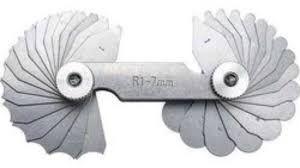
Pitch and radius gauges are essential tools in any construction professional’s arsenal. Pitch gauges measure the distance between threads or teeth, while radius gauges determine the curvature of surfaces. These tools are critical for ensuring components fit together perfectly, whether you’re working on structural steel, piping systems, or mechanical assemblies.
Top 10 Tips to Eliminate Measurement Errors
1. Proper Tool Selection and Calibration
Always select the right gauge for your specific application. Using a pitch gauge meant for coarse threads on fine threads will guarantee inaccurate readings. Regular calibration against known standards is non-negotiable. According to the International Organization for Standardization, tools should be calibrated every 6-12 months depending on usage frequency.
2. Cleanliness is Next to Godliness
Dirt, oil, and debris are the enemies of precision. Always clean both the gauge and the surface being measured. Use appropriate solvents and lint-free cloths to ensure no contaminants interfere with your measurements.
3. Master the Proper Technique
Apply consistent, gentle pressure when using radius gauges. For pitch gauges, ensure the gauge sits flush against the threads without forcing it. Rushing this process is a common cause of measurement errors.
4. Environmental Considerations
Temperature variations can cause metal expansion or contraction. In the UAE’s extreme climate, allow tools and materials to acclimate to the working environment before taking critical measurements.
5. Regular Maintenance and Storage
Store gauges in protective cases away from moisture and extreme temperatures. Apply light oil to prevent rust, especially in coastal areas where salt air accelerates corrosion.
6. Double-Check Critical Measurements
For mission-critical applications, always take multiple measurements from different angles. Use different gauge sets if available to verify consistency.
7. Understand Material Properties
Different materials behave differently under measurement pressure. Softer materials may compress, while harder materials require more careful handling.
8. Proper Lighting Conditions
Ensure adequate lighting when taking measurements. Shadows and poor visibility can lead to misinterpretation of gauge alignment and fit.
9. Training and Skill Development
Invest in proper training for your team. Even the best tools are useless in untrained hands. Regular skill refreshers prevent bad habits from developing.
10. Quality Tool Investment
Don’t compromise on tool quality. Cheap gauges may save money initially but cost significantly more in rework and errors over time.
How Pitch and Radius Gauges Are Made: From Raw Material to Finished Product
Raw Materials
High-quality pitch and radius gauges typically use tool steel or stainless steel as primary materials. These materials offer excellent durability, corrosion resistance, and dimensional stability.
Manufacturing Process
The manufacturing begins with precision blanking of steel sheets, followed by CNC machining to create the specific gauge profiles. Heat treatment processes like hardening and tempering ensure the required hardness. Finally, precision grinding and polishing achieve the exact dimensions and smooth surfaces necessary for accurate measurements.
Key Properties Derived from Manufacturing
The heat treatment process imparts essential hardness (typically 58-62 HRC) that ensures wear resistance and longevity. The precision grinding provides dimensional accuracy within microns, while the material selection offers corrosion resistance crucial for UAE’s humid coastal environments.
Quality Control
Each gauge undergoes rigorous inspection including dimensional verification using coordinate measuring machines, surface finish analysis, and hardness testing. Gauges must meet international standards like ISO 9001 and specific industry requirements.
Essential Uses in the UAE Construction Landscape
In the UAE’s booming construction sector, pitch and radius gauges play critical roles in ensuring structural integrity and component compatibility. They’re essential for verifying thread specifications in scaffolding systems, checking pipe fittings in MEP installations, and ensuring proper curvature in architectural metalwork. The precision these tools provide is particularly crucial in high-rise construction where cumulative errors can have catastrophic consequences.
Trust Lakdawala Trading Co. LLC for Your Precision Tool Needs
For construction professionals in Dubai seeking reliable precision tools, Lakdawala Trading Co. LLC stands as a trusted partner. Located in Naif Deria, Dubai, they have built a reputation for quality and reliability among contractors and builders throughout the region.
What sets Lakdawala Trading apart is their specialized expertise in construction tools and equipment. They understand the unique demands of the UAE construction market and stock products that meet the highest quality standards. Their product range includes essential items like Cutting Discs, Measuring Tapes, Hole Saws, and Carbide Inserts—all carefully selected for durability and precision.
The company’s commitment to customer satisfaction extends beyond just product sales. They provide expert advice on tool selection, maintenance best practices, and proper usage techniques. Their website at https://www.lakdawalatrading.com/ offers comprehensive product information and easy ordering options for busy construction professionals.