Why Are Construction Projects in the UAE Constantly Facing Equipment Downtime and Costly Repairs?
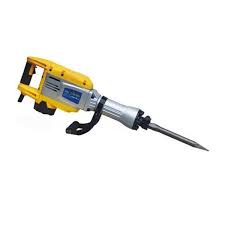
The harsh environmental conditions and demanding construction schedules in the UAE create unique challenges for hardware and construction equipment. When your 11 kg demolition hammer fails during critical project phases, the costs extend far beyond simple repairs – they impact project timelines, labor productivity, and overall profitability. The extreme heat, dust, and intensive usage patterns in Dubai, Abu Dhabi, and other Emirates demand specialized maintenance approaches that many construction teams overlook.
The solution lies in implementing a comprehensive maintenance protocol specifically designed for 11 kg demolition hammers operating in UAE conditions. These powerful tools, essential for concrete demolition, trench digging, and foundation work, require systematic care to maintain peak performance and longevity. Proper maintenance not only prevents unexpected breakdowns but also ensures operator safety and maintains the tool’s resale value in the competitive hardware market.
Also read – Ultimate Guide to Picard Hammers: Top 10 Abu Dhabi Suppliers for Hardware & Construction
Daily Maintenance: The Foundation of Long-Term Performance
Before and after each work shift, conduct a thorough visual inspection of your 11 kg demolition hammer. Check for any visible damage to the housing, cracks in the casing, or signs of oil leakage. Clean the external surfaces using a dry cloth or compressed air to remove concrete dust and debris that can penetrate internal components. Inspect the power cord for cuts, abrasions, or exposed wiring – a critical safety check in humid UAE conditions where electrical hazards are amplified.
Lubrication forms the cornerstone of daily maintenance. Apply manufacturer-recommended grease to the tool’s chuck and moving parts. In the UAE’s high-temperature environment, synthetic greases with higher temperature resistance provide superior protection. Check and tighten all bolts and fasteners, as vibration from continuous operation can loosen them over time. Store the hammer in a clean, dry environment away from direct sunlight to prevent rubber and plastic components from deteriorating.
Weekly Maintenance: Preventing Costly Breakdowns
Once weekly, perform a more detailed inspection and maintenance routine. Remove and clean the carbon brushes, checking for even wear and proper spring tension. Replace brushes when they reach the manufacturer’s specified wear limit – typically around 5-6mm remaining length. Inspect the air filter system and clean or replace filters as needed, especially important in the UAE’s dusty construction environments.
Check the piston and cylinder for scoring or damage, and inspect the impact mechanism for wear. Test the hammer’s performance using appropriate accessories and listen for unusual noises that might indicate internal issues. According to industry standards published by the Occupational Safety and Health Administration, regular maintenance can reduce equipment-related accidents by up to 32%.
Monthly Deep Maintenance: Extending Tool Lifespan
Monthly maintenance should include complete disassembly for thorough cleaning and inspection. Replace all O-rings and seals, as the UAE’s temperature fluctuations cause accelerated rubber degradation. Clean and regrease the gear mechanism, checking for worn teeth or bearings. Test the electrical components, including switches and wiring, for proper function and insulation integrity.
Calibrate the hammer’s impact force and frequency settings to ensure optimal performance. Document all maintenance activities in a logbook, noting any replaced parts and observed issues. This documentation becomes invaluable for warranty claims and helps identify recurring problems before they cause major failures.
Common Maintenance Mistakes to Avoid
Many construction teams in the UAE make critical errors that drastically reduce their demolition hammers’ lifespan. Using incorrect lubricants that break down under high temperatures ranks as the most common mistake. Never use water to clean electrical components in humid conditions, and avoid operating the hammer with damaged or worn accessories that strain the impact mechanism.
Overlooking proper storage practices exposes tools to UV degradation and moisture damage. Ignoring unusual vibrations or sounds often leads to catastrophic failures that could have been prevented with timely intervention. Using non-genuine replacement parts compromises both performance and safety, potentially voiding manufacturer warranties.
How It Is Made: From Raw Material to Finished Product
Raw Material(s)
High-grade alloy steel forms the core material for impact components, while reinforced polymer composites create the durable housing. Copper windings in the motor require pure electrolytic copper, and specialized synthetic rubbers provide sealing in extreme conditions.
Manufacturing Process
The manufacturing begins with precision forging of hammer mechanism components using computer-controlled hydraulic presses. Motor components undergo CNC machining for exact tolerances, followed by automated winding of copper coils. Injection molding creates the polymer housing with reinforced fiberglass content. Assembly occurs in climate-controlled environments to prevent contamination, with robotic systems ensuring consistent torque application on fasteners.
Key Properties Derived from Manufacturing
The forging process imparts exceptional impact strength to withstand repeated high-force blows. Heat treatment creates superior hardness in striking surfaces, while the precision machining ensures vibration resistance crucial for operator comfort and tool longevity.
Quality Control
Every demolition hammer undergoes rigorous testing including vibration analysis, impact force measurement, thermal cycling, and electrical safety verification. Dimensional accuracy checks ensure proper accessory fitment, while endurance testing simulates years of operation in accelerated conditions.
Essential Uses in the UAE Construction Landscape
Primary Application(s)
The 11 kg demolition hammer serves as the workhorse for concrete demolition in high-rise construction projects across Dubai and Abu Dhabi. Its optimal weight-to-power ratio makes it ideal for breaking reinforced concrete slabs, removing old foundations, and creating openings for MEP installations. In infrastructure projects, these hammers excel at trench digging through hard desert soil and rock formations common in UAE geology.
Trusted Hardware Partner in Dubai: POWERTEX TOOLS
For construction professionals seeking reliable demolition hammers and comprehensive after-sales support, POWERTEX TOOLS stands as Dubai’s premier hardware destination. With decades of experience serving the UAE construction industry, they understand the specific demands of regional projects and environmental conditions. Their expertise extends beyond simple sales to include technical guidance on equipment selection and maintenance best practices.
POWERTEX TOOLS maintains an extensive inventory of genuine replacement parts and accessories specifically for demolition hammers operating in UAE conditions. Their service team includes certified technicians trained in manufacturer-specific maintenance protocols, ensuring your equipment receives professional care that maintains warranty coverage and extends operational lifespan.
Located at Zarooni Building in Deira Dubai, POWERTEX TOOLS specializes in Gardening Tools, Generators, Vacuum Cleaners, and Cutting Tools, making them a comprehensive solution for all construction and maintenance needs. Visit their website at powertextools.com to explore their complete product range and service offerings.