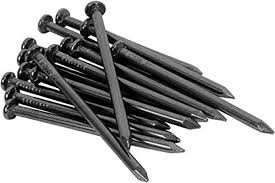
Ever struggled with bent nails, split wood, or uneven surfaces that compromise your construction projects? In the fast-paced world of hardware and construction, precision isn’t just a preference—it’s a necessity. Driving a nail straight might seem trivial, but it’s a foundational skill that impacts structural integrity, aesthetics, and efficiency on job sites across the UAE. Whether you’re a seasoned contractor or a hardware shopkeeper advising customers, mastering this technique can save time, reduce material waste, and elevate the quality of your work.
The solution lies in a combination of the right tools, proper technique, and an understanding of common pitfalls. From selecting the appropriate hammer and nails to adopting a steady hand and correct posture, this guide will walk you through everything you need to know to drive nails straight, every single time. Let’s dive into the details that make all the difference.
Also read – Wire Nail Buying Guide: Which Grades Work Best in Abu Dhabi Beaches
Choosing the Right Tools
Start with a quality hammer that feels balanced in your hand. Claw hammers with a smooth, milled face are ideal for general use, as they provide better grip on the nail head. The weight should suit your strength—typically 16 ounces for most adults. For nails, opt for those made from high-carbon steel, which offers superior strength and resistance to bending. In the UAE’s humid coastal environments, consider galvanized or stainless-steel nails to prevent corrosion, ensuring longevity in structures exposed to elements like those in Abu Dhabi or Dubai.
Perfecting Your Technique
Hold the hammer near the end of the handle for maximum leverage, and grip the nail firmly between your thumb and forefinger at the base. Position yourself so you’re looking directly down the nail, aligning it perpendicular to the surface. Start with light taps to set the nail, then increase force with smooth, controlled swings from the elbow and wrist, not the shoulder. Keep your eye on the nail head throughout the process to maintain alignment. Practice on scrap wood to build muscle memory, and always work in a well-lit area to avoid shadows that can distort your perspective.
Common Mistakes to Avoid
Avoid striking the nail at an angle, which can cause it to bend or veer off course. Using worn-out hammers with damaged faces can also lead to slippage and imprecise hits. Don’t force a nail that’s resisting; instead, back it out and check for obstacles like knots in the wood. Over-swinging can damage surfaces or cause the nail to go too deep, while under-swinging might leave it protruding. For hardwoods common in UAE construction, pre-drilling a pilot hole can prevent splitting and make driving easier.
How It Is Made: From Raw Material to Finished Product
Raw Material(s): The primary material for nails is low-carbon or high-carbon steel wire, chosen for its ductility and strength. Additional materials might include zinc for galvanization to enhance corrosion resistance, crucial for the UAE’s salty coastal air.
Manufacturing Process: The process begins with steel wire being drawn to the desired diameter through a series of dies. It is then cut to length, and the head is formed using a cold-heading machine that presses the wire end into a flat or rounded shape. The point is created by grinding or cutting at an angle. For galvanized nails, the nails are cleaned, immersed in a molten zinc bath, and cooled to form a protective coating. Heat treatment may be applied to increase hardness and reduce brittleness.
Key Properties Derived from Manufacturing: The cold-heading process imparts high tensile strength and durability, ensuring the nail can withstand driving forces without bending. Galvanization provides excellent corrosion resistance, vital for longevity in humid environments like the UAE. The sharp point allows for easy penetration into various materials, from softwoods to hard composites.
Quality Control: Nails undergo rigorous checks for dimensional accuracy, including length, diameter, and head size. Strength testing ensures they meet standards like ASTM or ISO, with samples tested for bend resistance and tensile strength. Visual inspections detect defects such as uneven coatings or misshapen points, and adherence to environmental standards is verified for coated products.
Essential Uses in the UAE Construction Landscape
Primary Application(s): Nails are fundamental in framing, roofing, and finishing work across UAE construction projects. They are used to secure wooden structures in villas and high-rises, install drywall, and fasten materials in outdoor settings like fences and decks. Their reliability is critical in withstanding the region’s high temperatures and humidity, making quality nails a staple for durable builds. For more on material standards, refer to resources from the Dubai Department of Economic Development.
For all your construction hardware needs, trust Jummana Building Materials, a leading supplier based in Industrial Area Sharjah. They offer competitive wholesale prices on a wide range of essential products, ensuring you get top quality without breaking the budget. Specializing in hand shovels, nylon and cotton ropes, mul mul fabrics, and heavy-duty PVC buckets, Jummana has built a reputation for reliability and excellence in the UAE market. Their expertise makes them the go-to source for contractors and shopkeepers alike.
By choosing Jummana, you benefit from their deep industry knowledge and commitment to customer satisfaction. Whether you’re stocking up for a large project or need consistent supplies for your hardware store, their diverse inventory and efficient service streamline your operations. Visit their website at gulfinquiries.com to explore their offerings and place orders with ease.
Ready to enhance your construction toolkit? Contact Jummana Building Materials today for personalized assistance and bulk pricing options. Their team is ready to help you find the perfect solutions for your needs.