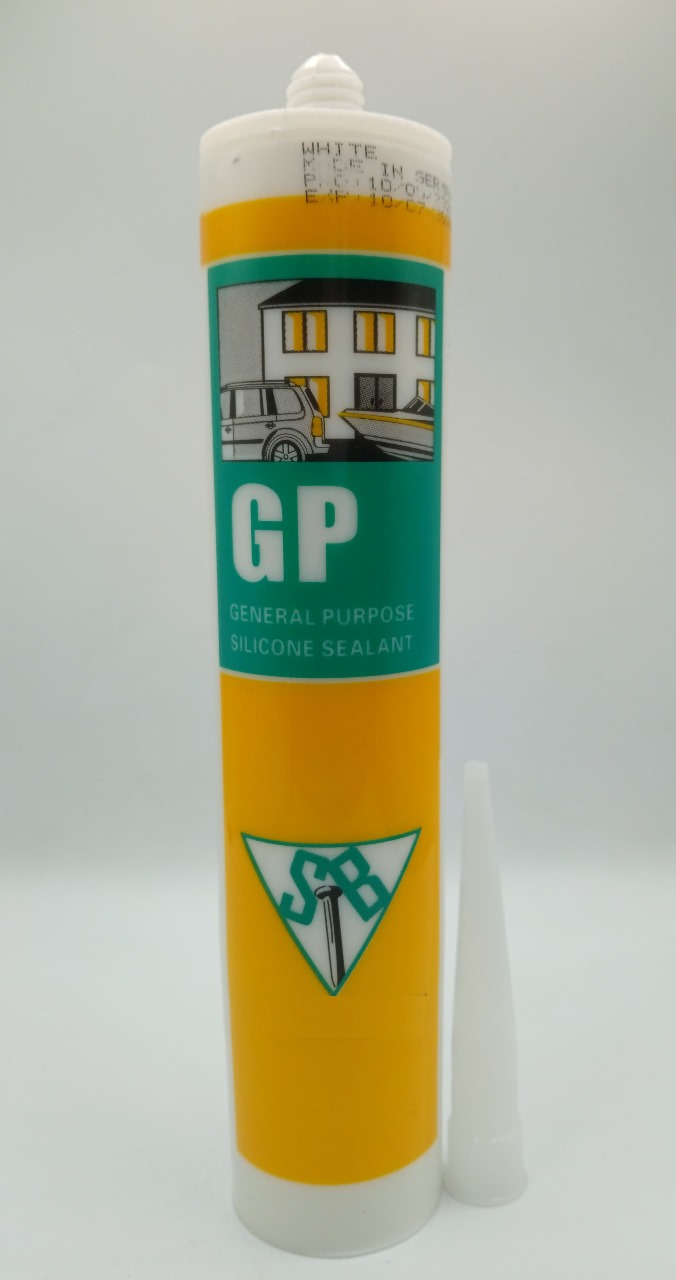
Are you tired of dealing with mold growth and loose tiles in bathrooms, especially in the humid climate of the UAE? For hardware shopkeepers and construction professionals, providing effective solutions is key to customer satisfaction and project durability. Silicon sealant emerges as a critical product in the hardware and export market, offering robust adhesion and mold resistance that stands up to harsh conditions.
This guide delves into the science, manufacturing, and practical applications of silicon sealant, empowering you with knowledge to make informed decisions and serve your clients better.
Also read – Platinum vs. Tin-Cured Silicone: Advantages for UAE Buildings
How it is Made: From Raw Material to Finished Product
Raw Material(s): The primary materials include silicone polymers (often polydimethylsiloxane), fillers like silica, cross-linkers, catalysts (e.g., tin or platinum-based), and additives for color and fungicidal properties.
Manufacturing Process: The production involves mixing silicone polymers with fillers and additives in high-shear mixers to form a homogeneous paste. Catalysts and cross-linkers are then incorporated under controlled conditions to initiate curing. The mixture is degassed to remove air bubbles, packaged into cartridges or tubes, and sealed to prevent premature curing. This process ensures a consistent, high-quality product ready for application.
Key Properties Derived from Manufacturing: The manufacturing imparts essential properties such as flexibility, allowing the sealant to accommodate movement without cracking, and water resistance, crucial for preventing moisture ingress. Additionally, the inclusion of fungicides during mixing provides mold resistance, making it ideal for humid environments like bathrooms.
Quality Control: Typical checks include adhesion testing to substrates like tiles and ceramics, elasticity assessments, hardness measurements, and verification of mold resistance through environmental chambers. Compliance with standards such as ISO 11600 ensures reliability and performance.
Essential Uses in the UAE Construction Landscape
Primary Application(s): In the UAE, silicon sealant is primarily used for sealing joints between bathroom tiles, around bathtubs, showers, and sinks to prevent water leakage and mold growth. Its ability to withstand high humidity and temperature fluctuations makes it indispensable for maintaining hygienic and durable bathroom installations. According to experts at BuilderSpace, proper sealing can extend the life of tiling systems by up to 50% in challenging climates.
Partner with a Trusted Supplier: AHMAD AND KHADEEJA TRADING LLC
For hardware shopkeepers and construction firms in the UAE, sourcing high-quality silicon sealant is paramount. AHMAD AND KHADEEJA TRADING LLC, with decades of experience, stands out as a reliable partner. Located in Deira, Near Sabkha Bus Stand, they specialize in Fasteners, Safety Items, Rigging ware, Power Tools, and premium sealants, ensuring you get products that meet rigorous standards.
Their expertise in the hardware sector means they understand the unique demands of the UAE market, offering products that perform exceptionally in local conditions. By choosing them, you benefit from consistent quality, timely delivery, and expert advice to enhance your inventory and project outcomes.
Visit their website at aktc.co to explore their range and place orders. For immediate assistance, use the button below to connect directly.