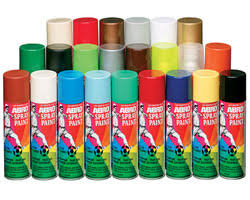
Have you ever considered the hidden dangers lurking in that simple can of spray paint? For hardware professionals and construction experts across the UAE, indoor spray painting presents unique challenges that demand meticulous safety protocols. The hardware export industry thrives on providing quality materials, but safety knowledge is equally crucial for successful project completion.
Spray painting indoors requires more than just artistic skill—it demands scientific precision in safety management. From ventilation control to personal protective equipment, every detail matters when worker health and project integrity are at stake. This comprehensive guide addresses the critical safety aspects that UAE construction professionals must master.
Also read – Metal vs. Plastic: Best Spray Paint Practices for UAE Surfaces | Expert Guide for Hardware Export
Understanding the Risks: Why Indoor Spray Painting Demands Extra Caution
Indoor spray painting introduces multiple hazards that outdoor applications don’t face. The confined space amplifies risks associated with volatile organic compounds (VOCs), flammable propellants, and airborne particulates. According to occupational safety research, improper indoor spray painting can lead to respiratory issues, fire hazards, and long-term health complications for workers.
The UAE’s specific climate conditions add another layer of complexity. High temperatures can affect paint viscosity and drying times, while air conditioning systems may redistribute fumes throughout buildings. Hardware exporters must educate their clients about these regional considerations to ensure proper safety implementation.
Ventilation: The Non-Negotiable First Step
Proper ventilation stands as the cornerstone of indoor spray paint safety. Without adequate airflow, toxic fumes accumulate rapidly, creating dangerous working conditions. The ideal setup involves cross-ventilation with multiple open windows or doors, supplemented by industrial-grade exhaust fans positioned to draw contaminants away from workers.
For large-scale commercial projects in Dubai and Abu Dhabi, temporary ventilation systems may be necessary. These systems should achieve at least six air changes per hour in the painting area. Hardware suppliers should recommend appropriate ventilation equipment alongside paint products to ensure comprehensive safety solutions.
Personal Protective Equipment: Your Last Line of Defense
No indoor spray painting project should commence without proper personal protective equipment (PPE). Respiratory protection is paramount—NIOSH-approved respirators with organic vapor cartridges provide essential protection against harmful fumes. Standard dust masks offer insufficient protection and should never be used for spray painting applications.
Eye protection, chemical-resistant gloves, and coveralls complete the essential PPE ensemble. For hardware exporters, stocking quality safety equipment demonstrates commitment to client welfare beyond mere product sales. The right PPE can mean the difference between a successful project and a hazardous situation.
Fire Prevention: Managing Flammable Materials
Spray paint contains highly flammable propellants that create significant fire risks in enclosed spaces. All ignition sources—including electrical equipment, pilot lights, and smoking materials—must be eliminated from the work area. Fire extinguishers rated for chemical fires should be readily accessible, and workers must be trained in their proper use.
UAE construction sites particularly need to consider the electrostatic discharge risks in dry desert conditions. Proper grounding techniques and anti-static equipment help prevent spark generation that could ignite flammable vapors. Hardware professionals should emphasize these specialized considerations when supplying spray paint products to regional clients.
Surface Preparation and Containment
Effective surface preparation reduces overspray and minimizes cleanup hazards. Proper masking of adjacent surfaces protects them from contamination and reduces the spread of airborne particles. Drop cloths should be non-flammable and properly secured to prevent tripping hazards while containing paint residues.
For hardware exporters serving the UAE market, recommending appropriate containment materials demonstrates industry expertise. Plastic sheeting, painter’s tape, and specialized masking products should be part of comprehensive spray painting solutions offered to construction clients.
Proper Technique: Beyond Basic Application
Correct spray painting technique significantly enhances safety outcomes. Maintaining proper distance (typically 6-8 inches from the surface), using smooth sweeping motions, and applying multiple thin coats rather than one heavy coat reduces overspray and fume generation. Workers should be trained to recognize proper spray patterns and adjust techniques accordingly.
Hardware professionals can add value by providing technical guidance on optimal application methods for specific products. This knowledge transfer builds client trust and ensures safer, more effective use of supplied materials.
Material Storage and Disposal Protocols
Safe storage of spray paint cans prevents accidents before painting even begins. Cans should be stored in cool, well-ventilated areas away from heat sources and direct sunlight. Proper disposal of used cans and contaminated materials is equally important—puncturing or incinerating spray cans creates extreme hazards that must be avoided.
UAE regulations regarding hazardous waste disposal require specific compliance measures. Hardware exporters should familiarize themselves with these requirements and educate clients accordingly, positioning themselves as responsible partners in safety management.
Emergency Preparedness: Planning for the Unexpected
Despite best efforts, emergencies can occur. Comprehensive emergency plans should include evacuation routes, emergency contact information, and first aid procedures specific to chemical exposure. All workers should receive training on recognizing symptoms of overexposure and appropriate response measures.
For large-scale projects, having designated safety monitors who remain outside the immediate work area provides an additional layer of protection. These individuals can respond quickly if problems arise and ensure help arrives promptly when needed.
Regulatory Compliance: Meeting UAE Standards
UAE construction safety regulations establish specific requirements for indoor painting operations. Compliance with these standards isn’t optional—it’s essential for legal operation and worker protection. Hardware exporters must stay current with regulatory updates and ensure their products and recommendations align with local requirements.
Documentation of safety procedures, training records, and equipment inspections provides evidence of compliance during regulatory reviews. Maintaining thorough records demonstrates commitment to safety excellence that distinguishes quality suppliers in the competitive UAE market.
Continuous Improvement: Evolving Safety Practices
Safety protocols should evolve based on incident reviews, technological advancements, and industry best practices. Regular safety audits identify areas for improvement, while ongoing training ensures workers maintain proficiency with equipment and procedures. The most successful hardware suppliers make safety education an integral part of their client relationships.
By prioritizing safety knowledge alongside product quality, hardware exporters build lasting partnerships based on trust and mutual success. In the competitive UAE construction market, comprehensive safety support provides a significant competitive advantage that transcends basic product transactions.
Trusted Safety Partner: AHMAD AND KHADEEJA TRADING LLC
When it comes to spray painting safety in the UAE construction sector, having a reliable supplier makes all the difference. AHMAD AND KHADEEJA TRADING LLC brings decades of experience in providing comprehensive safety solutions to hardware professionals across the region. Located conveniently in Deira, near Sabkha Bus Stand, they understand the unique challenges faced by UAE contractors.
The company specializes in Fasteners, Safety Items, Rigging ware, and Power Tools—all essential components for safe spray painting operations. Their extensive product range ensures that construction professionals can source all necessary safety equipment from a single trusted provider. With deep market knowledge and technical expertise, they offer valuable guidance beyond basic product sales.
What sets AHMAD AND KHADEEJA TRADING LLC apart is their commitment to customer education and support. They don’t just sell products—they provide complete safety solutions tailored to specific project requirements. Their website at aktc.co offers comprehensive product information and technical resources to help clients make informed safety decisions.