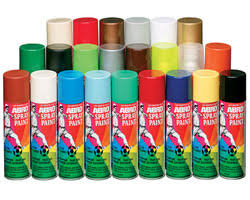
Have you ever faced the frustrating challenge of removing stubborn spray paint from valuable construction materials or customer surfaces? For hardware shopkeepers and construction professionals dealing with hardware export, this common problem can mean the difference between satisfied customers and costly replacements. The UAE’s harsh climate conditions make spray paint removal particularly challenging, requiring specialized knowledge and products that many general hardware suppliers overlook.
Effective spray paint removal isn’t just about cleaning surfaces – it’s about preserving material integrity, maintaining professional standards, and ensuring customer satisfaction in the competitive construction hardware market. Whether you’re dealing with accidental overspray, graffiti removal, or surface preparation for recoating, having the right techniques and products can significantly impact your business reputation and bottom line.
Also read – Metal vs. Plastic: Best Spray Paint Practices for UAE Surfaces | Expert Guide for Hardware Export
Understanding Spray Paint Chemistry and Surface Compatibility
Spray paint consists of three main components: pigments for color, resins as binding agents, and solvents that keep the mixture liquid until application. The specific formulation varies significantly between brands and types, affecting removal difficulty. Oil-based enamels common in industrial applications form extremely durable finishes, while acrylic and latex paints used in artistic applications may be easier to remove but can penetrate porous surfaces deeply.
Surface compatibility is crucial when selecting removal methods. Concrete and masonry surfaces can withstand aggressive chemical strippers and mechanical methods, while delicate metals like aluminum or finished wood require gentler approaches to prevent damage. The UAE’s high temperatures and humidity levels can accelerate paint curing, making timely removal even more critical for successful results.
Chemical Removal Methods: Choosing the Right Solvent
Chemical paint removers work by breaking down the bonds between paint molecules and the underlying surface. For hardware exporters, stocking the right chemical solutions means understanding your customers’ specific needs. Methylene chloride-based strippers offer fast action but require careful handling due to toxicity concerns. Citrus-based and biodegradable options provide safer alternatives with longer working times ideal for delicate surfaces.
Application technique matters as much as product selection. Thick applications of paste-style removers prevent evaporation in the UAE’s heat, while gel formulations work better on vertical surfaces. Always test chemical removers on inconspicuous areas first, and ensure proper ventilation – a critical consideration in enclosed construction sites and workshops across the region.
Mechanical Removal Techniques: When to Use Physical Methods
For large-scale removal projects or surfaces that can’t tolerate chemicals, mechanical methods offer effective alternatives. Pressure washing works well for exterior concrete and masonry, especially when combined with specialized detergents. Sandblasting provides industrial-grade removal but requires professional equipment and expertise to avoid surface damage.
Heat guns and infrared paint removers soften paint for easy scraping, particularly effective on wood surfaces where chemical penetration could cause long-term issues. For metal surfaces common in UAE construction, abrasive methods like sanding discs and wire brushes on angle grinders deliver fast results but require skill to avoid gouging or thinning the base material.
Specialized Solutions for Common UAE Construction Materials
The UAE’s construction landscape features unique material challenges. Glass and ceramic tiles on building facades require non-abrasive methods to maintain transparency and finish. Powder-coated aluminum used extensively in window frames and cladding needs gentle chemical approaches that won’t damage the factory finish underneath the graffiti.
Natural stone surfaces in luxury developments demand pH-neutral cleaners to prevent etching or discoloration. For the concrete structures dominating UAE infrastructure, poultice methods using specialized removers covered with plastic sheeting can draw paint out of porous surfaces without aggressive scrubbing that might compromise structural appearance.
Safety Considerations and Environmental Compliance
Spray paint removal involves significant health and environmental considerations. Proper personal protective equipment including respirators, gloves, and eye protection is non-negotiable. In the UAE’s regulated environment, disposal of paint residues and contaminated materials must follow local environmental guidelines to avoid penalties.
Ventilation requirements become particularly important in the region’s hot climate where enclosed spaces can quickly become hazardous. Hardware exporters should provide comprehensive safety information with every paint removal product, including Arabic translations to ensure proper understanding across diverse workforces.
Prevention Strategies: Reducing the Need for Removal
The most effective removal strategy is often prevention. Stocking protective masking materials, drop cloths, and surface barriers can help customers avoid overspray issues altogether. For surfaces likely to experience graffiti, carrying anti-graffiti coatings creates easily cleanable surfaces that save time and resources long-term.
Educating customers about proper spray techniques and surface preparation reduces callbacks and complaints. Simple practices like maintaining proper spray distance, using even strokes, and applying multiple thin coats instead of single heavy applications can prevent many common paint problems that require removal.
Top 10 Mistakes to Avoid in Spray Paint Removal
1. Using the wrong solvent for the paint type, causing incomplete removal or surface damage2. Skipping surface testing, leading to unexpected reactions or permanent damage3. Insufficient dwell time for chemical removers, especially in hot UAE conditions4. Over-aggressive mechanical methods that scar or thin base materials5. Poor ventilation during chemical application, creating health hazards6. Ignoring manufacturer instructions for dilution ratios and application methods7. Failing to protect adjacent surfaces from runoff or splatter8. Using contaminated tools that reintroduce paint particles to cleaned areas9. Inadequate personal protective equipment risking chemical exposure10. Improper disposal of removed paint and contaminated materials
Why Choose AHMAD AND KHADEEJA TRADING LLC for Your Paint Removal Needs
When it comes to reliable spray paint removal solutions for the hardware and construction sectors, AHMAD AND KHADEEJA TRADING LLC stands as a trusted partner with decades of experience serving the UAE market. Located conveniently in Deira near Sabkha Bus Stand, our extensive product knowledge and commitment to quality make us the preferred supplier for professionals who demand results.
Our specialization in Fasteners, Safety Items, Rigging ware, and Power Tools gives us unique insight into the challenges faced by construction professionals. We understand that effective paint removal isn’t just about having the right chemicals – it’s about providing comprehensive solutions that include proper safety equipment, application tools, and expert guidance tailored to UAE conditions.
Visit our website at aktc.co to explore our complete range of paint removal products and professional equipment. Our team combines traditional trading values with modern technical expertise to deliver solutions that work in real-world UAE construction environments. From small hardware shops to major construction projects, we provide the products and support needed to tackle any spray paint removal challenge effectively.