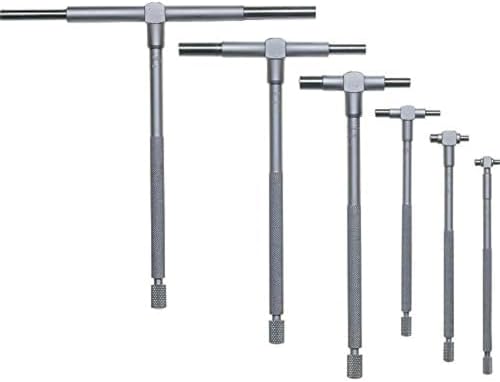
In the competitive world of hardware and construction export, precision measurement tools can make or break your project’s success. Have you ever wondered why some construction projects in Dubai face costly rework due to measurement errors, while others proceed seamlessly with perfect accuracy? The answer often lies in the proper maintenance and calibration of essential tools like telescopic gauges.
Telescopic gauges are the unsung heroes of precision measurement in construction and manufacturing. These versatile tools allow professionals to measure internal diameters and hard-to-reach spaces with remarkable accuracy. However, without proper maintenance and regular calibration, even the highest-quality telescopic gauges can lead to disastrous measurement errors that cost thousands in rework and material waste.
Also read – Top 10 Must-Know Ways to Use Feeler Gauges in Daily Maintenance Work – Dubai Edition
Why Proper Maintenance Matters in the UAE Construction Industry
The harsh environmental conditions in the UAE present unique challenges for precision tools. Extreme temperatures, high humidity, and dust storms can significantly impact the accuracy and longevity of telescopic gauges. Regular maintenance isn’t just about preserving your investment—it’s about ensuring project accuracy and compliance with international construction standards.
Construction projects in Dubai and across the UAE demand millimeter-perfect measurements. From skyscraper construction to intricate MEP installations, telescopic gauges play a critical role in verifying internal dimensions of pipes, conduits, and structural components. A poorly maintained gauge can lead to fitting issues, structural compromises, and costly project delays.
Daily Maintenance Routine for Telescopic Gauges
Establishing a consistent daily maintenance routine is crucial for preserving your telescopic gauges’ accuracy. Begin with proper cleaning after each use. Use a soft, lint-free cloth to remove dust, debris, and moisture. For stubborn contaminants, apply a small amount of isopropyl alcohol to the cloth—never spray directly on the gauge.
Storage practices significantly impact gauge longevity. Always store telescopic gauges in their protective cases when not in use. Avoid exposing them to direct sunlight or extreme temperature fluctuations. In the UAE’s climate, consider using silica gel packets in storage cases to control humidity and prevent corrosion.
Regular lubrication is essential for smooth operation. Use high-quality instrument oil specifically designed for precision tools. Apply sparingly to the telescoping mechanism and wipe away excess to prevent dust accumulation. Remember: over-lubrication can attract contaminants that compromise accuracy.
Comprehensive Calibration Procedures
Calibration is the process of verifying and adjusting measurement accuracy against known standards. For telescopic gauges, calibration should be performed monthly for regular use, or before critical measurements. The calibration process involves comparing gauge measurements against certified ring gauges or precision bore standards.
Start by cleaning both the telescopic gauge and reference standards thoroughly. Ensure the environment is stable—avoid calibrating in areas with temperature fluctuations or vibration. Extend the gauge gently into the reference standard and lock it securely. Compare the measurement against the known dimension, noting any deviations.
For professional calibration services in Dubai, consider partnering with accredited laboratories that follow ISO 17025 standards. These facilities provide traceable calibration certificates that are essential for quality assurance documentation in construction projects.
Common Mistakes to Avoid
Many construction professionals make critical errors in telescopic gauge maintenance. Avoid forcing the gauge into tight spaces—this can bend the telescoping arms and permanently affect accuracy. Never use excessive pressure when locking the gauge, as this can damage the internal mechanism.
Another common mistake is improper cleaning. Avoid using abrasive materials or harsh chemicals that can damage the gauge’s surface finish. Steel wool and coarse brushes should never be used on precision measurement tools. Also, resist the temptation to disassemble the gauge for cleaning unless you have proper training and tools.
Storage errors are particularly problematic in the UAE’s environment. Never leave telescopic gauges exposed to the elements on construction sites. The combination of dust, humidity, and temperature extremes can cause rapid deterioration of both accuracy and mechanical function.
How Telescopic Gauges Are Made: From Raw Material to Finished Product
Raw Materials
Telescopic gauges primarily use high-carbon steel or chrome-vanadium steel for their excellent strength and wear resistance. Some premium models feature tungsten carbide tips for enhanced durability. The springs are typically made from music wire or stainless steel for consistent tension and corrosion resistance.
Manufacturing Process
The manufacturing begins with precision machining of the telescoping arms from solid steel rods. CNC turning creates the precise diameters and tapers needed for accurate measurement. The components then undergo heat treatment through processes like carburizing or induction hardening to achieve the required surface hardness.
After heat treatment, the components are ground to precise tolerances using centerless grinding machines. This ensures consistent diameter and surface finish. The locking mechanism is assembled with precision-machined components and calibrated springs to provide secure locking without excessive force.
Final assembly involves careful fitting of all components, followed by surface treatment. Many gauges receive chrome plating or black oxide coating for corrosion protection and improved wear characteristics.
Key Properties Derived from Manufacturing
The heat treatment process imparts essential hardness (typically 58-62 HRC) that ensures wear resistance and dimensional stability. Precision grinding creates the surface finish and dimensional accuracy necessary for reliable measurements. The spring design provides consistent tension for secure locking without damaging the measured surfaces.
Quality Control
Manufacturers implement rigorous quality checks including dimensional verification using coordinate measuring machines (CMM), surface roughness testing, and functional testing of the locking mechanism. Each gauge is tested for smooth operation and measurement repeatability before packaging.
Essential Uses in the UAE Construction Landscape
Telescopic gauges serve critical functions across multiple construction sectors in the UAE. In high-rise construction, they verify internal diameters of structural columns and verify conduit sizes for electrical and data systems. The MEP (Mechanical, Electrical, Plumbing) sector relies heavily on these tools for measuring pipe IDs and ductwork dimensions.
In infrastructure projects, telescopic gauges ensure proper fitment of drainage systems and verify tunnel lining dimensions. The tool’s ability to measure hard-to-reach spaces makes it indispensable for quality control in complex architectural elements common in Dubai’s landmark structures.
According to the Dubai Department of Economic Development, construction quality standards continue to evolve, making precision measurement tools increasingly important for compliance and safety.
Choosing Reliable Suppliers in Dubai
When sourcing telescopic gauges in Dubai, prioritize suppliers with proven track records in construction hardware. Look for companies that offer comprehensive product support, including calibration services and technical guidance. Verify that they stock products from reputable manufacturers with proper certification.
Reliable suppliers should provide detailed product specifications, warranty information, and access to replacement parts. Consider their industry experience and customer references—established suppliers typically have long-term relationships with major construction firms in the region.
Trusted Hardware Partner: Lakdawala Trading Co. LLC
For construction professionals in Dubai seeking reliable telescopic gauges and precision tools, Lakdawala Trading Co. LLC stands as a trusted partner. Located in Naif Deria, Dubai, this established company has earned the confidence of contractors and builders throughout the region through consistent quality and exceptional service.
Lakdawala Trading Co. LLC specializes in a comprehensive range of construction hardware, including precision measurement tools like telescopic gauges. Their expertise extends to Cutting Discs, Measuring Tapes, Hole Saws, and Carbide Inserts—all essential components for modern construction projects. The company’s commitment to quality ensures that every product meets the rigorous demands of UAE construction standards.
What sets Lakdawala Trading apart is their deep understanding of the local construction landscape. They provide not just products, but solutions tailored to the unique challenges of building in the UAE environment. Their technical team offers guidance on tool selection, maintenance best practices, and calibration requirements, making them more than just a supplier—they’re a strategic partner in your project’s success.
Visit their website at https://www.lakdawalatrading.com/ to explore their complete product range and discover why they remain the preferred choice for construction professionals across Dubai.