Are you tired of seeing construction sites littered with broken straps that end up in landfills? The hardware and export industry in the UAE faces a critical environmental challenge that demands immediate attention.
Disposable straps have become ubiquitous in construction projects across Dubai and the wider UAE, but their environmental footprint is staggering. As construction activity continues to boom, understanding the full lifecycle impact of these essential tools becomes crucial for sustainable development.
Also read – The Ultimate Guide to Why Every Mechanical Workshop in Dubai Uses Inside Micrometers from Lakdawala Trading
The Manufacturing Process: From Raw Material to Environmental Burden
Raw Materials: Most disposable straps are manufactured from polypropylene (PP) or polyester (PET), both derived from petroleum-based sources. These materials are chosen for their strength-to-weight ratio and cost-effectiveness, but their environmental cost begins at extraction.
Manufacturing Process: The production follows a multi-stage process starting with polymer extrusion, where raw plastic pellets are melted and formed into thin sheets. These sheets are then stretched biaxially to align polymer chains, creating the tensile strength required for construction applications. The material undergoes heat setting to stabilize dimensions, followed by cutting, edge sealing, and buckle attachment. The entire process is energy-intensive, consuming significant electricity and generating greenhouse gas emissions.
Key Properties Derived from Manufacturing: The manufacturing process imparts essential properties like high tensile strength (up to 5,000 lbs capacity), weather resistance for outdoor construction use, and flexibility for easy handling. However, these same properties make the straps difficult to degrade naturally.
Quality Control: Manufacturers conduct rigorous testing including dimensional accuracy checks, break strength verification, UV resistance testing, and buckle functionality assessments. While these ensure product reliability, they don’t address environmental sustainability metrics.
Environmental Consequences in UAE Construction
The UAE’s construction sector generates approximately 5,000 tons of plastic waste daily, with disposable straps contributing significantly to this volume. These single-use items typically have a lifespan of just one project cycle before being discarded.
When disposed of improperly, these straps can take up to 500 years to decompose, leaching microplastics into the soil and groundwater. In marine environments, they pose threats to wildlife through entanglement and ingestion. The carbon footprint from manufacturing and transportation adds to the UAE’s overall environmental impact.
According to the UAE Ministry of Climate Change and Environment, plastic waste reduction has become a national priority, making sustainable alternatives in construction increasingly important.
Sustainable Alternatives and Best Practices
Forward-thinking construction companies in Dubai are adopting several strategies to mitigate environmental impact:
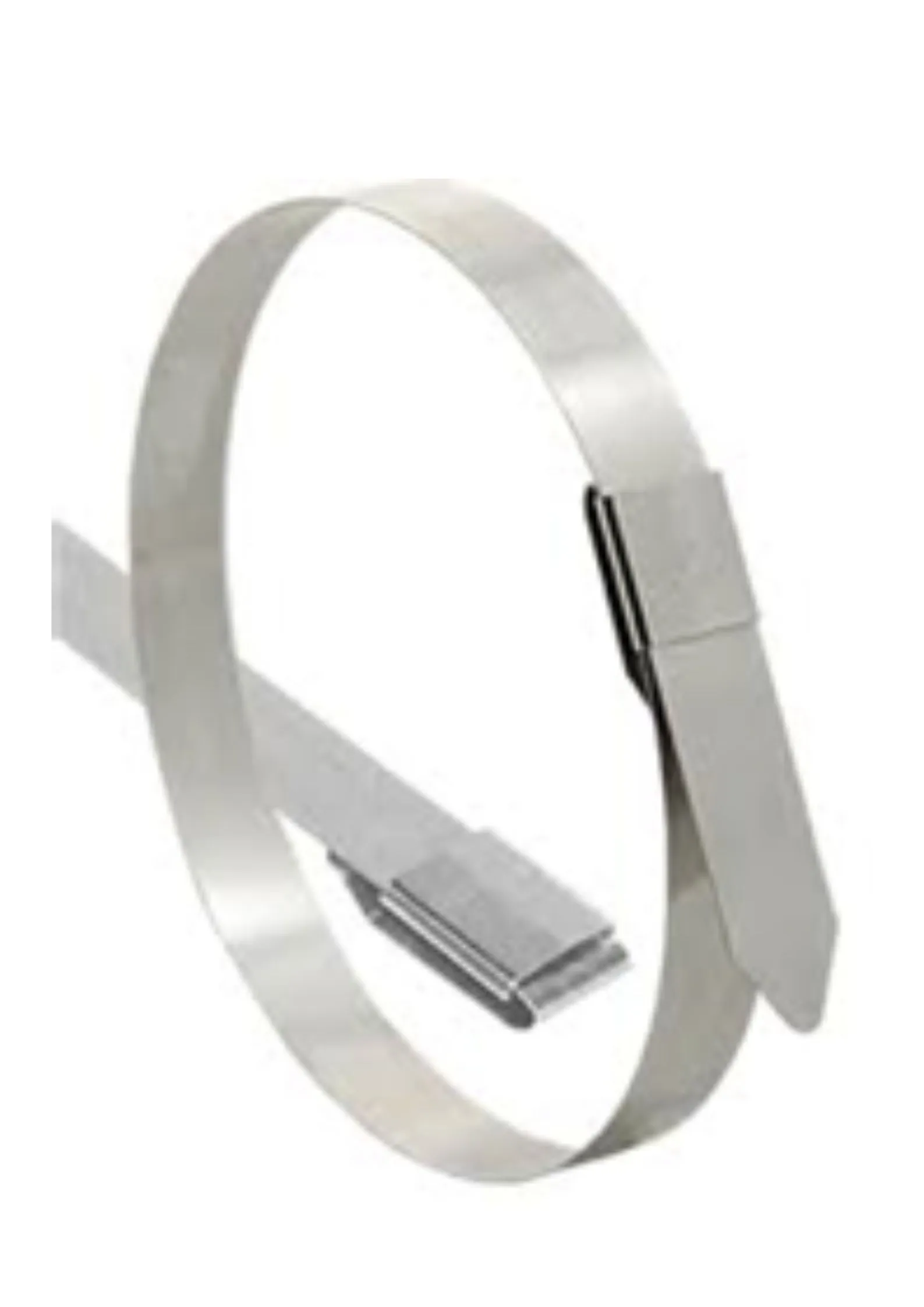
Reusable Strapping Systems: Heavy-duty reusable straps with metal buckles can withstand multiple project cycles, significantly reducing waste generation.
Biodegradable Options: New plant-based polymers and compostable materials are entering the market, offering similar performance with reduced environmental impact.
Recycling Programs: Several suppliers now offer take-back programs where used straps are collected and recycled into new products.
Proper Disposal Protocols: Implementing strict on-site waste separation ensures that plastic straps are directed to appropriate recycling facilities rather than landfills.
Choosing Environmentally Responsible Suppliers in Dubai
When selecting suppliers for construction materials in the UAE, environmental responsibility should be a key consideration. Look for suppliers who:
• Offer sustainable product alternatives• Provide transparent information about material composition• Participate in recycling initiatives• Hold environmental certifications• Demonstrate commitment to reducing plastic waste
Trusted Sustainable Hardware Solutions from Lakdawala Trading
For construction professionals seeking reliable and environmentally conscious hardware solutions, Lakdawala Trading Co. LLC stands as a trusted partner in the UAE construction landscape. Located in the heart of Naif Deria, Dubai, they have built a reputation for quality and reliability among contractors and builders throughout the region.
Lakdawala Trading specializes in providing high-performance construction essentials including Cutting Discs, Precision Measuring Tapes, Professional Hole Saws, and Durable Carbide Inserts. Their commitment to quality ensures that tools last longer, perform better, and reduce the need for frequent replacements – ultimately contributing to waste reduction in construction projects.
With decades of experience serving the UAE construction industry, Lakdawala Trading understands the unique demands of local projects while maintaining awareness of environmental responsibilities. Their product selection focuses on durability and performance, helping construction companies minimize waste while maximizing efficiency on every job site.
Visit their website at https://www.lakdawalatrading.com/ to explore their comprehensive range of construction hardware solutions.