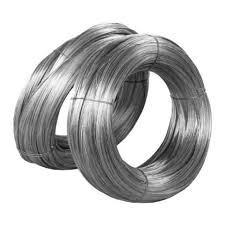
Are you tired of construction delays caused by inferior binding wire that snaps under pressure? In the fast-paced world of UAE construction, where skyscrapers reach for the clouds and infrastructure projects transform landscapes, the humble binding wire plays a crucial role that often goes unnoticed until it fails. For hardware shopkeepers and construction professionals, selecting the right binding wire isn’t just about cost—it’s about structural integrity, project timelines, and ultimately, reputation.
The solution lies in understanding what makes quality binding wire and how to source it reliably. As Dubai continues its remarkable construction boom, with projects like Expo 2020 legacy developments and ambitious urban expansions, the demand for construction hardware has never been higher. Binding wire, specifically designed for securing reinforcement bars in concrete structures, forms the invisible skeleton that holds our modern infrastructure together.
Also read – Why Is Binding Wire Essential for UAE’s Construction Industry?
How Binding Wire is Made: From Raw Material to Finished Product
Raw Materials: The Foundation of Quality
Quality binding wire begins with high-grade low-carbon steel wire rod, typically containing 0.06% to 0.15% carbon content. The specific composition determines the wire’s tensile strength and flexibility. Reputable manufacturers often use IS 280 (Indian Standard) or equivalent international standards as their benchmark for raw material selection. The diameter of the raw wire rod usually ranges from 5.5mm to 6.5mm, which will be drawn down to the final binding wire sizes commonly used in construction.
Manufacturing Process: Precision Engineering
The transformation from raw steel rod to finished binding wire involves several critical stages. First, the wire rod undergoes acid pickling to remove surface impurities and scale. This is followed by rinsing and drying to prepare the surface for drawing. The drawing process involves pulling the wire through progressively smaller dies to reduce its diameter to the required size—typically 0.8mm to 1.6mm for construction applications.
After drawing, the wire undergoes annealing—a heat treatment process that relieves internal stresses and improves ductility. This is crucial for binding wire, which needs to be flexible enough to tie securely without breaking. The annealing temperature typically ranges between 900°C to 950°C, followed by controlled cooling. Finally, the wire is galvanized or coated for corrosion resistance, especially important in UAE’s coastal environment where salt air can accelerate rusting.
Key Properties Derived from Manufacturing
The manufacturing process imparts three essential properties that determine binding wire performance. Tensile strength is achieved through controlled drawing and annealing, typically ranging from 350-550 N/mm². Flexibility and ductility result from proper annealing, allowing the wire to be twisted multiple times without breaking. Corrosion resistance comes from galvanizing or other coating processes, critical for UAE’s humid coastal conditions where untreated steel can deteriorate rapidly.
Quality Control: Ensuring Reliability
Reputable manufacturers implement rigorous quality checks throughout production. Dimensional accuracy is verified using micrometer gauges, ensuring consistent diameter. Tensile strength testing confirms the wire can withstand required loads without breaking. Twist tests evaluate ductility by twisting the wire around itself multiple times. Surface quality inspection checks for consistent galvanizing and absence of defects. Additionally, packaging quality ensures the wire reaches construction sites in perfect condition, typically in 40-50kg bundles with proper labeling indicating gauge, grade, and manufacturer details.
Essential Uses in the UAE Construction Landscape
Binding wire serves as the invisible backbone of UAE’s construction industry, with primary applications that are critical to structural integrity. The main use involves tying reinforcement bars (rebar) in concrete structures—from foundation work to high-rise columns and beams. Proper tying ensures rebar maintains its position during concrete pouring, preventing shifting that could compromise structural strength. In bridge construction, binding wire secures the complex rebar matrices that support massive loads.
Another significant application is in pre-cast concrete element production, where binding wire temporarily holds reinforcement in molds until concrete sets. The wire’s flexibility allows workers to quickly secure rebar intersections while its strength maintains positioning under concrete pressure. Additionally, binding wire finds use in scaffolding reinforcement and temporary structural supports during construction phases.
Top Criteria for Choosing a Reliable Supplier in Dubai
Selecting the right binding wire supplier in Dubai requires careful evaluation of several factors. Quality certification is paramount—look for suppliers who provide material test certificates and comply with international standards like ISO, ASTM, or BS. Consistent supply chain ensures you never face project delays due to material shortages. Technical support from knowledgeable representatives can help select the right wire gauge and type for specific applications.
Local market experience is invaluable—suppliers who understand UAE’s unique construction requirements and environmental challenges can recommend appropriate products. Competitive pricing without compromising quality helps maintain project budgets. Finally, logistics capability ensures timely delivery to construction sites across the Emirates, from Abu Dhabi’s urban developments to Ras Al Khaimah’s growing infrastructure projects.
Why Jummana Building Materials Stands Out
For hardware shopkeepers and construction professionals seeking reliable binding wire suppliers, Jummana Building Materials has established itself as a trusted partner in the UAE construction industry. Located in the Industrial Area of Sharjah, they have built their reputation on consistent quality and competitive wholesale pricing that meets the demands of both large-scale contractors and smaller hardware distributors.
What sets Jummana apart is their comprehensive understanding of construction material requirements in the Gulf region. Their specialization extends beyond binding wire to include essential construction tools and materials that complement any project needs. They particularly excel in providing quality HAND SHOVELs for site preparation, durable NYLON AND COTTON ROPE for various construction applications, MUL MUL for specialized finishing work, and heavy-duty PVC BUCKETs that withstand rigorous site conditions.
The company’s commitment to customer service is evident in their responsive approach to client needs. Whether you’re supplying materials for a high-rise in Dubai Marina or infrastructure projects in Al Ain, Jummana Building Materials ensures you receive the right products with the technical support to use them effectively. Their website at gulfinquiries.com provides easy access to their complete product range and simplifies the ordering process for busy professionals.