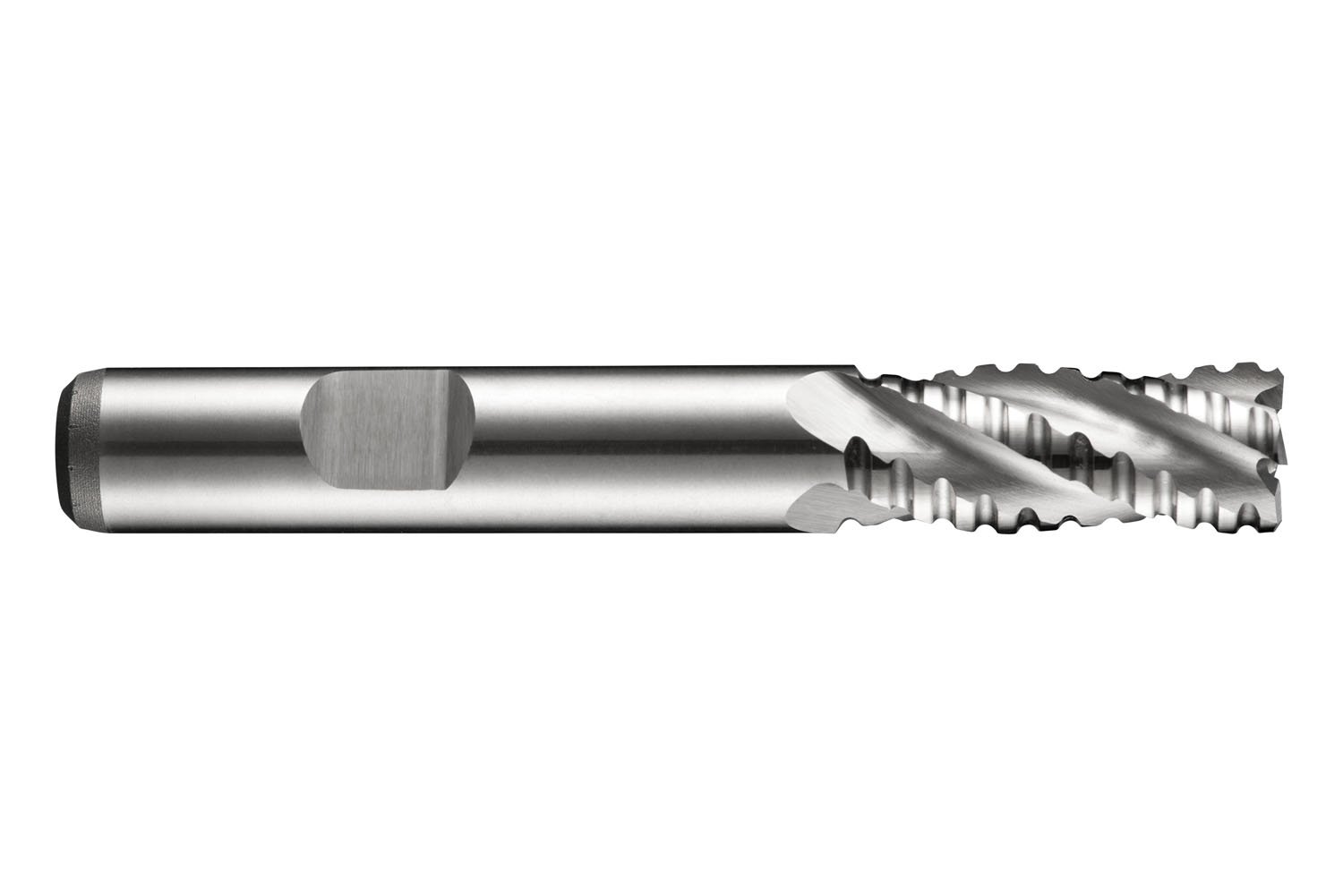
Are you tired of seeing your roughing cutters fail prematurely, costing your construction business valuable time and money? In the demanding UAE construction landscape, where hardware export and import play crucial roles in project success, understanding proper roughing cutter usage can make or break your machining operations.
Roughing cutters are essential tools in any machinist’s arsenal, designed to remove large amounts of material quickly and efficiently. However, many professionals in the UAE construction sector make critical mistakes that lead to reduced tool life, poor surface finish, and increased operational costs. Let’s explore the top 10 mistakes and how to avoid them.
Also read – Ultimate Guide: Top 10 Ways to Reduce Wear and Tear of Endmills in UAE Workshops
1. Incorrect Speed and Feed Rates
One of the most common mistakes machinists make is using improper speed and feed rates. In the UAE’s harsh climate, where temperatures can affect material properties, setting the wrong parameters can lead to premature tool wear or breakage. Always consult manufacturer recommendations and adjust for local conditions.
2. Poor Tool Selection for Material Type
Choosing the wrong roughing cutter for specific materials is a frequent error. Construction projects in the UAE often involve diverse materials from aluminum to hardened steel. Using a cutter designed for soft materials on hard steel will result in rapid deterioration and poor performance.
3. Inadequate Coolant Application
Many machinists underestimate the importance of proper coolant application. In the UAE’s hot environment, heat buildup can be extreme. Insufficient cooling leads to thermal cracking, reduced tool life, and potential workpiece damage.
4. Incorrect Depth of Cut
Setting either too shallow or too deep cuts can cause problems. Shallow cuts lead to rubbing instead of cutting, while excessive depths can overload the tool and machine. Finding the optimal depth is crucial for efficient material removal.
5. Neglecting Tool Maintenance
Regular maintenance is often overlooked. Dull or damaged cutters should be sharpened or replaced promptly. Continuing to use compromised tools affects not only the current job but can damage the machine spindle over time.
6. Improper Workholding
Inadequate workholding causes vibration and chatter, leading to poor surface finish and reduced tool life. Ensure workpieces are securely clamped and supported to minimize deflection during machining operations.
7. Wrong Tool Path Strategies
Using inefficient tool paths wastes time and wears tools unnecessarily. Modern CAM software offers optimized roughing strategies that maintain constant chip load and reduce tool stress.
8. Ignoring Chip Evacuation
Poor chip evacuation is particularly problematic in deep pocket machining. Recutting chips not only damages the tool but also affects surface quality. Proper chip clearing is essential for optimal performance.
9. Incorrect Tool Extension
Using excessive tool extension increases vibration and reduces rigidity. Keep tools as short as possible while maintaining necessary clearance for the specific operation.
10. Lack of Proper Training
Many mistakes stem from insufficient training. Investing in proper education for machinists pays dividends through improved efficiency, reduced tool costs, and better quality work.
How Roughing Cutters Are Made: From Raw Material to Finished Product
Raw Material(s)
High-quality roughing cutters typically use premium high-speed steel (HSS), cobalt steel, or solid carbide as primary materials. Some advanced versions may incorporate titanium nitride or other coatings for enhanced performance.
Manufacturing Process
The manufacturing process begins with material selection and cutting to size. For HSS cutters, the process involves forging or rolling to achieve the basic shape, followed by precision grinding of flutes and cutting edges. Carbide cutters undergo a different process starting with powder metallurgy, where tungsten carbide powder is mixed with cobalt binder, pressed into shape, and sintered at high temperatures. The cutting edges are then ground to precise geometries using diamond wheels. Finally, advanced coatings like TiN, TiCN, or AlTiN are applied through physical vapor deposition (PVD) processes.
Key Properties Derived from Manufacturing
The manufacturing process imparts essential properties including high hardness for wear resistance, toughness to withstand cutting forces, and thermal stability to maintain performance at elevated temperatures. The specific geometry of roughing cutters is designed to break chips into manageable pieces and reduce cutting forces.
Quality Control
Quality control involves dimensional accuracy checks using coordinate measuring machines, material composition verification, hardness testing, cutting edge inspection under magnification, and performance testing on sample materials. Manufacturers follow international standards like ISO 9001 to ensure consistent quality.
Essential Uses in the UAE Construction Landscape
Primary Application(s)
In the UAE construction sector, roughing cutters are primarily used for machining structural steel components, aluminum window and door frames, concrete formwork components, and various metal fixtures. They play a crucial role in fabricating custom architectural elements, structural supports, and mechanical components for large-scale projects including skyscrapers, bridges, and infrastructure developments. The ability to quickly remove large amounts of material makes them indispensable in meeting the tight deadlines common in UAE construction projects.
Your Trusted Partner for Quality Machining Tools
For construction professionals and hardware suppliers in the UAE seeking reliable roughing cutters and machining tools, AL MIFTHAAH BUILDING & CONSTRUCTION MATERIALS TRADING CO LLC stands as your trusted partner. Located in the heart of Al Fahidi Bur Dubai, this established company has built a reputation for supplying high-quality tools that meet the demanding requirements of UAE construction projects.
AL MIFTHAAH specializes in comprehensive tooling solutions including ABRASIVES, DRILLING TOOLS, MACHINE TOOLS ACCESSORIES, and MILLING TOOLS from trusted international brands. Their extensive inventory ensures that construction companies and workshops have access to the right tools for every application, whether working with structural steel, aluminum, or other construction materials common in UAE projects.
The company’s commitment to quality is evident in their careful selection of products that offer optimal performance in the challenging UAE climate. Their technical expertise helps customers choose the right roughing cutters for specific applications, avoiding the common mistakes discussed in this article. With their strategic location in Dubai, they serve clients across the UAE with efficient delivery and reliable support.
AL MIFTHAAH BUILDING & CONSTRUCTION MATERIALS TRADING CO LLC
Address: Al Fahidi Bur Dubai U.A.E
Website: https://almifthaahbacmtrading.com/