
Are you tired of wasting money on cutting tools that don’t deliver the precision and durability your construction projects demand? In the competitive world of hardware export and construction, having the right tools can make or break your project’s success and profitability.
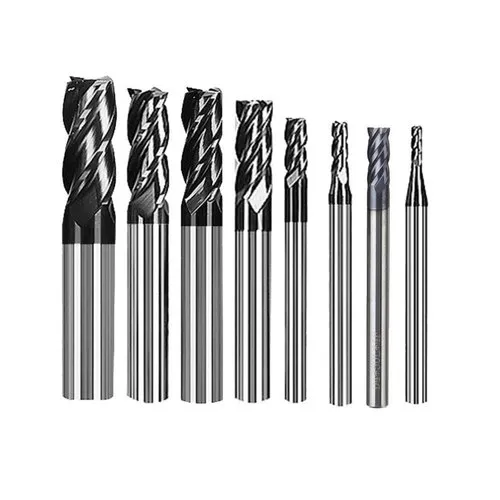
High-Speed Steel (HSS) endmills represent the solution to achieving precise, efficient milling operations across various construction materials. These versatile cutting tools have become indispensable in modern construction workflows, offering the perfect balance of performance, durability, and cost-effectiveness for professionals in the hardware industry.
Also read – Ultimate Guide: Drilling Tips for Precise Holes in Jewelry Making for Hardware & Construction Pros
Understanding HSS Endmills: The Basics
HSS endmills are rotary cutting tools designed for milling operations in various materials. Unlike standard drill bits, endmills can cut in multiple directions, making them ideal for creating slots, profiles, and complex shapes. The term “High-Speed Steel” refers to the specialized alloy steel used in their manufacture, which maintains its hardness even at elevated temperatures generated during high-speed cutting operations.
These tools are particularly valuable in construction applications where precision machining of metal components, aluminum frames, and structural elements is required. According to industry standards from organizations like the American Society of Mechanical Engineers, proper tool selection can improve machining efficiency by up to 40% while reducing material waste.
How HSS Endmills Are Made: From Raw Material to Finished Product
Raw Materials
The primary materials used in HSS endmill manufacturing include tungsten, molybdenum, chromium, vanadium, and cobalt alloys. These elements are carefully selected and proportioned to create steel that can withstand high temperatures while maintaining cutting edge sharpness. The specific composition varies by manufacturer and intended application, with premium grades containing higher percentages of cobalt and vanadium for enhanced performance.
Manufacturing Process
The manufacturing of HSS endmills involves several critical stages:
- Material Preparation: High-speed steel bars are cut to required lengths and heated to specific temperatures for optimal machining characteristics
- CNC Machining: Computer-controlled machines shape the endmill blanks, creating the flutes, cutting edges, and shank geometry with micron-level precision
- Heat Treatment: The machined endmills undergo hardening through quenching and tempering processes to achieve the desired Rockwell hardness (typically HRC 62-67)
- Surface Treatment: Many endmills receive surface coatings like titanium nitride (TiN) or titanium aluminum nitride (TiAlN) to enhance wear resistance and reduce friction
- Quality Inspection: Each endmill undergoes rigorous testing for dimensional accuracy, hardness, and cutting performance
Key Properties Derived from Manufacturing
The manufacturing process imparts several essential properties:
- High Temperature Resistance: The heat treatment process enables the endmills to maintain hardness at cutting temperatures up to 600°C
- Wear Resistance: Proper hardening and surface coatings provide exceptional resistance to abrasion and edge wear
- Toughness: The balanced alloy composition and heat treatment create tools that can withstand impact and vibration during milling operations
Quality Control
Manufacturers implement comprehensive quality control measures including dimensional verification using coordinate measuring machines (CMM), hardness testing, visual inspection for surface defects, and performance testing on sample materials. Compliance with international standards like ISO 9001 ensures consistent quality across production batches.
Essential Uses in the UAE Construction Landscape
In the UAE’s dynamic construction sector, HSS endmills serve critical functions across multiple applications:
Aluminum Window and Door Fabrication: The extensive use of aluminum in UAE construction requires precise milling of profiles and frames. HSS endmills excel at machining aluminum components for modern architectural designs.
Structural Steel Modification: During construction and renovation projects, HSS endmills are used for modifying steel beams, creating connection points, and preparing structural elements for welding.
Custom Fixture Manufacturing: From specialized brackets to custom hardware components, HSS endmills enable construction workshops to create precise custom parts on-demand.
Maintenance and Repair Operations: For ongoing building maintenance, these tools are essential for modifying existing metal structures and creating replacement parts.
Step-by-Step Guide to Using HSS Endmills
Step 1: Proper Tool Selection
Begin by selecting the appropriate endmill type for your material and operation. Consider flute count (2-flute for aluminum, 4-flute for steel), coating type, and cutting diameter. For construction applications, coated HSS endmills typically offer the best balance of performance and tool life.
Step 2: Machine Setup and Tool Holding
Ensure your milling machine is properly calibrated and maintained. Use quality tool holders with minimal runout to maximize tool performance and lifespan. Proper collet selection and tightening are crucial for vibration-free operation.
Step 3: Determining Cutting Parameters
Calculate appropriate speeds and feeds based on material type and tool diameter. For HSS endmills in aluminum, start with surface speeds of 60-120 m/min, while for steel, reduce to 20-40 m/min. Always refer to manufacturer recommendations and adjust based on actual cutting conditions.
Step 4: Workpiece Preparation and Securing
Properly secure your workpiece using vises, clamps, or fixtures to prevent movement during milling. Ensure adequate clearance for tool paths and consider using backing material when machining through-holes or thin sections.
Step 5: Executing the Cut
Begin with conservative depth of cut and stepover values, typically 0.5-1 times the tool diameter. Use climb milling whenever possible for better surface finish and tool life. Maintain consistent chip load to prevent tool damage and ensure efficient material removal.
Step 6: Cooling and Lubrication
Implement appropriate cooling strategies. For aluminum, use air blast or mist coolant to prevent chip welding. For steel, flood coolant is recommended to control heat and extend tool life. Always ensure proper chip evacuation to prevent re-cutting and tool damage.
Step 7: Monitoring and Maintenance
Regularly inspect cutting edges for wear and damage. Listen for unusual sounds that may indicate improper cutting conditions. Implement a tool maintenance schedule including proper storage and occasional re-sharpening by qualified professionals.
Common Mistakes to Avoid
- Using incorrect speeds and feeds for the material being machined
- Insufficient workpiece clamping leading to vibration and poor surface finish
- Neglecting proper cooling and chip evacuation
- Continuing to use dull or damaged endmills
- Inadequate tool holder maintenance causing excessive runout
Top Criteria for Choosing a Reliable Supplier in Dubai
When sourcing HSS endmills in the UAE market, consider these essential factors:
- Product Quality and Certification: Ensure suppliers provide genuine, certified products from reputable manufacturers with proper documentation
- Technical Expertise: Choose suppliers with knowledgeable staff who can provide proper application guidance and technical support
- Inventory Availability: Reliable suppliers maintain adequate stock levels to meet project timelines and emergency requirements
- After-Sales Support: Look for suppliers offering warranty coverage, return policies, and ongoing technical assistance
- Industry Reputation: Check customer reviews, industry references, and track record in serving construction professionals
Trusted Partner for Your Construction Tool Needs
For construction professionals in the UAE seeking reliable HSS endmills and other essential tools, AL MIFTHAAH BUILDING & CONSTRUCTION MATERIALS TRADING CO LLC stands as a trusted partner. Located in the heart of Al Fahidi Bur Dubai, this established company has built a reputation for supplying high-quality construction tools and materials to the industry.
The company specializes in comprehensive tool solutions including ABRASIVES, DRILLING TOOLS, MACHINE TOOLS ACCESSORIES, and MILLING TOOLS. Their commitment to quality ensures that every HSS endmill they supply meets the rigorous demands of UAE construction applications, providing consistent performance and extended tool life that professionals can depend on.
What sets AL MIFTHAAH apart is their dedication to customer service and technical expertise. Their team understands the specific challenges faced by construction professionals in the region and provides personalized recommendations based on project requirements and material specifications. Visit their website at https://almifthaahbacmtrading.com/ to explore their complete product range and discover how they can support your construction tool needs.