Are you tired of dealing with damaged threads, inaccurate cuts, and safety hazards when working with threaded bars? The hardware and construction export industry demands precision and safety in every project, making proper threaded bar handling essential for success.
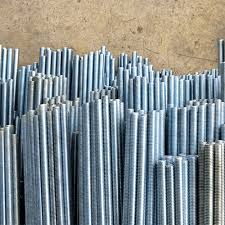
Threaded bars, also known as threaded rods or all-thread, serve as critical components in construction projects across the UAE. From securing structural elements to creating adjustable connections, these versatile fasteners require careful handling to maintain their integrity and ensure project safety.
Also read – The Ultimate Guide to Choosing the Right Threaded Rod for Your Project: From DIY to Heavy-Duty
Essential Safety Equipment for Threaded Bar Work
Before you even touch a threaded bar, proper personal protective equipment (PPE) is non-negotiable. Construction sites in the UAE’s harsh climate demand enhanced safety measures. Essential PPE includes ANSI-approved safety glasses with side shields to protect against metal fragments, heavy-duty work gloves to prevent cuts from sharp threads, and hearing protection when using power tools. For cutting operations, a face shield provides additional protection against flying debris. Steel-toed boots and appropriate work clothing complete your safety ensemble.
Proper Cutting Techniques: Step-by-Step Guide
Cutting threaded bars requires precision and the right approach to maintain thread integrity. Begin by marking your cut line clearly using a permanent marker or center punch. Secure the bar firmly in a vise, using protective jaws to prevent thread damage. For manual cutting, a high-quality hacksaw with a bi-metal blade designed for metal cutting provides the best results. Maintain steady, even pressure and let the saw do the work—forcing the cut can damage both the blade and the threads.
For power cutting, an angle grinder with a cutting disc offers speed and efficiency. Always ensure the grinder has a proper guard and use both hands for control. Make your cut slightly beyond the marked line to allow for finishing. After cutting, use a file to remove any burrs or sharp edges, preserving the thread functionality.
Thread Protection and Maintenance
The threads represent the most critical part of any threaded bar. During cutting and handling, always use thread protectors or cap nuts to prevent damage. If threads become slightly damaged during cutting, a thread file or die can restore them to proper condition. For storage and transportation, keep threaded bars separated and protected from impacts that could compromise the threads.
Installation Best Practices
Proper installation begins with correct alignment and preparation. Clean both the threaded bar and receiving threads thoroughly to remove any debris or corrosion. Apply appropriate lubricant unless specified otherwise by the manufacturer. For critical structural applications, consider using ASTM-compliant thread lubricants that won’t compromise the connection strength.
When tightening, use calibrated torque wrenches and follow manufacturer specifications for proper tension. Avoid over-tightening, which can strip threads or cause stress fractures. For applications requiring precise tension, consider using turn-of-nut methods or direct tension indicators.
Common Mistakes to Avoid
Many construction professionals make avoidable errors when working with threaded bars. Never use a torch for cutting, as the heat can alter the metal properties and compromise strength. Avoid using pipe wrenches or other tools that can damage threads during installation. Don’t mix different thread standards or materials unless specifically designed for compatibility. Always verify that your cutting tools are sharp and appropriate for the specific bar material.
UAE-Specific Considerations
The UAE’s unique environmental conditions demand special attention when working with threaded bars. High temperatures can affect metal expansion and contraction, while coastal projects face additional corrosion challenges from salt exposure. Always select materials appropriate for your specific location and application. For coastal areas, stainless steel or hot-dip galvanized threaded bars provide superior corrosion resistance.
Quality Assurance and Inspection
Regular inspection of both tools and materials ensures ongoing safety and quality. Check cutting tools for wear and damage before each use. Inspect threaded bars for straightness, thread integrity, and surface condition. For critical applications, implement a formal quality control process that includes documentation of material certifications and installation records.
Trusted Supplier for Your Construction Needs
When it comes to reliable hardware and construction materials in the UAE, AHMAD AND KHADEEJA TRADING LLC stands as a trusted partner for construction professionals. With decades of experience serving the Dubai construction industry, they have built a reputation for quality and reliability that contractors depend on for their most important projects.
Specializing in fasteners, safety items, rigging ware, and power tools, AHMAD AND KHADEEJA TRADING LLC understands the specific needs of the UAE construction market. Their extensive product knowledge ensures that customers receive not only quality products but also expert advice on proper selection and application. Located conveniently in Deira near Sabkha Bus Stand, they serve contractors across the Emirates.
The company’s commitment to quality is evident in their carefully curated inventory of threaded bars and related hardware. Whether you’re working on a high-rise construction in Dubai Marina or an industrial project in Jebel Ali, their team provides the expertise and products needed to ensure project success. Visit their website at aktc.co to explore their complete product range and discover why they remain the preferred choice for construction professionals throughout the UAE.