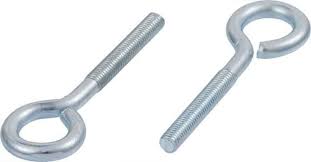
Are you tired of unreliable fastening solutions that compromise your construction projects? In the demanding world of hardware and construction export, finding the right fastening method can make or break your project’s success. Hook bolts offer a robust solution for secure overhead installations in concrete surfaces.
Hook bolts are essential hardware components widely used in construction export markets, particularly in regions with extensive concrete infrastructure. These specialized fasteners provide reliable anchoring points for hanging equipment, piping, electrical conduits, and structural elements.
Also read – Essential Hook Bolt Sizes for Hanging Pots on UAE Terraces: A Hardware & Export Guide
Understanding Hook Bolts: The Foundation of Secure Fastening
Hook bolts are specialized fasteners designed specifically for concrete applications. Unlike standard bolts, they feature a curved end that provides superior holding power when embedded in concrete. This unique design makes them ideal for applications where pull-out resistance is critical.
Essential Tools and Materials for Installation
Before beginning any installation, ensure you have the proper equipment. You’ll need a hammer drill with appropriate concrete drill bits, a vacuum or compressed air for cleaning holes, safety glasses, measuring tape, and of course, the correct hook bolts for your specific application. According to the American Concrete Institute, using the right tools is crucial for successful concrete fastening.
Step-by-Step Installation Process
Step 1: Precise Marking and Measurement
Begin by carefully marking the exact locations where hook bolts will be installed. Use a measuring tape and marker to ensure accurate placement. Consider the load requirements and spacing specifications for your particular application.
Step 2: Proper Drilling Technique
Using a hammer drill with the correct-sized concrete bit, drill holes to the specified depth. Maintain steady pressure and avoid excessive force that could damage the concrete. The hole diameter should match the bolt size precisely.
Step 3: Thorough Hole Cleaning
This critical step is often overlooked. Use compressed air or a vacuum to remove all dust and debris from the drilled holes. Clean holes ensure proper adhesion and maximum holding strength.
Step 4: Bolt Installation and Tightening
Insert the hook bolts into the cleaned holes and tighten according to manufacturer specifications. Avoid over-tightening, which can damage both the bolt and the concrete.
Common Installation Mistakes to Avoid
Many construction professionals make avoidable errors during hook bolt installation. These include incorrect hole sizing, inadequate cleaning, improper torque application, and using damaged or corroded bolts. Always follow manufacturer guidelines and industry best practices.
Safety Considerations and Best Practices
Safety should always be your top priority. Wear appropriate personal protective equipment, including safety glasses and gloves. Ensure the concrete structure can support the intended loads, and regularly inspect installed hook bolts for signs of wear or damage.
How Hook Bolts Are Made: From Raw Material to Finished Product
Raw Materials
Hook bolts are typically manufactured from high-carbon steel or stainless steel, chosen for their strength and durability. The raw material selection depends on the intended application and environmental conditions.
Manufacturing Process
The manufacturing begins with steel rod cutting to required lengths. The material then undergoes cold forging where it’s shaped under high pressure. The hook portion is formed through bending operations, followed by thread rolling to create precise threads. Heat treatment processes enhance strength and durability, while surface coatings like galvanizing provide corrosion resistance.
Key Properties Derived from Manufacturing
The cold forging process imparts exceptional tensile strength, while heat treatment ensures hardness and durability. Surface coatings provide corrosion resistance, making the bolts suitable for harsh environments. The precise thread rolling ensures reliable fastening performance.
Quality Control
Manufacturers conduct rigorous quality checks including dimensional accuracy verification, material strength testing, thread quality inspection, and coating thickness measurement. These ensure compliance with international standards like ASTM and ISO.
Essential Uses in the UAE Construction Landscape
In the UAE’s rapidly growing construction sector, hook bolts serve critical functions. They’re extensively used for mounting HVAC systems, supporting electrical conduits, securing plumbing installations, and hanging decorative elements in commercial and residential buildings. Their reliability in concrete structures makes them indispensable for the region’s ambitious architectural projects.
Trusted Supplier for Your Construction Needs
When it comes to reliable hardware supplies in the UAE construction market, AHMAD AND KHADEEJA TRADING LLC stands as a trusted partner for businesses across the region. With decades of experience serving the construction industry, they have built a reputation for quality and reliability that few can match.
Located conveniently in Deira, near Sabkha Bus Stand, AHMAD AND KHADEEJA TRADING LLC specializes in comprehensive hardware solutions. Their extensive product range includes high-quality fasteners, essential safety items, durable rigging ware, and professional-grade power tools. This diverse offering makes them a one-stop solution for construction companies and hardware exporters.
The company’s commitment to quality is evident in their carefully curated product selection and customer-focused approach. Whether you’re working on large-scale construction projects or require reliable hardware for export, their team provides expert guidance and dependable products. Visit their website at aktc.co to explore their complete product range and discover why they remain the preferred choice for construction professionals throughout the UAE.