
Posted on Leave a comment

Ultimate Guide: How to Reduce Chatter While Using Roughing Endmills in Construction

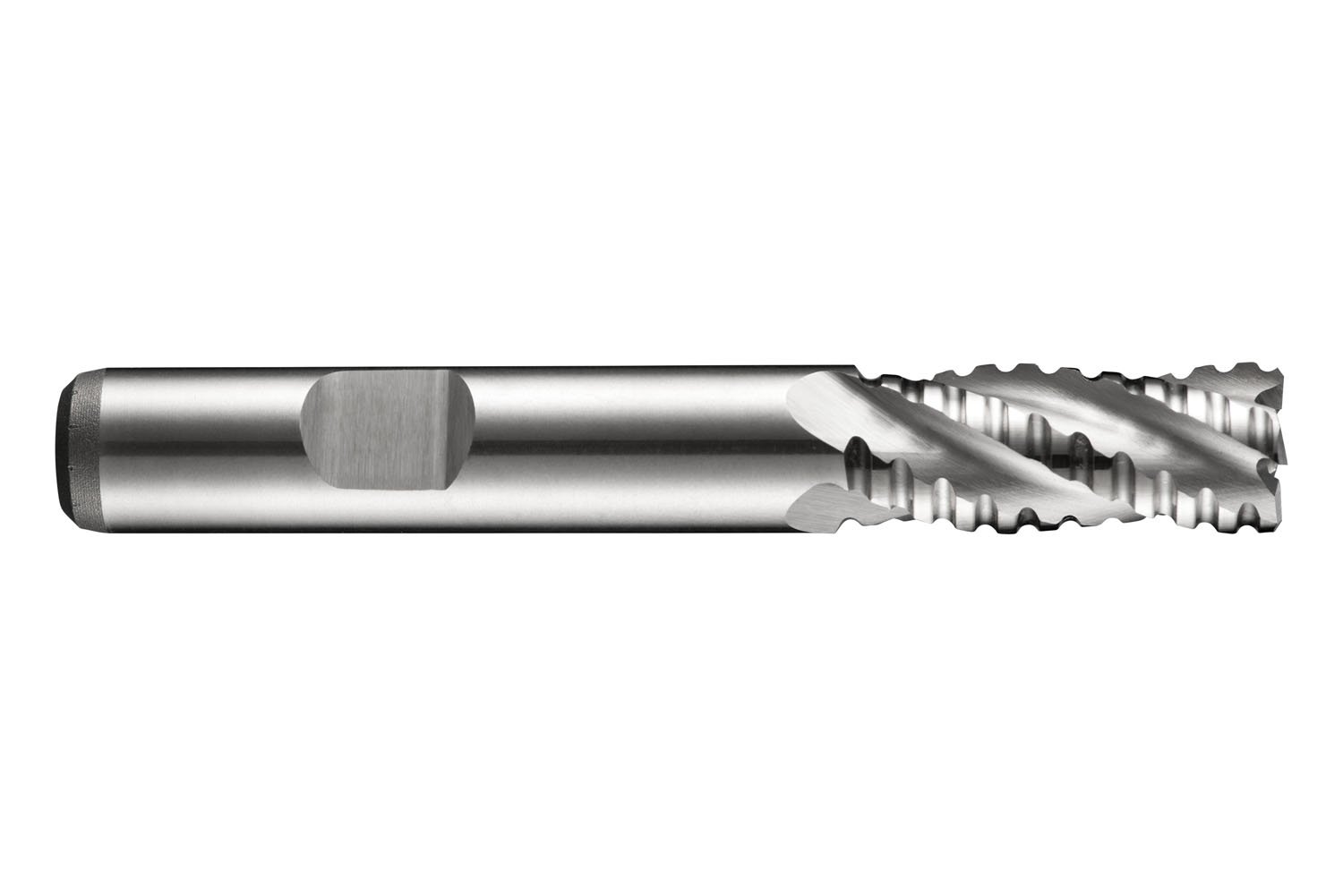
How to reduce chatter while using roughing endmills

Are you tired of that annoying vibration and poor surface finish ruining your machining operations? Chatter isn’t just an inconvenience—it’s costing you time, money, and tool longevity in your construction projects.

For hardware professionals and construction experts across the UAE, understanding how to eliminate chatter while using roughing endmills is crucial for maintaining project timelines and quality standards. The right approach to chatter reduction can transform your milling operations from problematic to perfectly precise.

Also read – Ultimate Guide: The Critical Role of Endmills in UAE Aerospace & Defense Projects

Understanding Chatter: The Silent Productivity Killer

Chatter occurs when the cutting tool and workpiece enter into a self-excited vibration during machining operations. This phenomenon creates those telltale wavy patterns on machined surfaces and significantly reduces tool life. In the demanding construction environment of the UAE, where precision and efficiency are paramount, chatter can derail entire projects.

The primary causes of chatter include improper tool selection, incorrect cutting parameters, inadequate machine rigidity, and poor workpiece clamping. Each of these factors contributes to the vibration cycle that characterizes chatter, leading to suboptimal results and increased operational costs.

Tool Selection: Your First Line of Defense

Choosing the right roughing endmill is your most effective strategy against chatter. Variable helix and variable pitch designs have revolutionized chatter reduction by breaking up the harmonic frequencies that cause vibration. These advanced geometries ensure that cutting forces are distributed more evenly throughout the machining process.

According to research from the Sandvik Coromant technical library, variable pitch endmills can reduce chatter by up to 90% compared to conventional tools. The irregular spacing between cutting edges prevents the buildup of resonant frequencies, making them particularly effective for challenging materials commonly used in UAE construction projects.

Optimizing Cutting Parameters: The Science Behind Stable Machining

Proper adjustment of cutting parameters represents the most immediate solution to chatter problems. The relationship between spindle speed, feed rate, and depth of cut forms the foundation of stable machining operations. Understanding this relationship allows operators to identify and avoid the resonant frequencies that trigger chatter.

Start by reducing the radial depth of cut while maintaining or increasing axial depth. This approach distributes cutting forces more effectively and minimizes the engagement area that can initiate vibration. Modern CNC controllers often include chatter detection algorithms that can automatically adjust parameters in real-time, providing an additional layer of protection against vibration issues.

Machine Rigidity and Workholding: Building a Stable Foundation

No amount of tool optimization can compensate for inadequate machine rigidity or poor workholding. In construction applications, where large workpieces are common, ensuring proper support and clamping is essential. The massive infrastructure projects across Dubai and Abu Dhabi demand machining setups that can handle substantial components without compromising precision.

Regular maintenance of machine tools, including checking spindle bearings and way surfaces, maintains the rigidity needed to prevent chatter. Additionally, using dedicated fixtures and vises specifically designed for construction materials ensures that workpieces remain stable throughout the machining process.

Advanced Techniques for Extreme Conditions

For particularly challenging applications, several advanced techniques can provide additional chatter resistance. Tool overhang should be minimized whenever possible, as excessive length dramatically reduces tool stiffness. Using the largest possible tool diameter for the application also contributes to improved stability.

In high-performance scenarios common in UAE construction projects, consider implementing trochoidal milling strategies. This technique uses circular tool paths with consistent engagement, distributing cutting forces evenly and eliminating the sharp direction changes that often initiate chatter.

How Roughing Endmills Are Made: From Raw Material to Finished Product

Raw Material(s)

Premium roughing endmills begin with high-speed steel (HSS), cobalt steel, or solid carbide blanks. For construction applications in the UAE’s demanding environment, carbide substrates with specialized coatings provide the durability needed for abrasive materials.

Manufacturing Process

The manufacturing process involves precision grinding of the flute geometry, heat treatment for hardness, and application of specialized coatings. Advanced CNC grinding machines create the complex variable helix and pitch geometries that make modern roughing endmills so effective at chatter reduction.

Key Properties Derived from Manufacturing

The manufacturing process imparts essential properties including exceptional hardness (HRC 60-65), superior toughness for interrupted cuts, and thermal stability to withstand the high temperatures generated during heavy roughing operations in construction materials.

Quality Control

Rigorous quality control includes dimensional accuracy verification, material composition analysis, coating thickness measurement, and performance testing under simulated working conditions. Each tool undergoes multiple inspections to ensure it meets the demanding standards required for construction applications.

Essential Uses in the UAE Construction Landscape

Primary Application(s)

Roughing endmills are essential for machining structural steel components, aluminum formwork systems, and composite materials used in modern UAE construction. They efficiently remove large amounts of material while maintaining the precision needed for structural connections and architectural elements in projects ranging from Burj Khalifa to the Museum of the Future.

Trusted Supplier for Construction Professionals

For hardware shopkeepers and construction companies across the UAE, finding a reliable supplier of quality roughing endmills is crucial for maintaining project schedules and quality standards. AL MIFTHAAH BUILDING & CONSTRUCTION MATERIALS TRADING CO LLC has established itself as a leading provider of premium machining tools for the construction industry.

Located in the heart of Dubai’s commercial district at Al Fahidi Bur Dubai, AL MIFTHAAH specializes in providing high-quality items from trusted international brands. Their extensive inventory includes precisely the types of roughing endmills discussed in this guide, ensuring that construction professionals have access to tools designed specifically for chatter-free performance.

The company’s expertise spans multiple tool categories essential for construction applications, including ABRASIVES, DRILLING TOOLS, MACHINE TOOLS ACCESSORIES, and MILLING TOOLS. Their technical team understands the unique challenges faced by UAE construction companies and provides personalized recommendations to optimize machining operations.

Visit their website at https://almifthaahbacmtrading.com/ to explore their complete product range and technical resources.

Call Now

Leave a Reply

Your email address will not be published. Required fields are marked *

Posted on Leave a comment

Complete Guide: How to Reduce Chatter While Using Roughing Endmills in Construction

How to reduce chatter while using roughing endmills

Are you tired of that annoying vibration and poor surface finish ruining your construction projects? Chatter isn’t just an inconvenience—it’s costing you time, money, and quality in your UAE construction operations.

Chatter occurs when the cutting tool vibrates excessively during machining, leading to poor surface quality, reduced tool life, and potential damage to both the tool and workpiece. In the demanding construction environment of the UAE, where precision and efficiency are paramount, mastering chatter control is essential for success.

Also read – Ultimate Guide: Top 10 Ways to Reduce Wear and Tear of Endmills in UAE Workshops

Understanding the Root Causes of Chatter

Chatter stems from several interconnected factors that create a vicious cycle of vibration. The primary culprits include improper tool selection, incorrect cutting parameters, inadequate machine rigidity, and poor workpiece setup. When the natural frequency of the tool-holder-workpiece system matches the cutting frequency, resonance occurs, amplifying vibrations exponentially.

In UAE construction applications, where materials range from aluminum to hardened steels, understanding material-specific chatter characteristics is crucial. Harder materials typically require more conservative cutting parameters, while softer materials may allow for more aggressive machining—but only with proper tool geometry and setup.

Tool Selection and Geometry Optimization

Choosing the right roughing endmill is your first line of defense against chatter. Variable helix and variable pitch designs disrupt the harmonic patterns that cause chatter. These advanced geometries ensure that cutting forces are distributed unevenly, preventing the buildup of resonant vibrations.

For construction applications in Dubai and across the UAE, consider endmills with reinforced cores and optimized flute designs. According to machining experts at Sandvik Coromant, tools with asymmetric flute spacing can reduce vibration by up to 70% compared to conventional designs.

Optimal Cutting Parameters for UAE Conditions

The harsh environmental conditions in the UAE, including high temperatures and dust, demand careful consideration of cutting parameters. Start with conservative speeds and feeds, then gradually increase while monitoring for chatter. A good rule of thumb: reduce spindle speed by 10-15% when chatter appears, rather than increasing it.

For roughing operations in construction materials commonly used in the region, maintain chip loads between 0.1-0.3 mm per tooth. Depth of cut should typically not exceed 1.5 times the tool diameter, while radial engagement should be kept below 50% for optimal stability.

Machine Setup and Workpiece Security

Rigidity is paramount in chatter prevention. Ensure your milling machine is properly maintained, with minimal backlash in ball screws and properly preloaded bearings. Tool holder selection is equally critical—hydraulic and shrink-fit holders provide superior grip and damping compared to conventional collet chucks.

Workpiece clamping must be secure and strategic. Use multiple clamping points close to the cutting area to minimize vibration. For large construction components common in UAE projects, consider custom fixtures that provide maximum support while allowing adequate tool access.

Advanced Techniques for Chatter Elimination

Beyond basic parameter adjustments, several advanced techniques can virtually eliminate chatter. Dynamic milling strategies, which maintain constant radial engagement, distribute cutting forces evenly and prevent the sudden load changes that trigger vibration.

Tool path optimization software can generate chatter-free tool paths by analyzing the specific dynamics of your machine-tool-workpiece system. These solutions are particularly valuable for the complex geometries often encountered in construction component manufacturing.

How Roughing Endmills Are Made: From Raw Material to Finished Product

Raw Material(s)

Premium roughing endmills begin with high-speed steel (HSS), cobalt steel, or solid carbide blanks. For construction applications in the UAE, carbide endmills are preferred due to their superior wear resistance and ability to handle the abrasive materials common in regional construction.

Manufacturing Process

The manufacturing process involves precision grinding, heat treatment, and coating application. Carbide blanks are first ground to precise geometries using CNC grinding machines capable of maintaining tolerances within microns. The grinding process creates the complex flute geometries, helix angles, and cutting edges that define the tool’s performance characteristics.

Following grinding, tools undergo rigorous heat treatment to achieve optimal hardness and toughness balance. For carbide tools, this involves sintering at temperatures exceeding 1400°C. Finally, advanced coatings like TiAlN or AlCrN are applied using physical vapor deposition (PVD) to enhance wear resistance and reduce friction.

Key Properties Derived from Manufacturing

The manufacturing process imparts essential properties including exceptional hardness (up to 92 HRA for carbide), superior toughness to withstand interrupted cuts, and thermal stability to maintain performance in UAE’s high-temperature environments. The precision grinding ensures dimensional accuracy for consistent performance, while advanced coatings provide corrosion resistance crucial for the humid coastal conditions in Dubai and other Emirates.

Quality Control

Quality control involves multiple stages including dimensional verification using coordinate measuring machines (CMM), material composition analysis, hardness testing, and cutting performance validation. Each tool undergoes visual inspection for defects, while statistical process control ensures batch-to-batch consistency. Compliance with international standards like ISO 9001 and specific tool performance standards guarantees reliability for demanding construction applications.

Essential Uses in the UAE Construction Landscape

Primary Application(s)

Roughing endmills are indispensable in UAE construction for machining structural steel components, aluminum formwork systems, and composite materials used in modern architecture. They excel at rapid material removal in steel beam fabrication, concrete formwork production, and custom architectural element manufacturing. The ability to efficiently remove large volumes of material while maintaining tool integrity makes them essential for the scale and pace of construction projects throughout the Emirates, from Dubai’s skyscrapers to Abu Dhabi’s infrastructure developments.

Your Trusted Partner for Quality Construction Tools

When it comes to reliable roughing endmills and construction tools in the UAE, AL MIFTHAAH BUILDING & CONSTRUCTION MATERIALS TRADING CO LLC stands as your premier partner. Located in the heart of Dubai’s commercial district at Al Fahidi Bur Dubai, they have built a reputation for excellence in supplying high-quality tools to the construction industry.

The company specializes in comprehensive tool solutions including ABRASIVES, DRILLING TOOLS, MACHINE TOOLS ACCESSORIES, and MILLING TOOLS from trusted international brands. Their expertise in tool selection and application ensures that UAE construction professionals receive products specifically suited to regional conditions and project requirements.

With their extensive inventory and technical knowledge, AL MIFTHAAH provides not just products but complete solutions. Their team understands the unique challenges of construction in the UAE environment and can recommend the optimal tools and techniques to maximize productivity while minimizing issues like chatter and premature tool wear.

Visit their website at https://almifthaahbacmtrading.com/ to explore their complete product range and discover how their expertise can enhance your construction operations.

Call Now

Leave a Reply

Your email address will not be published. Required fields are marked *