
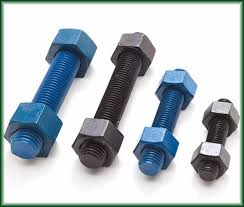
Are you tired of dealing with loose connections, structural failures, and costly repairs caused by improper stud bolt installation? In the demanding construction environment of the UAE, where extreme temperatures and harsh conditions test even the most robust hardware, proper stud bolt installation isn’t just important—it’s critical for structural integrity and safety.
The solution lies in understanding the science behind stud bolt installation and implementing proven techniques that ensure long-lasting, reliable connections. This comprehensive guide will walk you through everything from material selection to final torque verification, specifically tailored for the unique challenges of UAE construction projects.
Also read – The Ultimate Guide to Stud Bolts: Top 10 Mistakes to Avoid in Installation and Torque
Understanding Stud Bolt Fundamentals
Stud bolts are threaded fasteners without heads, featuring threads on both ends or along their entire length. They’re essential components in construction, particularly for connecting flanges in piping systems, structural steel connections, and heavy machinery installations. The quality of hardware export from reputable manufacturers ensures these critical components meet the demanding standards of UAE construction projects.
How Stud Bolts Are Made: From Raw Material to Finished Product
Raw Materials
Stud bolts begin with high-quality steel alloys, typically carbon steel, alloy steel, or stainless steel. For specialized applications in the UAE’s corrosive coastal environments, materials like duplex stainless steel or super duplex alloys are increasingly popular. The choice of raw material directly impacts the bolt’s performance in harsh desert and marine conditions.
Manufacturing Process
The manufacturing journey starts with wire rods being cut to specific lengths. These blanks then undergo cold forging or hot forging processes, depending on the required strength and diameter. Thread rolling follows, where dies form precise threads through plastic deformation rather than cutting, creating stronger threads with improved fatigue resistance. Heat treatment through quenching and tempering enhances mechanical properties, while surface treatments like hot-dip galvanizing or zinc plating provide corrosion protection essential for UAE’s humid coastal areas.
Key Properties Derived from Manufacturing
The manufacturing process imparts critical properties including high tensile strength through proper heat treatment, excellent fatigue resistance from thread rolling techniques, and superior corrosion resistance through appropriate coating selection. These properties are non-negotiable for construction projects facing UAE’s extreme environmental conditions.
Quality Control
Rigorous quality control measures include dimensional verification using thread gauges, mechanical testing for tensile strength and hardness, chemical composition analysis, and coating thickness measurements. Reputable suppliers adhere to international standards like ASTM, ISO, and DIN to ensure consistent quality.
Essential Uses in UAE Construction Landscape
In the UAE’s rapidly evolving construction sector, stud bolts serve critical functions across multiple applications. They’re indispensable in petrochemical plants for flange connections in piping systems, high-rise building construction for structural steel connections, power generation facilities for equipment mounting, and infrastructure projects including bridges and transportation systems. The reliability of these connections directly impacts project safety and longevity.
Top 10 Stud Bolt Installation Mistakes to Avoid
1. Incorrect Torque Application
Applying improper torque is the most common mistake. Under-torquing leads to loose connections and potential failure, while over-torquing can stretch bolts beyond their yield point. Always use calibrated torque wrenches and follow manufacturer specifications based on bolt grade, size, and lubrication.
2. Poor Surface Preparation
Installing stud bolts on contaminated or improperly prepared surfaces compromises connection integrity. Ensure mating surfaces are clean, flat, and free from rust, oil, or debris. In UAE’s dusty environment, this step is particularly crucial.
3. Incorrect Lubrication
Using the wrong lubricant or inconsistent application affects torque-tension relationships. Select lubricants compatible with your specific application and environmental conditions, applying them uniformly to threads and bearing surfaces.
4. Cross-Threading During Installation
Cross-threading damages both the stud bolt and receiving threads, creating weak points. Always start threads by hand, ensuring proper alignment before applying any torque.
5. Ignoring Environmental Factors
UAE’s extreme temperatures affect bolt expansion and contraction. Account for thermal cycling in your installation strategy, considering both installation temperature and operational temperature ranges.
6. Inadequate Corrosion Protection
Coastal projects require special attention to corrosion prevention. Ensure proper coating integrity and consider additional protective measures in highly corrosive environments.
7. Mixing Bolt Grades and Materials
Using inconsistent bolt grades or materials within the same connection creates stress imbalances. Maintain uniformity in your fastener selection for each specific application.
8. Improper Sequence in Multi-Bolt Patterns
For flange connections with multiple stud bolts, follow the correct crisscross tightening sequence to ensure even load distribution and prevent gasket damage.
9. Neglecting Re-Torquing Requirements
Many applications require re-torquing after initial operation. Establish and follow proper re-torquing schedules, especially for critical connections.
10. Using Damaged or Worn Tools
Worn sockets, damaged torque wrenches, or improper tools can lead to incorrect installation. Regularly inspect and maintain your installation equipment.
Best Practices for Successful Stud Bolt Installation
Successful installation begins with proper planning and execution. Always verify bolt and nut specifications against project requirements. Use calibrated torque equipment and follow established tightening procedures. Implement proper staging to protect fasteners from environmental contamination before installation. Document all installation parameters for quality assurance and future reference.
For complex applications, consider consulting technical resources from organizations like the American Society for Testing and Materials (ASTM) to ensure compliance with industry standards.
Choosing the Right Supplier in Dubai
Selecting a reliable stud bolt supplier in Dubai requires careful consideration of several factors. Look for suppliers with proven track records in the construction industry, comprehensive product certifications, technical support capabilities, and responsive customer service. The ability to provide customized solutions and meet project-specific requirements is equally important.
Trust OMAN OCEAN TRADING LLC for Your Stud Bolt Needs
When it comes to reliable stud bolt solutions for UAE construction projects, OMAN OCEAN TRADING LLC stands as your trusted partner. With decades of experience serving the construction industry, we understand the critical importance of quality fasteners in ensuring structural integrity and project success.
Our specialization in construction fasteners including Dowel Bars, Anchor Bolts, Stud Bolts, and Threaded Bolts makes us the go-to source for contractors and hardware professionals across the UAE. We maintain extensive inventory of high-quality products that meet international standards, ensuring you get the right components for your specific application requirements.
Located at 103, Lily Center, Deira DUBAI, we’re strategically positioned to serve construction projects throughout the region. Our technical expertise, combined with our commitment to quality and customer service, makes us the preferred choice for construction professionals who value reliability and performance. Visit our website at omanocean.com to explore our complete product range and technical resources.