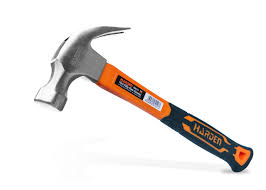
Are you tired of tools that fail when you need them most? In the demanding UAE construction environment, where temperatures soar and projects demand precision, traditional tool handles simply don’t cut it anymore. The hardware export market is rapidly shifting toward more advanced materials, and TPR (Thermoplastic Rubber) handles are leading this transformation.
For hardware shopkeepers and construction professionals across the Emirates, understanding this shift isn’t just about staying current—it’s about survival in a competitive market. TPR handles represent the next evolution in tool design, combining the best properties of rubber and plastic to create handles that outperform traditional materials in every critical aspect.
Also read – Claw Hammer – Fibre Handle: The Ultimate Tool for Every UAE Worksite 🛠️
What Makes TPR Handles Superior?
TPR handles combine thermoplastic processing ease with rubber-like elasticity and durability. Unlike traditional plastic handles that can become brittle in extreme heat or rubber handles that degrade over time, TPR maintains its properties across the entire temperature range experienced in UAE construction sites.
The material’s unique composition allows for excellent vibration dampening—a critical feature for power tools and striking instruments. According to research from the American Society for Testing and Materials, TPR materials can reduce vibration transmission by up to 70% compared to traditional materials, significantly reducing user fatigue and potential long-term injury.
How TPR Handles Are Made: From Raw Material to Finished Product
Raw Materials
The primary materials used in TPR handle manufacturing include thermoplastic elastomers, specifically styrene block copolymers, along with polypropylene and various additives for UV stabilization, color pigmentation, and enhanced grip properties.
Manufacturing Process
The manufacturing begins with material compounding, where raw polymers are mixed with additives in precise ratios. This compound is then fed into injection molding machines where it’s heated to between 180-220°C. The molten material is injected into precision molds under high pressure (typically 800-1200 bar). After cooling and solidification, the handles undergo secondary operations including trimming, surface texturing, and assembly with tool heads.
Key Properties Derived from Manufacturing
The injection molding process creates handles with exceptional impact resistance, maintaining integrity even when dropped from significant heights. The material’s inherent weather resistance makes it ideal for UAE’s harsh climate, resisting UV degradation and temperature extremes from 0°C to 80°C. Additionally, the manufacturing allows for precise ergonomic design, creating comfortable grips that reduce hand fatigue during extended use.
Quality Control
Manufacturers implement rigorous quality checks including dimensional verification, impact testing (meeting ISO 5744 standards), chemical resistance testing, and accelerated aging tests to simulate years of UAE weather conditions in weeks.
Essential Uses in the UAE Construction Landscape
TPR handles have become indispensable across multiple construction applications in the UAE. Their primary use is in striking tools—hammers, mallets, and sledges—where vibration dampening prevents user fatigue during foundation work and structural assembly. The material’s slip resistance is crucial for plumbing installation tools, ensuring secure grip even when hands are wet or oily.
In electrical work, TPR’s dielectric properties provide additional safety margins. For general construction, the handles maintain grip integrity in the extreme summer heat where traditional rubber can become slippery or sticky. The material’s resistance to chemicals, oils, and solvents makes it ideal for mechanical maintenance tools used across UAE’s industrial and construction sectors.
Choosing the Right TPR Handle Supplier in Dubai
When sourcing TPR handle tools for your hardware business, prioritize suppliers with proven track records in construction-grade tools. Look for manufacturers who provide material certification and can demonstrate compliance with international standards. The supplier should offer comprehensive product testing data specific to UAE environmental conditions.
Consider the supplier’s inventory depth and ability to provide consistent quality across large orders. Verify their understanding of local construction requirements and their commitment to after-sales support. A reliable supplier will have transparent pricing, clear warranty terms, and demonstrated experience serving the UAE construction industry.
Why Jummana Building Materials Should Be Your TPR Handle Supplier
For hardware businesses seeking reliable TPR handle tools, Jummana Building Materials stands as the premier choice in the UAE market. Located in the Industrial Area of Sharjah, they have built their reputation on providing construction-grade tools that withstand the region’s demanding conditions.
Jummana offers competitive wholesale prices without compromising on quality, making them the ideal partner for hardware shops looking to upgrade their tool inventory. Their specialization extends beyond TPR handle tools to include essential construction items like hand shovels, nylon and cotton ropes, mul mul fabrics, and heavy-duty PVC buckets—providing a comprehensive sourcing solution for your business.
With their strategic location in Sharjah’s industrial hub and user-friendly website at gulfinquiries.com, Jummana Building Materials ensures easy access to quality construction tools. Their expertise in the specific needs of UAE construction makes them more than just a supplier—they’re a strategic partner in your business growth.