What’s Holding Your Construction Projects Together?
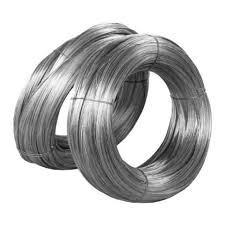
In the fast-paced world of UAE construction, where skyscrapers touch the clouds and infrastructure projects reshape the landscape, one critical question often gets overlooked: what’s actually holding your reinforcement bars together? While steel bars form the skeleton of modern structures, it’s the humble binding wire that ensures everything stays in place during concrete pouring and throughout the structure’s life.
For hardware shopkeepers and construction professionals, understanding binding wire grades isn’t just technical knowledge—it’s a business imperative. The right choice can mean the difference between a project that stands the test of time and one that faces costly rework. This comprehensive guide will walk you through everything you need to know about binding wire grades, from manufacturing to application.
Also read – Why Is Binding Wire Essential for UAE’s Construction Industry?
The Binding Wire Solution: More Than Just Metal
Binding wire serves as the invisible hero in construction, providing the necessary tension and security to keep reinforcement bars perfectly positioned. In the UAE’s extreme climate conditions, where temperatures can soar and humidity varies dramatically, the quality of binding wire becomes even more critical. The wrong grade can lead to corrosion, weakening the entire structure over time.
How Binding Wire is Made: From Raw Material to Finished Product
Raw Materials: The Foundation of Quality
The journey begins with high-quality low-carbon steel wire rod, typically containing 0.06% to 0.15% carbon content. This specific carbon percentage is crucial—it provides the perfect balance between strength and flexibility. According to the American Society for Testing and Materials, the raw material must meet strict chemical composition standards to ensure consistent performance.
Manufacturing Process: Precision Engineering
The manufacturing process involves several critical stages that determine the final wire’s properties:
Wire Drawing: The steel rods are drawn through progressively smaller dies to reduce diameter while increasing length. This cold working process enhances the wire’s tensile strength through strain hardening.
Annealing: The drawn wire undergoes heat treatment at controlled temperatures (typically 600-700°C) to relieve internal stresses and restore ductility. This step is crucial for ensuring the wire can be easily twisted without breaking.
Galvanizing (Optional): For corrosion-resistant applications, the wire may be hot-dip galvanized with a zinc coating. This is particularly important for UAE coastal projects where salt exposure accelerates corrosion.
Spooling: The finished wire is wound onto spools of standard weights, typically 5kg to 50kg, ready for distribution to hardware suppliers and construction sites.
Key Properties Derived from Manufacturing
The manufacturing process imparts three essential properties that determine the wire’s performance:
Tensile Strength: Ranging from 350 MPa to 550 MPa depending on the grade, this determines how much pulling force the wire can withstand before breaking.
Ductility: Measured by elongation percentage, good ductility allows the wire to be twisted multiple times without fracturing—essential for secure tying.
Corrosion Resistance: Particularly important in the UAE’s humid coastal areas, proper galvanizing provides protection against rust that could compromise structural integrity.
Quality Control: Ensuring Consistency
Reputable manufacturers implement rigorous quality checks including dimensional accuracy verification, tensile strength testing, twist tests, and coating thickness measurements for galvanized wires. Compliance with international standards like ASTM A82 or BS 4482 is non-negotiable for quality assurance.
Essential Uses in the UAE Construction Landscape
Binding wire serves as the backbone of reinforcement work across all major UAE construction sectors:
High-Rise Construction: In projects like Burj Khalifa and upcoming skyscrapers, binding wire secures complex rebar configurations that must withstand immense vertical and lateral loads.
Infrastructure Projects: Bridges, tunnels, and highway projects rely on binding wire to maintain rebar spacing and alignment during concrete pouring.
Coastal Developments: Projects along Dubai Marina and Abu Dhabi Corniche require galvanized binding wire to resist saltwater corrosion.
Industrial Facilities: Factories and industrial plants need binding wire that can withstand vibration and thermal expansion variations.
Top Criteria for Choosing a Reliable Supplier in Dubai
When selecting a binding wire supplier in the UAE market, consider these critical factors:
Quality Certification: Ensure suppliers provide materials with proper mill certificates and compliance with international standards.
Consistent Supply: The ability to maintain stock levels during peak construction seasons is crucial for project timelines.
Technical Support: Suppliers should offer guidance on selecting the right grade for specific applications.
Competitive Pricing: While quality shouldn’t be compromised, competitive wholesale pricing helps maintain project budgets.
Why Choose Jummana Building Materials for Your Binding Wire Needs?
For over two decades, Jummana Building Materials has been the trusted partner for construction professionals across the UAE. Located in the Industrial Area of Sharjah, we understand the unique demands of the regional construction market and have built our reputation on reliability and quality.
Our competitive wholesale prices make us the preferred choice for contractors and hardware shopkeepers who need consistent quality without breaking their budget. We maintain extensive inventory levels to ensure you never face project delays due to material shortages.
Beyond binding wire, we specialize in a comprehensive range of construction essentials including HAND SHOVEL, NYLON & COTTON ROPE, MUL MUL, and PVC BUCKET HEAVY DUTY products. Our expertise across multiple product categories means we can serve as your single-source supplier for all construction material needs.
Visit our website at gulfinquiries.com to explore our complete product range and discover why leading construction companies trust Jummana Building Materials for their critical supply needs.