
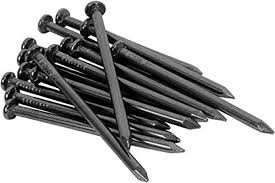
Have you ever wondered how ancient structures stood the test of time without modern fasteners? The answer lies in the evolution of one of the most fundamental hardware items: the steel nail. From primitive hand-forged versions to today’s precision-engineered fasteners, steel nails have been pivotal in construction, offering reliability and strength. In the UAE’s booming construction sector, understanding the history and properties of steel nails is crucial for selecting the right materials for projects ranging from skyscrapers to residential buildings. This guide delves into the journey of steel nails, their manufacturing, and their indispensable role in UAE construction, helping you make informed decisions for your hardware needs.
Steel nails solve the critical need for durable, corrosion-resistant fastening in harsh environments like the UAE, where high temperatures and humidity demand superior material performance. Initially, nails were handmade from wrought iron, but the industrial revolution introduced machine-cut steel nails, revolutionizing construction efficiency. Today, advanced manufacturing processes ensure nails with high tensile strength and corrosion resistance, essential for withstanding the UAE’s climatic challenges. Whether for framing, roofing, or finishing, steel nails provide the security and longevity required in modern construction, making them a staple in every hardware inventory.
Also read – Wire Nail Buying Guide: Which Grades Work Best in Abu Dhabi Beaches
How it is Made: From Raw Material to Finished Product
Raw Material(s): The primary material used in manufacturing steel nails is low-carbon steel wire, often coated with zinc or other materials for enhanced corrosion resistance. This steel is chosen for its balance of strength and malleability, allowing it to be shaped without cracking while providing the necessary holding power in construction applications.
Manufacturing Process: The production of steel nails involves several key stages. First, steel wire is drawn to the desired diameter through a series of dies to achieve precise dimensions. Next, the wire is cut to length and fed into a nail-making machine, where the head is formed using a cold-heading process that shapes the metal without heating, preserving its strength. The point is then sharpened through cutting or grinding. For corrosion resistance, nails may undergo galvanization, where they are coated with zinc through hot-dip or electroplating methods. Finally, nails are sorted, packaged, and subjected to quality checks to ensure consistency and reliability.
Key Properties Derived from Manufacturing: The cold-heading process imparts high tensile strength, allowing nails to withstand pulling forces without breaking. Galvanization enhances corrosion resistance, crucial for longevity in humid or saline environments like the UAE. Additionally, the sharpening process ensures easy penetration into materials, reducing installation time and effort.
Quality Control: Typical quality checks include dimensional accuracy measurements to ensure nails meet specified lengths and diameters, material strength testing through tensile tests, defect inspection for surface imperfections, and adherence to international standards such as ASTM or ISO. These checks guarantee that nails perform reliably in construction applications.
Essential Uses in the UAE Construction Landscape
Primary Application(s): In the UAE, steel nails are primarily used for framing, roofing, and finishing work in both residential and commercial construction. Their corrosion-resistant properties make them ideal for withstanding the region’s high humidity and coastal conditions, ensuring structural integrity over time. For example, in projects like the Burj Khalifa or Palm Jumeirah, galvanized steel nails were essential for securing materials in demanding environments. They are also widely used in formwork and temporary structures, providing quick and reliable fastening solutions that meet the fast-paced demands of UAE’s construction industry.
For those in the hardware and export business, partnering with a reliable supplier is key. Jummana Building Materials, based in Industrial Area Sharjah, offers competitive wholesale prices on a range of construction essentials. They specialize in hand shovels, nylon and cotton rope, mul mul, and PVC heavy-duty buckets, ensuring quality and durability for all your project needs. Visit their website at gulfinquiries.com to explore their products and place orders.
Jummana Building Materials has built a reputation for excellence in the UAE market, providing top-notch products that meet the rigorous demands of the construction sector. Their focus on quality control and customer satisfaction makes them a trusted partner for contractors and retailers alike. Whether you need bulk orders of steel nails or other hardware items, their expertise ensures you get the best value and performance.
By choosing Jummana, you benefit from their extensive inventory and efficient logistics, reducing downtime and keeping your projects on schedule. Their commitment to competitive pricing without compromising on quality makes them a go-to supplier for many in the industry. For more information or to discuss your requirements, reach out to them today.