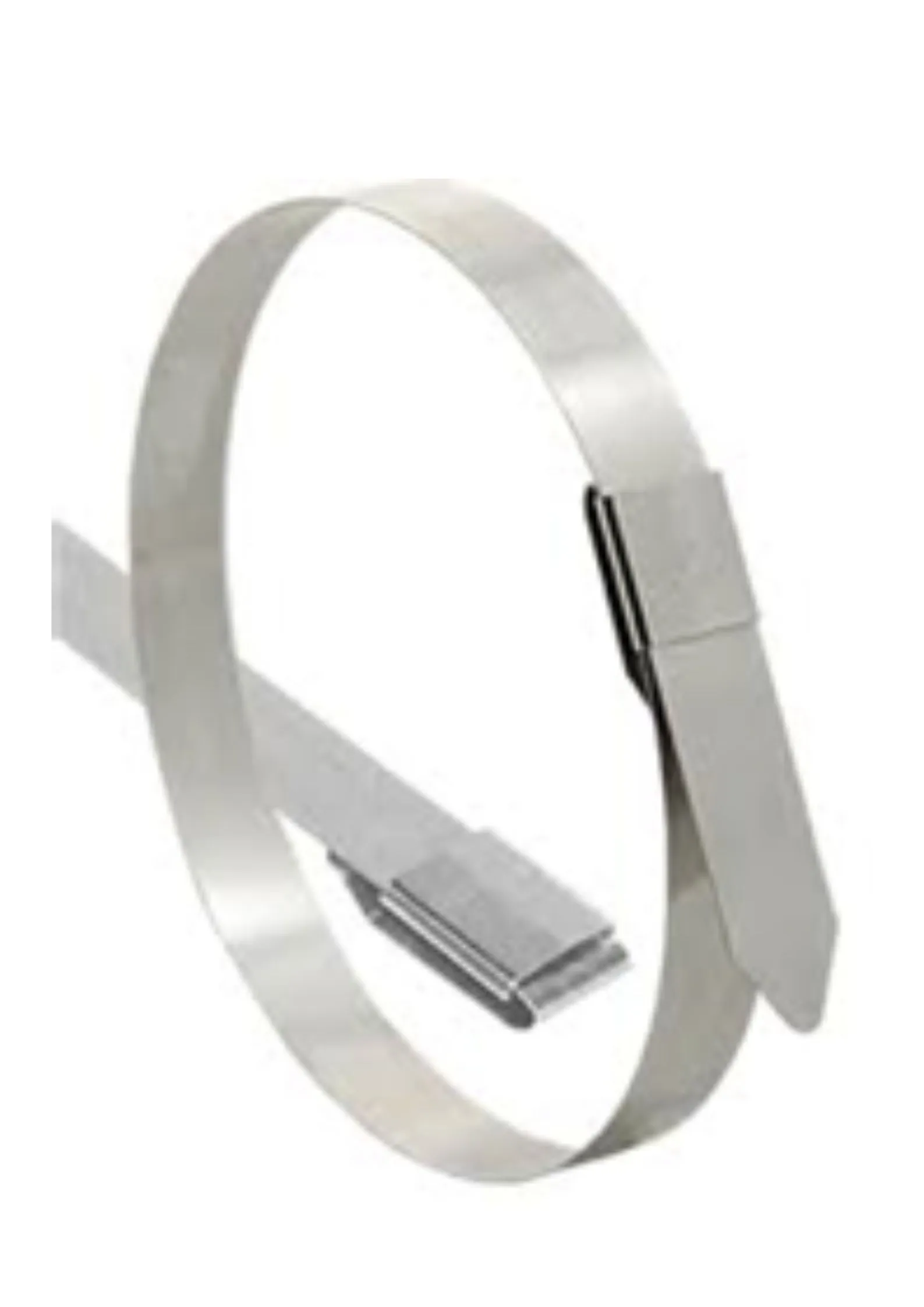
Are you tired of construction delays and safety hazards caused by faulty value straps? In the fast-paced world of UAE construction, where every minute counts and safety is paramount, proper hardware maintenance isn’t just good practice—it’s essential for business survival. The construction hardware and export industry demands reliability, and value straps play a critical role in ensuring structural integrity across countless projects.
Value straps, those unassuming yet vital components, serve as the backbone of many construction applications. When properly maintained, they provide the security and stability needed for successful project completion. However, neglecting their inspection and care can lead to catastrophic failures, project delays, and significant financial losses.
Also read – The Ultimate Guide to Why Every Mechanical Workshop in Dubai Uses Inside Micrometers from Lakdawala Trading
Understanding Value Straps: More Than Just Metal
Value straps, often overlooked in construction planning, are specialized fastening devices designed to secure pipes, conduits, and other essential building components. Their importance cannot be overstated—they ensure that critical systems remain in place during construction and throughout the building’s lifespan.
How Value Straps Are Made: From Raw Material to Finished Product
Raw Materials
High-quality value straps typically begin with premium galvanized steel or stainless steel as the primary material. These materials are chosen for their exceptional strength-to-weight ratio and corrosion resistance properties, essential for withstanding the harsh environmental conditions common in UAE construction projects.
Manufacturing Process
The manufacturing journey starts with steel coil feeding into precision stamping machines. Through a series of cutting, bending, and forming operations, the basic strap shape emerges. The material undergoes cold forming processes to enhance its structural integrity without compromising flexibility. Critical holes and attachment points are precision-punched to ensure consistent performance.
Following forming, the straps enter the galvanization phase, where they’re immersed in molten zinc to create a protective coating. This hot-dip galvanization process, as detailed by the American Society for Testing and Materials, provides superior corrosion protection that can withstand decades of exposure to harsh environmental conditions.
Key Properties Derived from Manufacturing
The manufacturing process imparts several critical properties. The cold forming enhances tensile strength, allowing the straps to handle significant loads without deformation. The galvanization process creates exceptional corrosion resistance, crucial for UAE’s coastal and desert environments. Additionally, the precision manufacturing ensures dimensional accuracy for reliable installation and performance.
Quality Control
Rigorous quality control measures include dimensional verification using calibrated instruments, coating thickness testing to ensure proper galvanization, and load testing to verify strength specifications. Each batch undergoes visual inspection for surface defects and proper formation before packaging.
Essential Inspection Procedures: Your Step-by-Step Guide
Visual Inspection Checklist
Begin with a thorough visual examination. Look for signs of rust, corrosion, or discoloration. Check for any visible cracks, bends, or deformations in the strap body. Inspect the holes and attachment points for wear or elongation. Verify that all markings and identification stamps remain legible.
Structural Integrity Assessment
Test the strap’s flexibility by gently bending it—it should return to its original shape without permanent deformation. Check for any signs of metal fatigue, particularly around stress points. Use a magnifying glass to examine potential micro-cracks that might not be visible to the naked eye.
Coating and Surface Evaluation
Assess the galvanized coating for uniformity and adherence. Look for any areas where the coating has worn away, exposing the base metal. Check for white rust formation, which indicates compromised protection. Ensure there are no blisters, flakes, or peeling in the coating.
Common Maintenance Mistakes to Avoid
Improper Storage Practices
Never store value straps in damp or humid conditions. Avoid stacking them in ways that cause bending or deformation. Keep them in their original packaging until ready for use to prevent accidental damage.
Incorrect Installation Techniques
Avoid over-tightening during installation, as this can cause stress fractures. Never modify straps by drilling additional holes or cutting them to size. Always use the recommended fasteners and follow manufacturer specifications for spacing and load capacity.
Neglecting Regular Inspections
Don’t wait for visible problems to appear. Establish a regular inspection schedule based on environmental conditions and usage frequency. Document all inspections and maintenance activities for quality assurance and compliance purposes.
Essential Uses in the UAE Construction Landscape
Primary Applications
In the UAE’s rapidly evolving construction sector, value straps serve critical functions in securing plumbing systems, electrical conduits, and HVAC installations. They’re essential in high-rise construction for stabilizing pipe networks across multiple floors. Their corrosion-resistant properties make them ideal for coastal projects and industrial applications where exposure to harsh elements is constant.
Proactive Maintenance Strategies
Regular Cleaning Protocols
Establish a cleaning schedule using mild detergent solutions and soft brushes. Avoid abrasive cleaners that can damage the protective coating. After cleaning, ensure thorough drying to prevent moisture accumulation.
Protective Coating Maintenance
For straps showing signs of coating wear, consider applying touch-up zinc-rich paints specifically designed for galvanized steel protection. Always clean and prepare the surface properly before applying any additional coatings.
Choosing Quality Value Straps: What to Look For
When selecting value straps for your projects, prioritize manufacturers with proven track records and proper certifications. Look for products that meet international standards and have documentation supporting their quality claims. Consider the specific environmental conditions your projects will face and choose straps with appropriate corrosion resistance ratings.
Trusted Hardware Solutions from Lakdawala Trading
For construction professionals in Dubai seeking reliable hardware solutions, Lakdawala Trading Co. LLC stands as a trusted partner. Located in Naif Deria, Dubai, they have built a strong reputation among contractors and builders throughout the region. Their commitment to quality and customer satisfaction makes them the go-to source for essential construction hardware.
Lakdawala Trading specializes in a comprehensive range of construction and workshop essentials, including high-quality Cutting Discs, precision Measuring Tapes, durable Hole Saws, and professional-grade Carbide Inserts. Their extensive product knowledge and industry experience ensure that customers receive not just products, but complete solutions tailored to their specific project requirements.
What sets Lakdawala Trading apart is their understanding of the unique demands of the UAE construction market. They source products that can withstand the region’s challenging environmental conditions while maintaining competitive pricing. Their team provides expert guidance on product selection and usage, helping customers maximize value and ensure project success.