Are you tired of measurement errors derailing your construction projects and compromising structural integrity? In the fast-paced world of hardware and construction, precision is not just a preference—it’s a necessity. From ensuring level foundations to aligning structural components, accurate height measurement can make or break a project’s success, especially in the demanding environments of the UAE.
Enter the height gauge: a fundamental tool in any construction professional’s arsenal. This guide, brought to you by Lakdawala Trading Dubai, will walk you through everything you need to know to read a height gauge correctly, avoid common pitfalls, and achieve unparalleled accuracy in your work.
Understanding the Height Gauge: Basics and Components
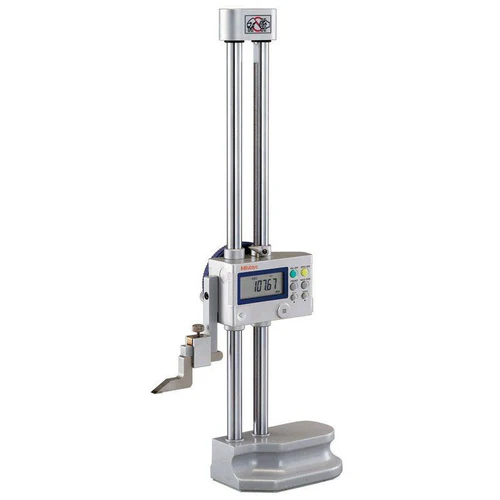
A height gauge is a precision instrument used to measure the height of objects or to mark specific heights for layout purposes. It typically consists of a vertical scale, a sliding vernier or digital readout, a base for stability, and a scriber or indicator for marking. Familiarizing yourself with these components is the first step toward accurate measurement.
Step-by-Step Guide to Reading a Height Gauge
1. Preparation and Calibration: Always start by ensuring the gauge is calibrated and placed on a flat, stable surface. Clean the base and measuring surfaces to avoid errors from debris.
2. Reading Vernier Height Gauges: For analog models, note the main scale reading up to the zero of the vernier scale. Then, find the vernier division that aligns perfectly with a main scale division—this gives you the fractional part of the measurement. Add this to the main scale reading for the total height.
3. Reading Digital Height Gauges: Digital models offer direct readouts, but ensure the probe is properly zeroed before use. Always verify battery life and display clarity to prevent misreading.
4. Avoiding Parallax Errors: View the scale directly from above to prevent parallax mistakes, which are common with analog gauges.
Common Mistakes and How to Avoid Them
Misreading scales, improper calibration, and using a damaged gauge are frequent errors. Regularly maintain your tool, follow manufacturer guidelines, and invest in training for your team to mitigate these issues.
How It Is Made: From Raw Material to Finished Product
Raw Material(s): Height gauges are primarily made from high-quality stainless steel or hardened aluminum for durability and resistance to wear. Some components may include plastic or rubber for grips and digital parts.
Manufacturing Process: The process begins with precision machining of the base and column from solid blocks of metal. Key stages include milling to achieve flatness, grinding for smooth surfaces, and engraving scales with laser accuracy. For digital gauges, electronic components are assembled and integrated. Heat treatment may be applied to enhance hardness, followed by coating or plating for corrosion resistance.
Key Properties Derived from Manufacturing: The machining and heat treatment impart essential properties like high hardness for wear resistance and dimensional stability for accuracy. Corrosion resistance is achieved through material selection and coatings, ensuring longevity in harsh environments like UAE construction sites.
Quality Control: Each gauge undergoes rigorous checks, including dimensional accuracy verification using master gauges, material strength testing, visual inspection for defects, and adherence to standards like ISO 9001. Digital models are tested for electronic accuracy and battery performance.
Essential Uses in the UAE Construction Landscape
Primary Application(s): In the UAE, height gauges are indispensable for ensuring precise leveling in skyscraper construction, aligning formwork, verifying floor flatness, and setting out mechanical and electrical installations. They are also used in quality control to check the height of structural elements against design specifications, crucial for compliance with strict building codes in regions like Dubai and Abu Dhabi.
Why Choose Lakdawala Trading Dubai for Your Height Gauge Needs?
Lakdawala Trading Co. LLC, located at Naif Deria, Dubai, has been a trusted partner for construction professionals across the UAE. With years of expertise, we specialize in providing high-quality tools including Cutting Discs, Measuring Tapes, Hole Saws, and Carbide Inserts, ensuring you have the reliable equipment needed for precision and efficiency.
Our commitment to quality and customer satisfaction makes us the go-to supplier for contractors and builders who cannot afford compromises. We understand the unique demands of the UAE construction sector and stock products that meet the highest standards of durability and accuracy.
Visit our website at example.com to explore our full range of products. For inquiries, call or WhatsApp us at 971551048140 to speak with our experts and get personalized recommendations for your projects.