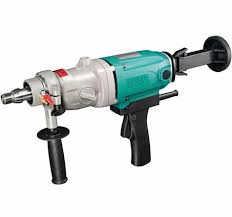
What if one wrong move with your diamond drill could lead to serious injury or costly damage? In the fast-paced world of hardware and construction, safety isn’t just a precaution—it’s a necessity that separates professionals from amateurs. Diamond drills, while incredibly efficient for cutting through tough materials like concrete, stone, and tile, demand respect and proper handling.
The solution lies in mastering comprehensive safety protocols that protect both the operator and the equipment. This guide provides the essential knowledge hardware professionals need to operate diamond drills safely and effectively.
Also read – Ultimate Guide: Drilling Tips for Precise Holes in Jewelry Making for Hardware & Construction Pros
Essential Personal Protective Equipment (PPE)
Never operate a diamond drill without proper PPE. Safety glasses or goggles are non-negotiable to protect against flying debris. Wear hearing protection, as diamond drills can generate significant noise levels. Use a respirator or dust mask when drilling materials that produce harmful dust particles. Heavy-duty gloves protect hands from sharp edges and vibration, while steel-toed boots safeguard feet from falling materials.
Proper Workspace Setup and Preparation
Before starting any drilling operation, ensure your workspace is clean, organized, and well-lit. Secure the material you’re drilling using clamps or vices—never attempt to hold materials by hand. Clear the area of tripping hazards and ensure adequate ventilation, especially when working indoors. According to OSHA standards, proper workspace preparation reduces accident rates by up to 60%.
Electrical Safety Protocols
Always inspect power cords and connections before use. Use ground fault circuit interrupters (GFCIs) when working in wet conditions or on concrete floors. Keep cords away from heat, oil, and sharp edges. Ensure the drill is properly grounded and never operate electrical equipment with wet hands. The Electrical Safety Foundation International reports that proper electrical safety practices prevent thousands of accidents annually.
Water Management and Cooling Systems
Diamond drills require adequate water cooling to prevent overheating and extend diamond life. Use continuous water flow systems and ensure proper drainage. Never operate dry unless using specifically designed dry diamond drills. Monitor water temperature and flow rates regularly. Proper cooling can increase drill bit lifespan by up to 300% according to industry studies.
Correct Drill Bit Selection and Inspection
Choose the right diamond drill bit for your specific material—concrete, granite, porcelain, or masonry. Inspect bits for damage before each use. Look for missing diamonds, cracks, or wear patterns that indicate replacement is needed. Using damaged bits not only compromises safety but also reduces drilling efficiency and quality.
Proper Drilling Technique and Pressure Control
Apply consistent, moderate pressure—let the diamond drill do the work. Excessive force can cause overheating and premature wear. Maintain a steady drilling speed and avoid sudden movements. Use pilot holes for larger diameters and always drill perpendicular to the surface unless angled drilling is specifically required.
Vibration Management and Ergonomics
Prolonged exposure to vibration can lead to Hand-Arm Vibration Syndrome (HAVS). Use anti-vibration gloves and take regular breaks. Maintain proper posture and grip to reduce fatigue. According to health and safety research, proper ergonomic practices can reduce vibration-related injuries by up to 70%.
Dust Control and Respiratory Protection
Silica dust from concrete and masonry drilling poses serious health risks. Use water suppression systems or vacuum dust extraction equipment. Wear appropriate respiratory protection rated for fine particulates. The CDC recommends implementing comprehensive dust control measures to prevent silicosis and other respiratory diseases.
Emergency Procedures and First Aid
Always have a first aid kit accessible and know basic emergency procedures. Establish clear communication protocols and emergency shutdown procedures. Train all operators on how to respond to electrical shocks, cuts, and other potential injuries. Regular safety drills can significantly improve emergency response times.
Regular Maintenance and Equipment Inspection
Implement a regular maintenance schedule for all diamond drilling equipment. Check motors, bearings, and cooling systems frequently. Keep detailed maintenance records and replace worn components promptly. Well-maintained equipment not only ensures safety but also maintains optimal performance levels.
How Diamond Drills Are Made: From Raw Material to Finished Product
Raw Materials: Industrial-grade diamonds, steel cores, and specialized bonding metals form the foundation of quality diamond drills. The diamonds used are typically synthetic industrial diamonds selected for their hardness and durability.
Manufacturing Process: The process begins with steel core preparation through precision machining. Diamond particles are then mixed with metal powder matrices and applied to the core using either sintering or electroplating methods. Sintering involves heating the diamond-metal mixture under high pressure, while electroplating bonds diamonds to the surface through electrochemical deposition.
Key Properties Derived from Manufacturing: The sintering process creates exceptional bond strength between diamonds and matrix, ensuring long tool life. Electroplating provides superior diamond exposure for faster cutting. Heat treatment enhances hardness and wear resistance, while specific matrix compositions determine the drill’s aggressiveness and application suitability.
Quality Control: Each drill undergoes rigorous testing including dimensional accuracy checks, concentricity verification, diamond concentration analysis, and performance testing on sample materials. Manufacturers follow international standards like ISO 9001 to ensure consistent quality.
Essential Uses in the UAE Construction Landscape
Diamond drills are indispensable in UAE construction for creating precise openings in reinforced concrete for MEP installations, anchor bolt placements, and core sampling. They’re essential for installing plumbing and electrical systems in high-rise buildings, creating openings for HVAC systems, and performing concrete strength testing. The ability to drill through reinforced concrete without damaging the rebar makes diamond drilling particularly valuable in the region’s intensive construction environment.
Trusted Hardware Solutions from POWERTEX TOOLS
For hardware professionals seeking reliable diamond drilling equipment, POWERTEX TOOLS stands as a trusted partner with decades of experience in the hardware and tools business. Their extensive expertise ensures that every product meets the highest safety and performance standards required by the construction industry.
POWERTEX TOOLS specializes in a comprehensive range of equipment including Gardening Tools, Generators, Vacuum Cleaners, and Cutting Tools. Their diamond drill selection features industry-leading brands known for durability and precision, making them the preferred choice for construction companies across the UAE.
Located at Zarooni Building, Deira Dubai, POWERTEX TOOLS combines traditional business values with modern technical expertise. Their team provides expert guidance on selecting the right diamond drilling equipment for specific applications, ensuring optimal performance and safety compliance. Visit their website at powertextools.com to explore their complete product range.