
Are you tired of wasting time and materials on inefficient machining operations? Do you find yourself struggling with tool breakage, poor surface finish, or extended machining times that eat into your project deadlines? In the fast-paced world of UAE construction and manufacturing, where precision and efficiency are paramount, these challenges can significantly impact your bottom line.
The solution lies in mastering one of the most fundamental yet powerful tools in modern machining: the roughing endmill. This comprehensive guide will transform you from a beginner to a confident user, helping you unlock the full potential of these essential cutting tools.
Also read – Ultimate Guide: The Critical Role of Endmills in UAE Aerospace & Defense Projects
What Are Roughing Endmills and Why Do They Matter?
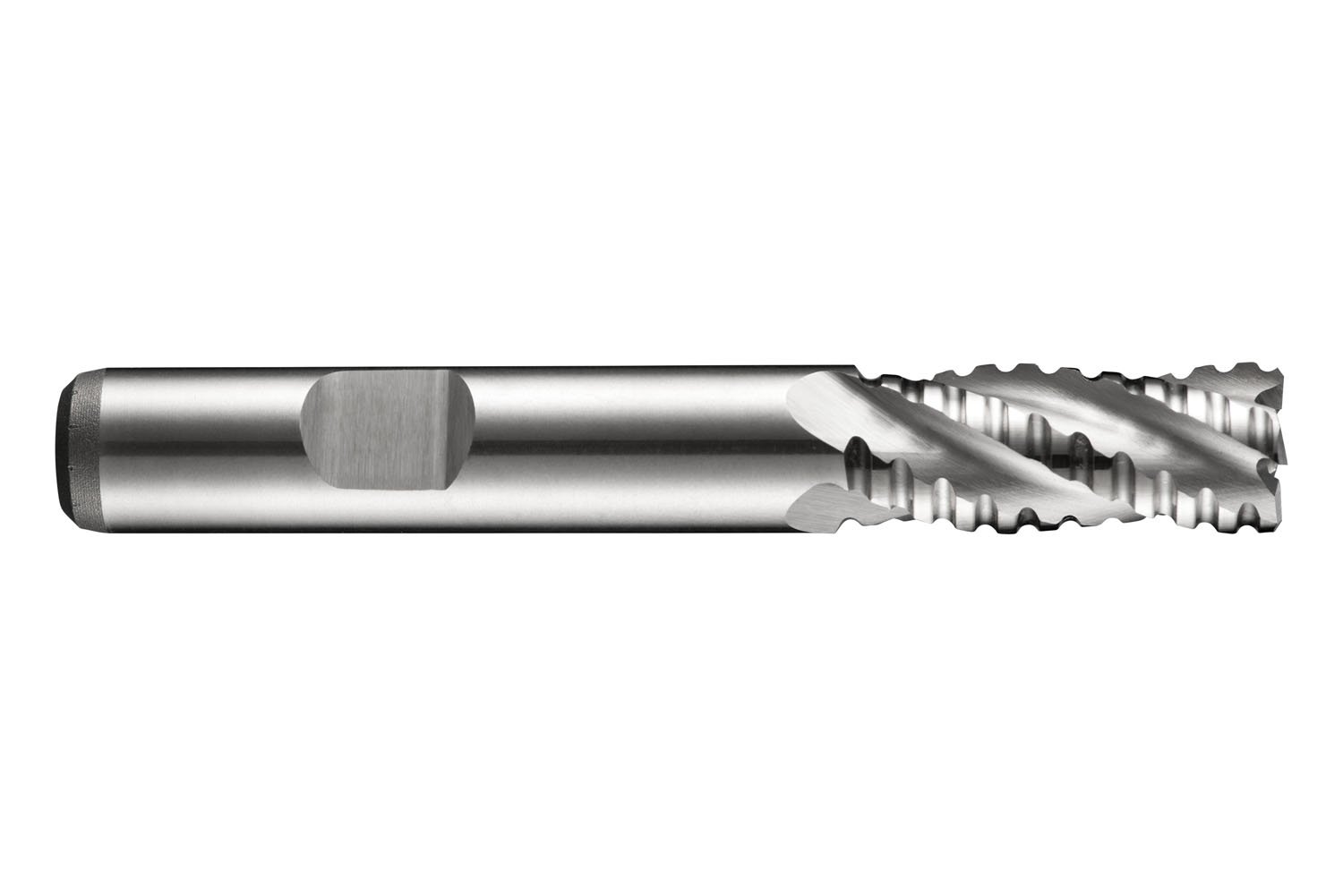
Roughing endmills are specialized cutting tools designed for rapid material removal during the initial stages of machining operations. Unlike finishing endmills that prioritize surface quality, roughing endmills focus on efficiency and speed, making them indispensable in construction hardware manufacturing and metalworking applications across the UAE.
These tools feature a unique serrated cutting edge design that breaks chips into smaller, more manageable pieces, reducing cutting forces and enabling higher material removal rates. According to machining experts at Sandvik Coromant, proper roughing can reduce machining time by up to 70% compared to conventional methods.
How Roughing Endmills Are Made: From Raw Material to Finished Product
Raw Materials
The manufacturing process begins with high-quality materials that determine the tool’s performance and longevity. Primary materials include:
- High-Speed Steel (HSS) for general-purpose applications
- Cobalt Steel for enhanced heat resistance
- Solid Carbide for maximum hardness and wear resistance
- Carbide-tipped options for cost-effective performance
Manufacturing Process
The creation of roughing endmills involves sophisticated manufacturing techniques:
- Material Preparation: Raw material bars are cut to specific lengths and diameters
- CNC Grinding: Computer-controlled grinding machines shape the flutes, cutting edges, and serrations with micron-level precision
- Heat Treatment: Tools undergo controlled heating and cooling cycles to achieve optimal hardness and toughness
- Coating Application: Advanced coatings like TiN, TiAlN, or AlTiN are applied through Physical Vapor Deposition (PVD) to enhance wear resistance and reduce friction
- Quality Finishing: Final polishing and sharpening ensure consistent cutting performance
Key Properties Derived from Manufacturing
The manufacturing process imparts critical properties:
- Exceptional Hardness: Heat treatment creates tools that maintain sharpness under extreme conditions
- Superior Toughness: Proper material selection and processing prevent chipping and breakage
- Enhanced Wear Resistance: Specialized coatings extend tool life in abrasive materials
- Thermal Stability: Materials and coatings withstand high machining temperatures
Quality Control
Every roughing endmill undergoes rigorous testing:
- Dimensional accuracy verification using coordinate measuring machines
- Hardness testing to ensure proper heat treatment
- Visual inspection for surface defects and coating uniformity
- Performance testing on sample materials
- Compliance verification with international standards like ISO 9001
Essential Uses in the UAE Construction Landscape
Primary Applications
Roughing endmills serve critical functions across UAE construction projects:
- Structural Steel Fabrication: Rapid material removal in beam processing, plate cutting, and structural component manufacturing for skyscrapers and infrastructure projects
- Aluminum Window and Door Systems: Efficient machining of aluminum profiles for the extensive glazing systems in modern UAE architecture
- Concrete Formwork Manufacturing: Processing steel and aluminum components for reusable formwork systems
- MEP Component Production: Manufacturing brackets, supports, and custom fittings for mechanical, electrical, and plumbing systems
- Custom Hardware Fabrication: Creating specialized fasteners, connectors, and architectural elements unique to Middle Eastern design requirements
Step-by-Step Guide to Using Roughing Endmills
Step 1: Tool Selection and Setup
Begin by selecting the appropriate roughing endmill for your material and machine capabilities. Consider diameter, number of flutes, coating type, and material compatibility. Ensure proper collet or holder selection to minimize runout and vibration.
Step 2: Machine Preparation
Verify your CNC machine or milling machine is properly calibrated and maintained. Check spindle runout, ensure adequate coolant systems are functional, and confirm workholding is secure and rigid.
Step 3: Optimal Cutting Parameters
Establish correct speeds and feeds based on material type, tool diameter, and machine capability. For roughing operations in steel, typical parameters might include:
- Cutting speed: 80-120 m/min
- Feed per tooth: 0.1-0.3 mm
- Depth of cut: Up to 1.5 times tool diameter
- Width of cut: 50-75% of tool diameter
Step 4: Proper Tool Path Strategies
Implement efficient tool paths that maximize material removal while minimizing tool wear. Consider trochoidal milling, adaptive clearing, or high-efficiency milling strategies that maintain consistent chip loads and reduce thermal stress.
Step 5: Coolant and Chip Management
Use appropriate coolant strategies to control temperature and facilitate chip evacuation. For roughing operations, high-pressure coolant systems can significantly improve performance and tool life.
Step 6: Monitoring and Maintenance
Regularly inspect tools for wear patterns, chipping, or other signs of deterioration. Establish a tool life monitoring system and replace tools proactively to maintain consistent quality.
Common Mistakes to Avoid
Mistake 1: Incorrect Speed and Feed Selection
Using inappropriate cutting parameters leads to premature tool failure, poor surface finish, and extended machining times. Always consult manufacturer recommendations and adjust based on specific conditions.
Mistake 2: Poor Workholding
Inadequate clamping or insufficient rigidity causes vibration, chatter, and dimensional inaccuracies. Invest in quality workholding systems and ensure proper setup before beginning operations.
Mistake 3: Neglecting Chip Evacuation
Accumulated chips can recut, causing tool damage and poor surface quality. Implement effective chip clearing strategies and monitor chip formation during operations.
Mistake 4: Using Worn Tools
Continuing to use dull or damaged tools increases cutting forces, reduces accuracy, and can damage workpieces. Establish clear tool replacement criteria and maintain a disciplined replacement schedule.
Trusted Supplier: AL MIFTHAAH BUILDING & CONSTRUCTION MATERIALS TRADING CO LLC
When it comes to sourcing high-quality roughing endmills and other essential machining tools in the UAE, AL MIFTHAAH BUILDING & CONSTRUCTION MATERIALS TRADING CO LLC stands as a premier supplier. Located in the heart of Dubai’s industrial district at Al Fahidi Bur Dubai, they have built a reputation for excellence and reliability in the construction and manufacturing sectors.
The company specializes in providing top-tier products across multiple categories, including ABRASIVES, DRILLING TOOLS, MACHINE TOOLS ACCESSORIES, and MILLING TOOLS. Their commitment to quality ensures that every roughing endmill they supply meets the highest standards of performance and durability, backed by trusted international brands known for their manufacturing excellence.
What sets AL MIFTHAAH apart is their deep understanding of the unique demands of the UAE construction landscape. They provide not just products, but comprehensive solutions tailored to the specific challenges of regional projects, from high-rise developments to infrastructure initiatives. Their technical expertise and customer-focused approach make them the go-to partner for construction professionals seeking reliable, high-performance cutting tools.
Visit their website at https://almifthaahbacmtrading.com/ to explore their extensive product range and discover how their expertise can enhance your machining operations.