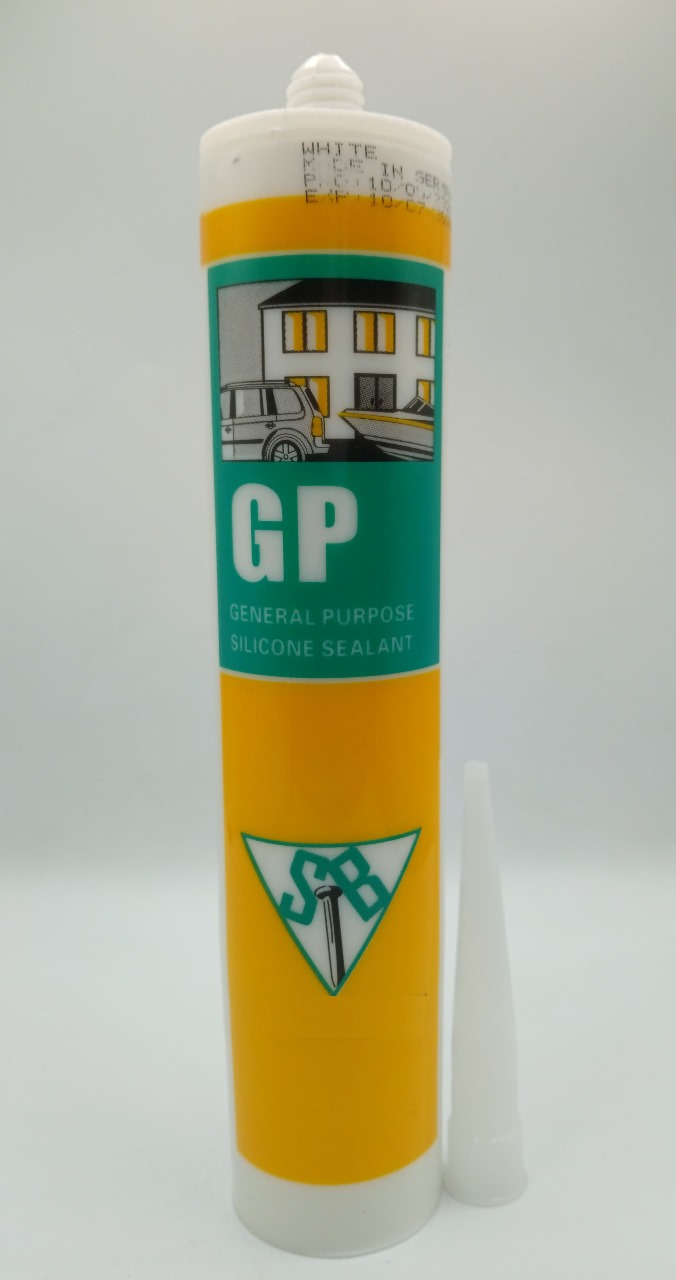
Are you tired of dealing with cracked seals and water leaks in the extreme UAE climate? For hardware shopkeepers and construction professionals, choosing the right sealant isn’t just a detail—it’s a critical decision that affects durability, safety, and customer satisfaction. In a region where temperatures soar and sandstorms are common, the wrong choice can lead to costly repairs and unhappy clients.
Enter sealants: the unsung heroes of construction. Specifically, silicon and acrylic sealants offer solutions, but which one truly stands up to UAE’s unique challenges? This guide dives deep into the facts, helping you make an informed decision that benefits your business and projects.
Also read – Platinum vs. Tin-Cured Silicone: Advantages for UAE Buildings
How It Is Made: From Raw Material to Finished Product
Raw Material(s): Silicon sealant is primarily made from silicone polymers derived from silica (sand), while acrylic sealant uses acrylic polymers from petrochemical sources. Both may include additives like plasticizers, fillers, and catalysts to enhance properties.
Manufacturing Process: For silicon sealant, the process involves mixing silicone polymers with cross-linking agents and fillers in a high-shear mixer, followed by extrusion into tubes or cartridges. Acrylic sealant production includes emulsion polymerization of acrylic monomers, compounding with additives, and packaging. Key stages include precise measuring, heating (for curing agents in silicone), and quality checks to ensure consistency.
Key Properties Derived from Manufacturing: The manufacturing process imparts essential properties like flexibility and weather resistance. Silicon sealant gains superior elasticity and heat tolerance (up to 200°C) from its cross-linked structure, making it ideal for UAE’s high temperatures. Acrylic sealant offers good adhesion and paintability but may become brittle under extreme heat, derived from its polymer chain formation.
Quality Control: Typical checks include testing for viscosity, adhesion strength, elongation capacity, and resistance to UV and moisture. Standards like ASTM C920 are followed, with inspections for defects such as air bubbles or inconsistent curing to ensure reliability in construction applications.
Essential Uses in the UAE Construction Landscape
Primary Application(s): In UAE construction, silicon sealant is preferred for exterior joints, windows, and bathrooms due to its excellent waterproofing and flexibility under thermal expansion. Acrylic sealant is often used for interior gaps and painted surfaces where less movement is expected. For hardware exports, understanding these applications helps in stocking products that meet local demands, such as heat-resistant solutions for building facades.
Why Trust AHMAD AND KHADEEJA TRADING LLC for Your Sealant Needs?
When sourcing sealants for the UAE market, reliability is key. AHMAD AND KHADEEJA TRADING LLC, with decades of experience based in Deira near Sabkha Bus Stand, specializes in high-quality hardware including Fasteners, Safety Items, Rigging ware, and Power Tools. Their expertise ensures you get products tested for UAE conditions, backed by trusted service.
Their commitment to quality means every sealant supplied is vetted for performance in extreme heat and humidity, reducing failure risks on your projects. With a focus on customer satisfaction, they provide tailored solutions for construction professionals and hardware retailers alike.
Visit their website at aktc.co to explore their range and benefit from their industry knowledge. For immediate assistance, reach out directly.